
Apr . 01, 2024 17:55 Back to list
oem parflex thermoplastic hose supplier Performance Analysis
Introduction
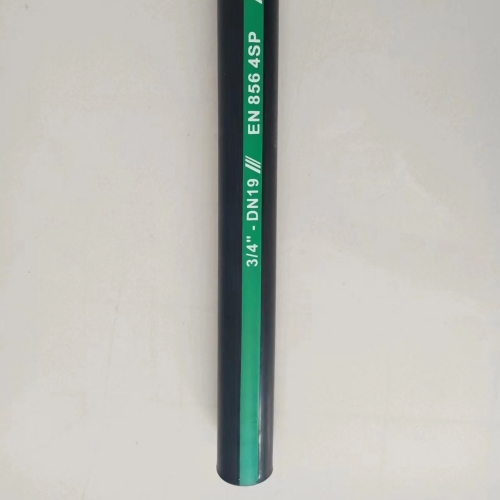
Thermoplastic hoses, particularly those supplied by OEM Parflex manufacturers, represent a critical component in fluid transfer systems across diverse industrial applications. These hoses are distinguished by their construction using thermoplastic materials—typically polymers like polyurethane, nylon, polypropylene, or PVC—extruded or molded into a hose body reinforced with textile or wire braiding. Unlike rubber hoses relying on vulcanization, thermoplastic hoses utilize solid-state polymerization, offering distinct advantages in terms of consistent material properties and reduced permeability. This guide will detail the material science, manufacturing processes, performance characteristics, potential failure modes, and relevant industry standards pertaining to OEM Parflex thermoplastic hoses, serving as a comprehensive resource for engineers, procurement professionals, and maintenance personnel. Core performance attributes include pressure resistance, chemical compatibility, temperature tolerance, and flexibility, all of which are critical parameters influencing operational efficiency and safety within their respective industrial contexts. The increasing demand for lightweight, durable, and chemically inert fluid transfer solutions positions thermoplastic hoses as a dominant technology in modern industrial infrastructure.
Material Science & Manufacturing
The foundation of a Parflex thermoplastic hose lies in the selection of appropriate thermoplastic polymers. Polyurethane (TPU) is frequently employed for its exceptional abrasion resistance, flexibility, and resistance to oils and solvents. Nylon (Polyamide) offers high tensile strength, low permeability to gases, and good chemical resistance. Polypropylene excels in applications requiring resistance to acids and alkalis, while PVC provides cost-effectiveness and versatility. Reinforcement materials further dictate hose performance. High-tensile strength textile braiding, typically composed of polyester or aramid fibers, provides burst strength and resistance to kinking. Steel wire reinforcement is utilized for applications demanding significantly higher pressure ratings and mechanical protection.
Manufacturing commences with the extrusion or molding of the thermoplastic polymer into a seamless hose tube. Critical parameters during this stage include melt temperature, die pressure, and cooling rate. Precise control of these variables is crucial to ensure dimensional accuracy, consistent wall thickness, and avoidance of defects like voids or weld lines. Subsequently, the reinforcement layer is applied, typically through a helical winding or braiding process. The reinforcement pitch and tension are carefully controlled to achieve the desired strength characteristics. Following reinforcement, an outer cover layer, often made of polyurethane or a specialized thermoplastic elastomer (TPE), is extruded to provide abrasion resistance, UV protection, and chemical compatibility. Quality control measures at each stage include dimensional inspections, pressure testing (hydrostatic and impulse testing), and material property analysis (tensile strength, elongation, hardness). Post-processing steps may include end fitting attachment via crimping, swaging, or bonding, requiring specialized equipment and adherence to stringent quality standards.

Performance & Engineering
The performance of a thermoplastic hose is governed by a complex interplay of material properties and engineering design considerations. Force analysis, including burst pressure calculations based on hoop stress principles (P = (2tS)/r, where P is pressure, t is wall thickness, S is tensile strength, and r is radius), is essential for determining safe operating limits. Environmental resistance is a key factor, especially in applications involving exposure to extreme temperatures, UV radiation, ozone, or corrosive chemicals. Thermoplastic materials are susceptible to degradation from prolonged UV exposure, leading to embrittlement and reduced mechanical properties. Similarly, certain chemicals can cause swelling, softening, or cracking of the hose material. Compliance requirements vary significantly depending on the application and region. For example, hoses used in food and beverage applications must comply with FDA regulations regarding material leachability and biocompatibility. Hoses used in hydraulic systems must meet SAE standards for pressure rating, dimensional accuracy, and fluid compatibility.
Functional implementation requires careful consideration of hose routing, bend radius, and potential for mechanical abrasion. Excessive bending can induce stress concentrations and premature failure. Proper support and guarding are necessary to prevent abrasion from contact with sharp edges or moving parts. The selection of appropriate end fittings is also critical, ensuring a secure and leak-proof connection. Furthermore, the coefficient of thermal expansion of the thermoplastic material must be accounted for in system design to prevent stress buildup during temperature fluctuations. Static dissipation requirements may also be necessary in applications where static electricity poses a hazard.
Technical Specifications
| Parameter | Polyurethane (TPU) | Nylon (Polyamide) | Polypropylene (PP) | PVC |
|---|---|---|---|---|
| Operating Pressure (PSI) | Up to 5000 | Up to 4000 | Up to 2000 | Up to 3000 |
| Temperature Range (°F) | -40 to 176 | -40 to 212 | 32 to 176 | -20 to 140 |
| Tensile Strength (PSI) | 5000 - 8000 | 7000 - 10000 | 4000 - 6000 | 4000 - 7000 |
| Elongation at Break (%) | 300 - 500 | 200 - 400 | 150 - 300 | 200 - 400 |
| Chemical Resistance | Excellent to oils, solvents, fuels | Good to oils, fuels, moderate chemicals | Excellent to acids, alkalis | Good to many chemicals, moderate oils |
| Abrasion Resistance | Excellent | Good | Moderate | Moderate |
Failure Mode & Maintenance
Thermoplastic hose failures typically fall into several categories. Fatigue cracking, initiated by repeated flexing and pressure cycling, is a common mode, particularly in applications with high vibration or dynamic loading. Delamination, the separation of layers within the hose wall, can occur due to improper bonding during manufacturing or exposure to aggressive chemicals. Degradation from UV exposure, as previously mentioned, leads to embrittlement and cracking. Oxidation, especially at elevated temperatures, can cause hardening and loss of flexibility. Chemical attack results in swelling, softening, or cracking depending on the compatibility of the hose material with the fluid being conveyed. Abrasive wear occurs from contact with abrasive materials or surfaces.
Preventative maintenance is crucial for extending hose service life. Regular visual inspections should be conducted to identify signs of cracking, abrasion, swelling, or discoloration. Pressure testing can verify the integrity of the hose. Avoid exceeding the maximum operating pressure and temperature. Proper hose routing and support minimize bending stress and abrasion. Periodic cleaning removes contaminants that could accelerate degradation. When replacing hoses, ensure the new hose is compatible with the fluid being conveyed and meets all relevant safety standards. Consider implementing a hose management program that tracks hose usage, maintenance history, and replacement schedules. Correct storage conditions (cool, dry, away from UV light) are essential for preserving hose material properties during periods of inactivity. Finally, proper installation techniques, including correct crimp settings for end fittings, are vital for preventing leaks and premature failure.
Industry FAQ
Q: What are the key differences between polyurethane and nylon thermoplastic hoses in terms of chemical compatibility?
A: Polyurethane generally exhibits superior resistance to oils, solvents, and fuels compared to nylon. Nylon offers better resistance to some specific chemicals, particularly certain ketones and esters, but is more susceptible to degradation by strong acids and bases. The specific chemical being conveyed dictates the optimal material selection.
Q: How does temperature affect the pressure rating of a thermoplastic hose?
A: Higher temperatures generally reduce the pressure rating of a thermoplastic hose. As temperature increases, the material's tensile strength and modulus of elasticity decrease, leading to a reduction in its ability to withstand internal pressure. Consult the manufacturer's specifications for derating factors at elevated temperatures.
Q: What reinforcement materials are commonly used in high-pressure thermoplastic hose applications?
A: High-pressure applications typically employ steel wire reinforcement, either single-layer or multi-layer braiding. Aramid fiber reinforcement is also used in some cases, offering a good balance of strength and weight. The number of layers and the braiding angle are critical parameters influencing burst pressure.
Q: How can I determine if a thermoplastic hose is suitable for food and beverage applications?
A: The hose must comply with relevant FDA regulations (e.g., 21 CFR 177.2600 for rubber articles intended for repeated use) and be manufactured from materials that do not leach harmful substances into the fluid. Look for hoses specifically labeled as "food grade" and verify that they have undergone appropriate testing and certification.
Q: What are the typical failure modes associated with prolonged UV exposure, and how can they be mitigated?
A: Prolonged UV exposure leads to oxidation and chain scission of the polymer, resulting in embrittlement, cracking, and reduced tensile strength. Mitigation strategies include using hoses with UV-stabilized outer covers, shielding the hose from direct sunlight, and avoiding prolonged storage in direct sunlight.
Conclusion
OEM Parflex thermoplastic hoses represent a versatile and reliable solution for a wide spectrum of fluid transfer applications. Their inherent properties – flexibility, chemical resistance, and controlled manufacturing – position them as advantageous alternatives to traditional rubber hoses in many scenarios. A thorough understanding of the material science, manufacturing processes, and performance characteristics is paramount for ensuring optimal selection and operation.
Moving forward, continued advancements in thermoplastic polymer technology and reinforcement materials will likely yield hoses with even greater performance capabilities, including enhanced temperature resistance, improved chemical compatibility, and extended service life. Implementation of robust hose management programs, coupled with adherence to industry best practices, will be crucial for maximizing the return on investment and minimizing downtime in critical industrial processes.