
Apr . 01, 2024 17:55 Back to list
oem parflex thermoplastic hose manufacturers Performance Analysis

Introduction
Thermoplastic hoses manufactured by OEM Parflex represent a critical component in fluid transfer systems across diverse industrial applications, including automotive, chemical processing, agriculture, and material handling. These hoses are characterized by their flexibility, durability, and resistance to a wide range of chemicals, temperatures, and pressures. Unlike traditional rubber hoses, thermoplastic construction eliminates the need for vulcanization, offering consistent properties and dimensional stability. The industry chain positions OEM Parflex as a key supplier to original equipment manufacturers (OEMs) who integrate these hoses into their finished products. Core performance characteristics revolve around maintaining fluid integrity, resisting permeation, ensuring burst strength, and providing long-term operational reliability in demanding environments. A primary pain point in the industry revolves around identifying hoses that meet increasingly stringent regulatory requirements regarding chemical compatibility and environmental impact.
Material Science & Manufacturing
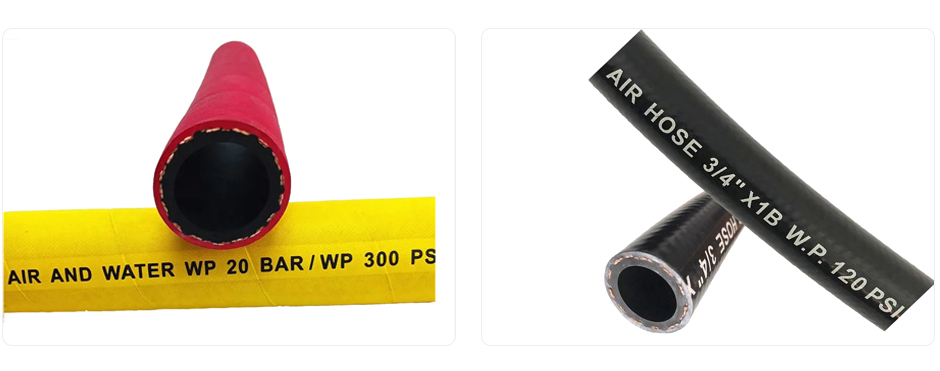
Parflex thermoplastic hoses typically utilize a multi-layer construction, with the core material commonly being polypropylene (PP), polyethylene (PE), or polyamide (Nylon). Polypropylene offers excellent chemical resistance and temperature capabilities up to approximately 80°C. Polyethylene is valued for its flexibility and lower cost, with operating temperatures generally limited to 60°C. Nylon provides superior strength and abrasion resistance but may be susceptible to hydrolysis in certain environments. Reinforcement layers, often comprised of high-tensile textile braids (polyester, aramid) or spiraled wire (steel, stainless steel), are embedded to provide pressure resistance and prevent kinking. The outer cover typically employs a thermoplastic elastomer (TPE) for UV protection and abrasion resistance. Manufacturing processes include extrusion, braiding/spiraling, and jacketing. Extrusion parameters, such as melt temperature, screw speed, and die pressure, are meticulously controlled to ensure uniform wall thickness and material density. Braiding tension and helix pitch are critical for maintaining hose integrity under pressure. Quality control involves dimensional inspections, burst pressure testing (ASTM D3915), and chemical resistance validation. Chemical compatibility is assessed based on swelling, discoloration, and tensile strength degradation after prolonged exposure to various fluids.
Performance & Engineering
The performance of a thermoplastic hose is directly linked to its ability to withstand internal pressure, external loads, and environmental stressors. Force analysis, including hoop stress calculations (Lamé's equations), is essential for determining appropriate reinforcement layer construction. Burst pressure testing simulates maximum operating conditions and validates design integrity. Environmental resistance is paramount; prolonged exposure to UV radiation can cause polymer degradation, leading to embrittlement and cracking. Temperature extremes can affect material flexibility and impact resistance. Chemical resistance is assessed through immersion testing, measuring changes in weight, volume, and mechanical properties. Compliance requirements are dictated by industry-specific regulations. For example, automotive applications may require adherence to SAE J2044 standards for fuel and coolant hoses. Food and beverage applications necessitate compliance with FDA regulations (21 CFR 177.2600) regarding food contact materials. Functional implementation involves ensuring proper hose routing, minimizing bending radii to avoid kinking, and utilizing appropriate fittings to prevent leakage and maintain structural integrity. Finite Element Analysis (FEA) is increasingly utilized to simulate hose behavior under various loading conditions and optimize design parameters.
Technical Specifications
| Material | Working Pressure (PSI) | Temperature Range (°C) | Burst Pressure (PSI) |
|---|---|---|---|
| Polypropylene (PP) | 150 | -40 to 80 | 600 |
| Polyethylene (PE) | 100 | -60 to 60 | 400 |
| Nylon (Polyamide) | 250 | -50 to 100 | 1000 |
| PVC (Polyvinyl Chloride) | 120 | -20 to 60 | 480 |
| TPU (Thermoplastic Polyurethane) | 200 | -40 to 90 | 800 |
| PVDF (Polyvinylidene Fluoride) | 300 | -40 to 150 | 1200 |
Failure Mode & Maintenance
Common failure modes in thermoplastic hoses include fatigue cracking (due to repeated flexing), permeation (leakage of fluid through the hose wall), delamination (separation of layers), degradation (chemical attack and embrittlement), and oxidation (caused by exposure to oxygen and UV radiation). Fatigue cracking is often initiated at areas of high stress concentration, such as fitting interfaces or sharp bends. Permeation is influenced by the fluid's molecular weight, the hose material's permeability, and the temperature. Delamination typically occurs when bonding between layers is compromised. Preventive maintenance is crucial for extending hose lifespan. This includes regular visual inspections for cracks, bulges, or discoloration; pressure testing to identify leaks; and proper storage to minimize UV exposure and temperature fluctuations. If cracking is detected, the hose should be replaced immediately. Avoid exposing hoses to incompatible chemicals. Clean hoses regularly with mild soap and water to remove contaminants. For hoses used in critical applications, a scheduled replacement program based on operating hours or fluid exposure is recommended. Root cause analysis of failures should be conducted to identify and address underlying issues, such as improper installation or material selection.
Industry FAQ
Q: What is the impact of chemical concentration on the lifespan of a thermoplastic hose?
A: The chemical concentration directly correlates with the rate of degradation. Higher concentrations generally lead to faster swelling, softening, or cracking of the hose material. Detailed chemical compatibility charts provided by manufacturers should be consulted, and safety factors applied when dealing with aggressive chemicals. Periodic testing of the hose material after exposure to the chemical is recommended to monitor its condition.
Q: How does temperature affect the working pressure rating of a thermoplastic hose?
A: Working pressure ratings are typically specified at a standard temperature (e.g., 23°C). As temperature increases, the material's strength decreases, reducing the safe working pressure. Derating factors, provided by the manufacturer, should be applied to adjust the working pressure based on the operating temperature. Exceeding the derated pressure can lead to premature failure.
Q: What are the key considerations when selecting a fitting for a thermoplastic hose?
A: Fittings must be compatible with the hose material and the fluid being conveyed. Material compatibility prevents corrosion and ensures a secure connection. Fitting pressure ratings must exceed the hose's working pressure. Proper crimping or clamping techniques are essential to create a leak-proof seal. Consider the fitting’s resistance to the application’s environmental conditions.
Q: What is the difference between a single-layer and multi-layer thermoplastic hose, and when would you choose one over the other?
A: Single-layer hoses are typically used for low-pressure applications with minimal chemical exposure. Multi-layer hoses offer superior pressure resistance, chemical compatibility, and permeation resistance due to the combined properties of different materials. Choose multi-layer hoses for demanding applications involving high pressures, aggressive chemicals, or critical fluid containment.
Q: How does UV exposure affect the long-term performance of thermoplastic hoses used outdoors?
A: Prolonged UV exposure can cause polymer chain scission, leading to embrittlement, cracking, and loss of flexibility. Hoses designed for outdoor use should incorporate UV stabilizers in the outer cover. Consider using opaque hoses or providing shielding to minimize UV exposure. Regular inspections are vital to identify UV-induced damage.
Conclusion
OEM Parflex thermoplastic hoses represent a robust and versatile solution for a wide spectrum of fluid transfer applications. Their inherent advantages – chemical resistance, flexibility, and dimensional stability – position them as a superior alternative to traditional rubber hoses in many scenarios. The successful implementation of these hoses hinges upon careful material selection, precise manufacturing control, and adherence to relevant industry standards.
Future advancements in thermoplastic hose technology will likely focus on developing new materials with enhanced performance characteristics, such as improved chemical resistance, higher temperature capabilities, and reduced permeation rates. Sustainable materials and manufacturing processes will also gain prominence, driven by increasing environmental concerns. Continued collaboration between OEMs and hose manufacturers is crucial for optimizing designs and addressing evolving industry needs.