
Apr . 01, 2024 17:55 Back to list
oem parflex thermoplastic hose manufacturer Performance Analysis
Introduction
Thermoplastic hoses, specifically those manufactured via OEM Parflex processes, represent a critical component in fluid transfer applications across diverse industries including agriculture, automotive, construction, and chemical processing. Unlike traditional rubber hoses, thermoplastic construction offers superior chemical resistance, reduced weight, and improved temperature performance. This guide provides an in-depth examination of thermoplastic hose technology, covering material science, manufacturing processes, performance characteristics, failure modes, and relevant industry standards. Core performance metrics center around burst pressure, kink radius, temperature range, and compatibility with transferred media. A key pain point within the industry is ensuring hose integrity and preventing catastrophic failure, particularly when handling aggressive chemicals or operating under extreme temperature and pressure conditions. OEM Parflex hoses address these concerns through precise material selection and rigorous quality control, positioning themselves as a reliable solution for demanding industrial applications.
Material Science & Manufacturing
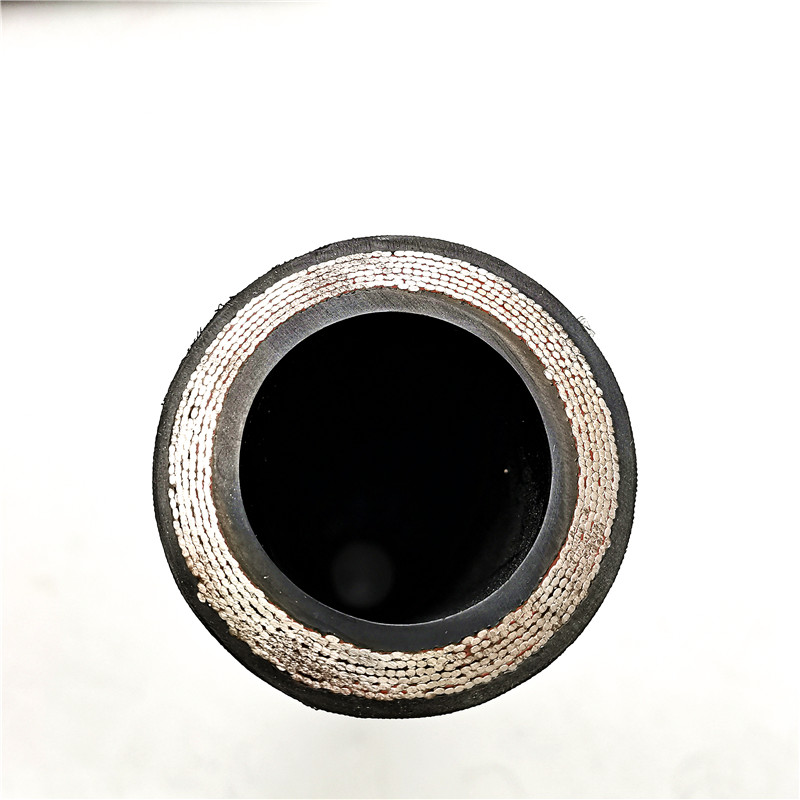
The foundation of OEM Parflex thermoplastic hoses lies in the careful selection of polymers. Commonly utilized materials include Polyvinyl Chloride (PVC), Polyethylene (PE), Polypropylene (PP), Thermoplastic Polyurethane (TPU), and Polyamide (Nylon). Each polymer offers a unique combination of properties. PVC excels in cost-effectiveness and chemical resistance to many acids and bases. PE provides flexibility and good resistance to stress cracking. PP exhibits higher temperature resistance than PE. TPU delivers superior abrasion resistance and flexibility, particularly at lower temperatures. Nylon provides excellent strength and resistance to hydrocarbons. The manufacturing process typically begins with polymer extrusion. Granular polymer is fed into an extruder where it is heated and forced through a die to create the hose tube. Reinforcement layers, crucial for pressure resistance, are then added. These layers commonly consist of textile braiding (polyester or nylon) or spiral-wound high-tensile steel wire. The braiding process involves interlacing yarns around the hose tube at a specific angle. The steel wire winding provides exceptional burst strength. Following reinforcement, an outer cover layer is extruded, providing abrasion and UV resistance. Critical parameters during manufacturing include die temperature, extrusion speed, braiding tension, and cooling rate. Precise control of these parameters is vital to ensure consistent wall thickness, proper reinforcement adhesion, and overall hose integrity. Post-extrusion, hoses undergo pressure testing to verify burst strength and leak tightness. Chemical compatibility testing is also routinely performed to validate resistance to specific fluids.
Performance & Engineering
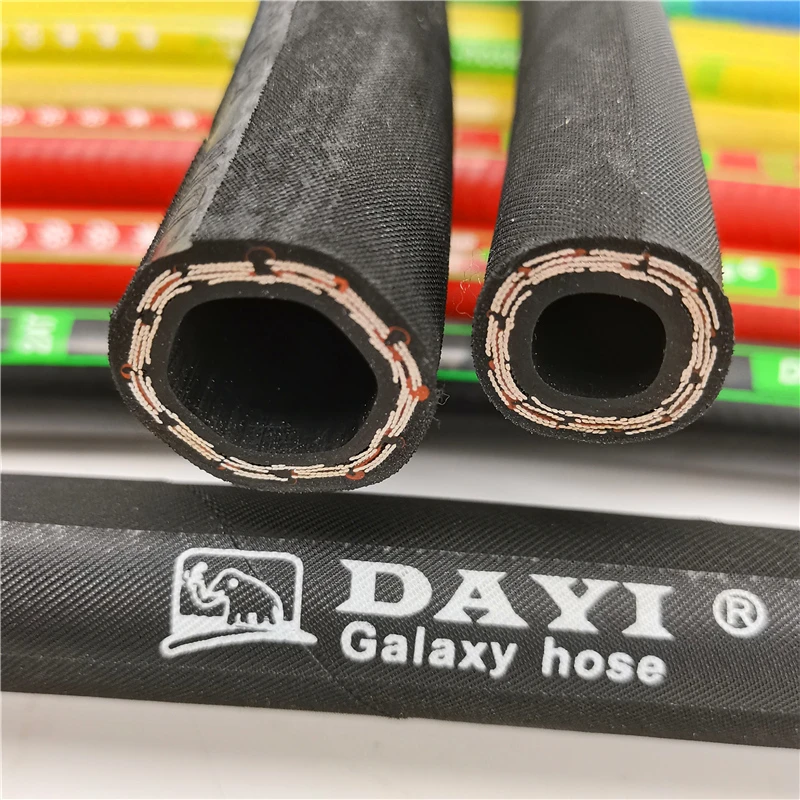
The performance of OEM Parflex thermoplastic hoses is dictated by several key engineering principles. Firstly, burst pressure is determined by the material strength of the polymer, the reinforcement layer configuration (material, braid angle, wire pitch), and hose diameter. A higher braid density or thicker steel wire generally translates to increased burst strength. Force analysis, using Hooke’s Law and principles of stress-strain relationships, is employed to predict hose behavior under pressure. Secondly, environmental resistance is critical. UV exposure can cause polymer degradation, leading to embrittlement and cracking. The outer cover material is formulated with UV stabilizers to mitigate this effect. Temperature extremes can affect polymer flexibility and strength. Thermoplastic hoses are engineered to maintain their mechanical properties within a defined temperature range, specified by the material. Chemical compatibility is paramount. Prolonged exposure to incompatible fluids can cause swelling, softening, or degradation of the hose material. OEM Parflex provides chemical resistance charts outlining compatibility with various chemicals. Kink radius is another important performance parameter. Sharp bends can restrict fluid flow and induce stress concentrations, potentially leading to failure. A larger kink radius minimizes these issues. Compliance requirements, such as those mandated by the Society of Automotive Engineers (SAE) or European standards (EN), dictate specific performance criteria for various applications. These standards cover testing procedures for burst pressure, impulse pressure, temperature resistance, and chemical compatibility.
Technical Specifications
| Parameter | PVC Hose | TPU Hose | Nylon Hose | PTFE Lined Hose |
|---|---|---|---|---|
| Operating Temperature (°C) | -20 to 60 | -40 to 90 | -30 to 80 | -70 to 260 |
| Burst Pressure (PSI) | 300 | 500 | 800 | 1000 |
| Chemical Resistance | Good to Acids/Bases | Excellent to Oils/Fuels | Good to Hydrocarbons | Universal |
| Abrasion Resistance | Moderate | Excellent | Good | Moderate |
| Flexibility | High | Very High | Moderate | Moderate |
| Wall Thickness (mm) | 2.0 | 3.0 | 2.5 | 3.5 |
Failure Mode & Maintenance
Thermoplastic hose failures commonly manifest as burst failures, pinhole leaks, or cracking. Burst failures are typically caused by exceeding the hose’s pressure rating, either through overpressure or pressure spikes. Pinhole leaks can result from abrasion, chemical attack, or material defects. Cracking can occur due to UV exposure, temperature cycling, or fatigue. A critical failure mode is fatigue cracking, which develops over time due to repeated flexing and pressure cycling. This is particularly relevant in applications involving vibrations or pulsations. Delamination, the separation of reinforcement layers from the hose tube, can occur due to inadequate adhesion or exposure to corrosive fluids. Oxidation, particularly in PP and PE hoses, can lead to embrittlement and cracking. Proper maintenance is crucial to extend hose life. Regular visual inspections should be conducted to identify signs of damage, such as cuts, abrasions, or discoloration. Hoses should be replaced immediately if any damage is detected. Avoid sharp bends and kinks, which can induce stress concentrations. Store hoses in a cool, dry place away from direct sunlight. When handling aggressive chemicals, verify compatibility and replace hoses periodically, even if no visible damage is apparent. Flush hoses with a compatible solvent after use to remove residual chemicals. Correct installation practices – avoiding twisting during connection and using appropriate fittings – are also paramount.
Industry FAQ
Q: What is the impact of chemical concentration on the lifespan of a TPU hose?
A: Chemical concentration significantly influences TPU hose lifespan. While TPU offers broad chemical resistance, higher concentrations of aggressive chemicals (strong acids, solvents) can accelerate degradation. Consult the OEM Parflex chemical resistance chart for specific compatibility data and derating factors based on concentration. More concentrated solutions often necessitate more frequent hose replacement.
Q: How does the braid angle affect the burst pressure of a reinforced thermoplastic hose?
A: The braid angle directly influences burst pressure. A steeper braid angle (closer to 90 degrees) provides greater resistance to axial stretching under pressure, resulting in a higher burst pressure. However, a steeper angle also reduces flexibility. OEM Parflex optimizes braid angle based on the specific application requirements, balancing burst strength and flexibility.
Q: What are the advantages of PTFE lining in a thermoplastic hose for high-temperature applications?
A: PTFE (Polytetrafluoroethylene) lining offers exceptional temperature resistance (up to 260°C) and chemical inertness. It's ideal for transferring highly corrosive fluids at elevated temperatures where other thermoplastic materials would degrade. However, PTFE-lined hoses are generally less flexible and more expensive than standard thermoplastic hoses.
Q: Can a thermoplastic hose be repaired if it develops a small pinhole leak?
A: Generally, repairing a thermoplastic hose with a pinhole leak is not recommended. The structural integrity of the hose is compromised, and a repair is unlikely to restore its original burst strength and reliability. Replacement is the safest and most cost-effective option to prevent catastrophic failure.
Q: What is the significance of impulse pressure rating versus burst pressure?
A: Burst pressure represents the maximum pressure the hose can withstand for a short duration. Impulse pressure rating, however, specifies the hose’s ability to withstand repeated pressure pulsations or surges without failure. Impulse pressure is typically lower than burst pressure. For applications involving pulsating fluids (e.g., hydraulic systems), the impulse pressure rating is a more critical performance parameter than burst pressure.
Conclusion
OEM Parflex thermoplastic hoses represent a sophisticated fluid transfer solution engineered for diverse and demanding industrial applications. Their performance is rooted in a combination of advanced polymer science, precise manufacturing processes, and rigorous quality control. Understanding the material properties, failure modes, and relevant industry standards is crucial for selecting the appropriate hose for a given application and ensuring long-term reliability.
The continuous evolution of thermoplastic technology, driven by demands for higher performance, improved chemical resistance, and enhanced sustainability, will likely lead to the development of new materials and manufacturing techniques. Ongoing research into advanced polymer blends and reinforcement strategies will further expand the capabilities of thermoplastic hoses, solidifying their position as a cornerstone of modern industrial infrastructure.