
Apr . 01, 2024 17:55 Back to list
oem parflex thermoplastic hose factory Performance Analysis
Introduction
Thermoplastic hoses represent a critical component in fluid transfer systems across a vast spectrum of industries, including agriculture, construction, oil & gas, and chemical processing. OEM Parflex thermoplastic hose factory specializes in the design, manufacturing, and supply of these essential products. Unlike traditional rubber hoses, thermoplastic hoses offer superior chemical resistance, reduced permeability, and lighter weight, contributing to improved efficiency and safety. Their construction relies on a combination of thermoplastic polymer extrusion, reinforcement layers (typically textile or wire braiding), and specialized fitting attachment methods. The core performance characteristics – pressure rating, temperature range, chemical compatibility, and abrasion resistance – are paramount and dictate application suitability. This guide provides a comprehensive technical overview of thermoplastic hose technology, focusing on material science, manufacturing processes, performance parameters, failure modes, and relevant industry standards, tailored to the specific expertise required by procurement managers and engineers in B2B industrial settings. A primary pain point in this industry is consistently achieving and verifying specified chemical compatibility across a wide range of process fluids. Furthermore, ensuring long-term performance and resisting degradation under extreme conditions presents a continual engineering challenge.
Material Science & Manufacturing
The foundation of thermoplastic hose performance lies in the selection of appropriate polymer materials. Commonly employed polymers include Polyvinyl Chloride (PVC), Polyurethane (PU), Polyamide (Nylon), Polypropylene (PP), and Polyethylene Terephthalate (PET). Each polymer exhibits distinct physical and chemical properties. PVC offers excellent abrasion resistance and cost-effectiveness but has limited temperature tolerance and chemical resistance to certain solvents. PU provides high flexibility, good chemical resistance, and excellent abrasion resistance, making it ideal for applications requiring dynamic bending. Polyamides (Nylon) boast high tensile strength, excellent chemical resistance, and good temperature resistance, though they are susceptible to moisture absorption, impacting dimensional stability. PP and PET provide superior chemical resistance to acids and bases, combined with good temperature resistance and mechanical strength.
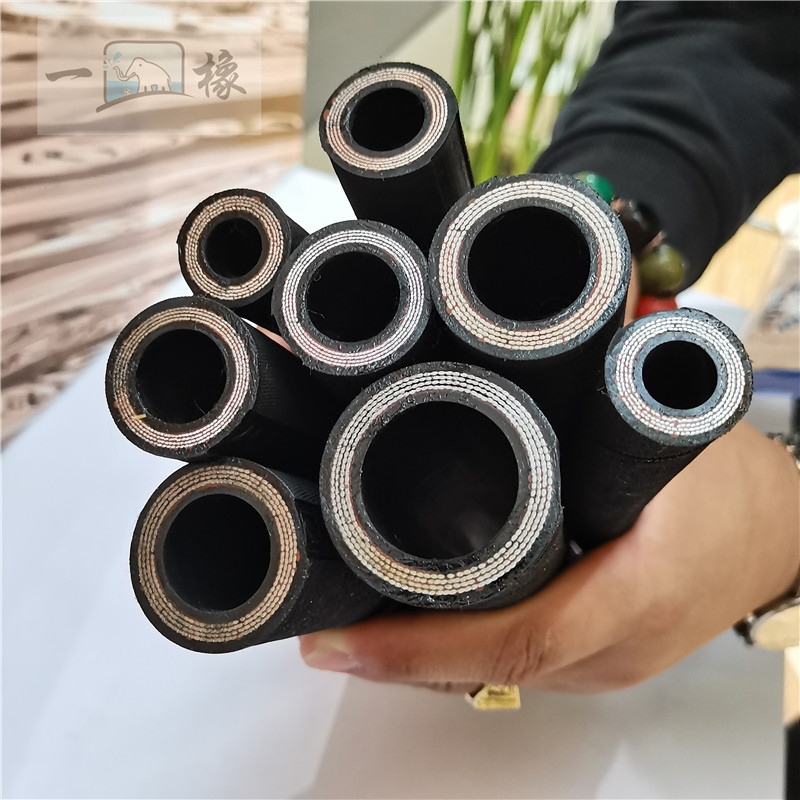
Manufacturing processes are equally critical. The extrusion process forms the inner and outer layers of the hose, controlling wall thickness and material distribution. Reinforcement layers, typically braided from high-tensile fibers like polyester or steel wire, are applied to provide burst pressure resistance. The braiding angle and yarn density are key parameters influencing performance. Fitting attachment can be achieved through various methods – crimping, swaging, or bonding – each demanding precise control to ensure a leak-proof and durable connection. Parameter control during extrusion is vital; temperature profiles, screw speed, and die geometry directly impact polymer melt flow, crystallinity, and ultimately, the hose's mechanical properties. Quality control at each stage – raw material inspection, in-process monitoring, and final product testing – is essential to maintaining consistent product quality and meeting stringent industry requirements. Specifically, control of the degree of crystallinity in semi-crystalline polymers (like PP and PET) influences their permeability and chemical resistance. Improper cooling rates can lead to voids and weak points in the hose wall.
Performance & Engineering
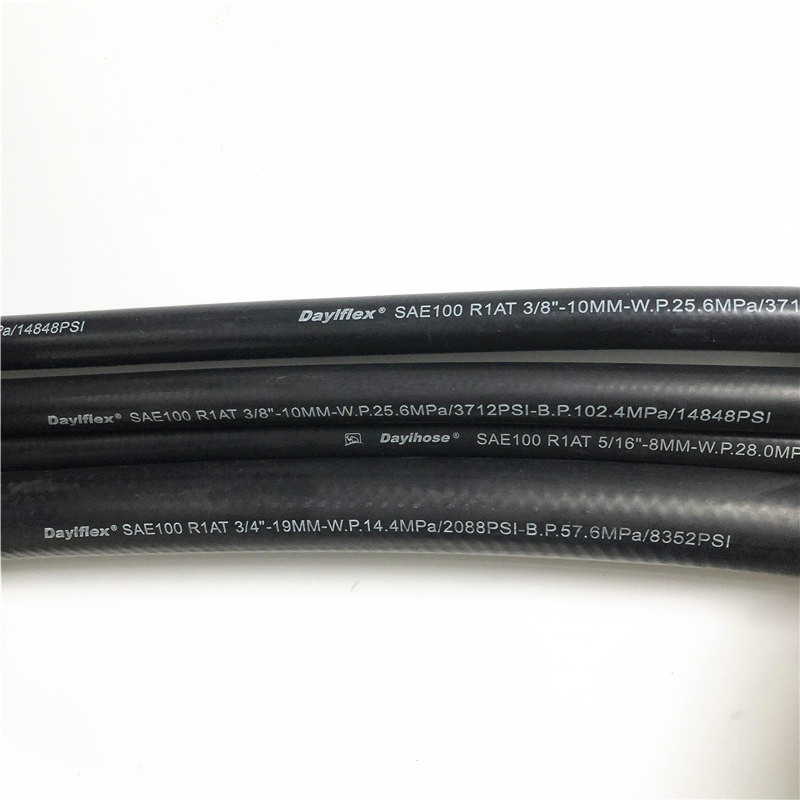
The performance of a thermoplastic hose is dictated by its ability to withstand internal pressure, external forces, and environmental stressors. Burst pressure, determined through hydrostatic testing, is a critical safety parameter, and is directly related to reinforcement layer strength and hose wall thickness. Tensile strength and elongation at break, measured using standardized testing methods, define the hose's resistance to pulling forces. Flexural modulus, indicating stiffness, is important for applications requiring specific bending radii. Environmental resistance encompasses a range of factors – temperature extremes, UV exposure, ozone exposure, and chemical attack. Long-term exposure to elevated temperatures can lead to polymer degradation and reduced mechanical properties. UV exposure can cause embrittlement and cracking. Chemical compatibility is perhaps the most complex aspect, demanding thorough testing with the specific fluids the hose will encounter. Permeability, measured as the rate of fluid diffusion through the hose wall, is critical in applications where fluid loss is unacceptable. Engineering considerations extend to fitting selection and installation. Incorrect fitting types or improper crimping can lead to leaks and premature failure. Force analysis, including stress concentration around fittings, is crucial for optimizing hose design and ensuring long-term reliability. Compliance requirements, particularly in industries like food processing and pharmaceuticals, mandate adherence to strict material and manufacturing standards (e.g., FDA compliance, USP Class VI certification).
Technical Specifications
| Parameter | PVC Hose | PU Hose | Nylon Hose | PET Hose |
|---|---|---|---|---|
| Working Pressure (PSI) | 150-300 | 200-400 | 300-500 | 400-600 |
| Temperature Range (°F) | -20 to 150 | -40 to 175 | -40 to 200 | -40 to 250 |
| Tensile Strength (PSI) | 2,000-3,000 | 3,500-4,500 | 4,000-5,000 | 5,000-6,000 |
| Chemical Resistance | Moderate | Good | Excellent | Excellent |
| Abrasion Resistance | Excellent | Very Good | Good | Good |
| Permeability (Gas) | High | Moderate | Moderate | Low |
Failure Mode & Maintenance
Thermoplastic hoses are susceptible to various failure modes, contingent upon operating conditions and material properties. Fatigue cracking, induced by repeated flexing and pressure cycling, represents a common failure mechanism. This is often initiated at stress concentration points, such as fittings or areas of localized damage. Delamination, the separation of reinforcement layers from the polymer matrix, can occur due to insufficient bonding or exposure to aggressive chemicals. Chemical degradation, resulting from incompatible fluid exposure, leads to polymer swelling, cracking, and loss of mechanical properties. Oxidation, particularly at elevated temperatures, causes embrittlement and reduces hose flexibility. Abrasion, caused by contact with abrasive surfaces, progressively wears away the outer layer, leading to reinforcement exposure and eventual failure.
Preventive maintenance is crucial for maximizing hose lifespan. Regular visual inspections should be conducted to identify signs of cracking, bulging, or abrasion. Pressure testing should be performed periodically to verify hose integrity. Proper storage conditions – protected from UV exposure, extreme temperatures, and corrosive chemicals – are essential. When handling hoses, avoid sharp bends and excessive stretching. If a hose is exposed to a chemical spill, it should be thoroughly flushed and inspected for damage. Replacement is recommended when significant wear, cracking, or loss of flexibility is detected. Implementing a hose management program, including tracking hose usage and maintenance history, can improve reliability and reduce downtime. Furthermore, selecting hoses specifically rated for the intended application, considering both chemical compatibility and operating pressure, is the most effective preventative measure.
Industry FAQ
Q: What are the key considerations when selecting a thermoplastic hose for a highly corrosive chemical application?
A: Chemical compatibility is paramount. Beyond simply stating the chemical name, specify the concentration, temperature, and duration of exposure. Request material safety data sheets (MSDS) from the hose manufacturer and rigorously compare the chemical resistance ratings. Consider permeation rates; even if a material is ‘resistant,’ fluid diffusion can occur over time. PET and certain grades of Nylon typically excel in challenging chemical environments, but thorough verification is essential.
Q: How does temperature affect the working pressure rating of a thermoplastic hose?
A: Working pressure ratings are typically specified at a standardized temperature (e.g., 73°F or 23°C). As temperature increases, the polymer softens, reducing its tensile strength and burst pressure capacity. Manufacturers provide derating factors that must be applied to the specified working pressure to account for elevated operating temperatures. Exceeding the derated pressure can lead to catastrophic failure.
Q: What are the advantages of a wire-braided reinforcement versus a textile-braided reinforcement?
A: Wire-braided reinforcement provides significantly higher burst pressure resistance compared to textile braiding. However, it’s less flexible and more susceptible to corrosion in certain environments. Textile braiding offers greater flexibility and is generally more cost-effective but has a lower pressure rating. The choice depends on the application’s pressure requirements and bending radius limitations.
Q: How can I ensure a leak-proof connection between the hose and the fitting?
A: Proper fitting selection and crimping/swaging procedures are critical. Use fittings specifically designed for thermoplastic hoses. Ensure the crimping or swaging equipment is properly calibrated and maintained. Verify the crimp dimensions according to the manufacturer’s specifications. Conduct a leak test after assembly to confirm a secure connection. Employing a high-quality sealant specifically designed for the fluid being conveyed can provide an additional layer of protection.
Q: What is the impact of UV exposure on the lifespan of a thermoplastic hose?
A: Prolonged UV exposure can cause polymer degradation, leading to embrittlement, cracking, and reduced mechanical properties. Select hoses with UV stabilizers incorporated into the polymer formulation. Where possible, shield hoses from direct sunlight. Regular inspections are essential to identify signs of UV damage, and hoses should be replaced if significant degradation is observed.
Conclusion
Thermoplastic hoses represent a versatile and reliable solution for a wide array of fluid transfer applications. Careful material selection, informed by a thorough understanding of chemical compatibility, temperature resistance, and mechanical requirements, is paramount to ensuring optimal performance and longevity. OEM Parflex thermoplastic hose factory’s commitment to stringent quality control and adherence to industry standards guarantees the delivery of high-performance products tailored to meet the demanding needs of B2B industrial customers.
Looking forward, advancements in polymer technology and reinforcement materials will continue to drive innovation in thermoplastic hose design. The development of self-healing polymers and smart hose systems with integrated sensors for leak detection and condition monitoring represents exciting future possibilities. By proactively addressing challenges related to environmental sustainability and lifecycle management, the industry can further enhance the value proposition of thermoplastic hose technology.