
Apr . 01, 2024 17:55 Back to list
oem parflex thermoplastic hose factories Performance Analysis
Introduction
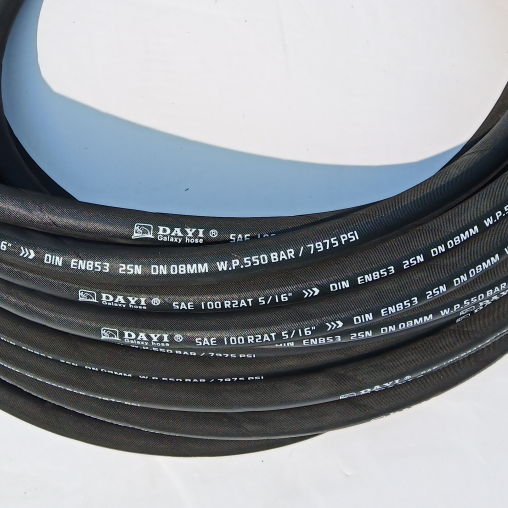
Thermoplastic hoses, particularly those manufactured by OEM Parflex hose factories, represent a critical component in fluid transfer systems across a vast spectrum of industrial applications. Unlike traditional rubber hoses, thermoplastic construction offers distinct advantages in terms of chemical resistance, temperature tolerance, and operational longevity. These hoses are not merely conduits; they are engineered solutions designed to withstand demanding conditions and ensure process integrity. The OEM market for Parflex-style hoses is characterized by stringent requirements for dimensional accuracy, material consistency, and adherence to international standards. This guide provides an in-depth technical overview of these hoses, encompassing material science, manufacturing processes, performance characteristics, potential failure modes, and relevant industry regulations. Core performance metrics include burst pressure, working pressure, chemical compatibility, and abrasion resistance, directly impacting operational efficiency and safety. A key industry pain point revolves around selecting the correct hose material and construction for specific fluid compatibility and operational temperature ranges, preventing premature failure and costly downtime.
Material Science & Manufacturing
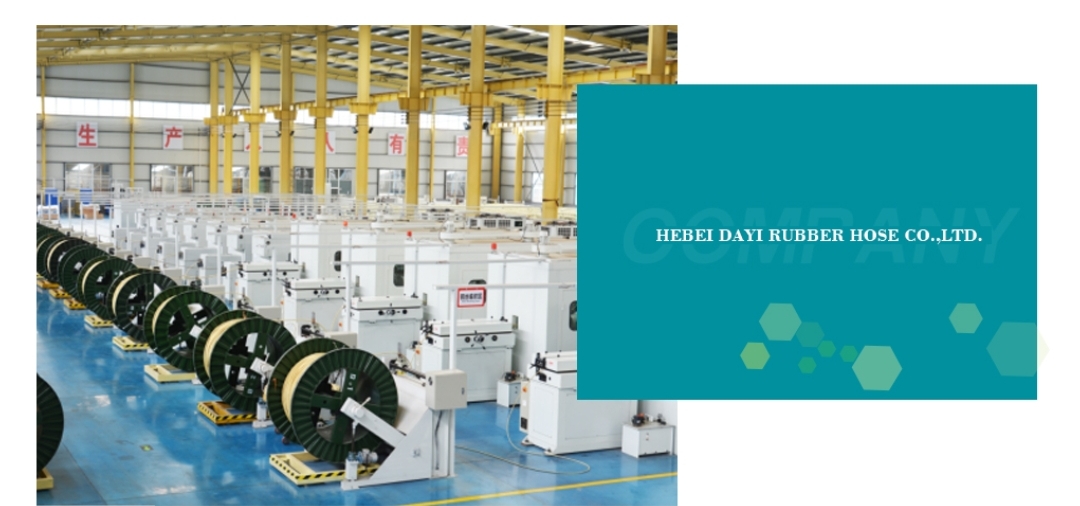
The core material for Parflex-style thermoplastic hoses is typically a blend of thermoplastic polymers, most commonly polypropylene (PP), polyethylene (PE), or polyamide (Nylon). Polypropylene offers good chemical resistance and a moderate temperature range. Polyethylene is valued for its flexibility and lower cost, making it suitable for less demanding applications. Polyamide, or Nylon, provides superior abrasion resistance and can withstand higher temperatures, but typically has lower chemical resistance compared to PP. Reinforcement is crucial; typically, high-tensile strength synthetic fibers like polyester or aramid are spirally wound or braided within the thermoplastic matrix. This reinforcement layer dictates the hose’s pressure rating and resistance to kinking and collapse. The manufacturing process generally begins with thermoplastic resin pelletizing, followed by extrusion. Extrusion parameters – temperature, screw speed, and die pressure – are meticulously controlled to ensure consistent wall thickness and material density. Post-extrusion, the reinforcement layer is applied, followed by an outer protective cover, often also thermoplastic, providing abrasion and UV resistance. Parameter control during extrusion is paramount. Variations in melt temperature impact polymer chain orientation and thus, mechanical properties. Poor adhesion between layers, often caused by inadequate surface preparation or incompatible materials, is a common manufacturing defect. Quality control relies heavily on non-destructive testing, including spark testing to detect fiber breaks and pressure testing to verify burst strength.
Performance & Engineering
The performance of a thermoplastic hose is heavily reliant on its ability to withstand internal pressure, external forces, and environmental conditions. Burst pressure is determined by the material strength and reinforcement structure, and is typically tested according to industry standards (see footer). Working pressure is significantly lower, representing a safe operating limit. Force analysis must consider not only static pressure but also dynamic stresses induced by fluid pulsation and bending. Finite element analysis (FEA) is routinely used to model stress distribution and optimize hose design. Environmental resistance is critical, particularly concerning UV exposure and chemical compatibility. Prolonged UV exposure can lead to polymer degradation, resulting in embrittlement and cracking. Chemical compatibility dictates the hose’s suitability for conveying specific fluids; incompatibility can cause swelling, softening, or even dissolution of the hose material. For example, certain solvents aggressively attack polypropylene, rendering it unsuitable. Compliance requirements, such as REACH and RoHS, restrict the use of certain hazardous substances in hose construction. The selection of appropriate fittings is equally important. Fittings must be securely crimped or swaged onto the hose, ensuring a leak-proof connection and maintaining the hose’s rated pressure. Improperly installed fittings are a common source of failure.
Technical Specifications
| Parameter | Polypropylene (PP) | Polyethylene (PE) | Polyamide (Nylon) | Typical Working Pressure (PSI) |
|---|---|---|---|---|
| Tensile Strength (MPa) | 20-40 | 10-25 | 60-80 | 150-300 |
| Temperature Range (°C) | -20 to 80 | -40 to 60 | -40 to 100 | Varies with Material |
| Chemical Resistance | Good (Acids, Alkalis) | Fair (Limited Solvents) | Poor (Many Solvents) | Dependent on Fluid |
| Abrasion Resistance | Moderate | Low | High | N/A |
| Burst Pressure (PSI) | 450-900 | 300-600 | 900-1800 | 3x Working Pressure |
| Typical Wall Thickness (mm) | 2.0-4.0 | 1.5-3.0 | 2.5-5.0 | Varies with Pressure |
Failure Mode & Maintenance
Thermoplastic hose failures typically manifest in several ways. Fatigue cracking, particularly at the bend radius or near fittings, is common, resulting from repeated flexing and stress concentration. Delamination, the separation of layers within the hose wall, occurs due to poor adhesion during manufacturing or exposure to aggressive chemicals. Degradation, caused by UV exposure or chemical attack, leads to embrittlement and loss of mechanical properties. Oxidation, particularly at elevated temperatures, can also contribute to material breakdown. Pinholes and leaks can occur due to abrasion or punctures. Preventative maintenance involves regular visual inspections for cracks, swelling, or discoloration. Hoses should be replaced if any signs of degradation are observed. Avoid sharp bends and excessive tension during installation. Proper storage is critical; hoses should be stored in a cool, dry place, away from direct sunlight and incompatible chemicals. Regular pressure testing, particularly in critical applications, can identify potential weaknesses before they lead to catastrophic failure. When dealing with chemical spills, immediate rinsing with a compatible solvent is recommended to minimize damage. A detailed failure analysis, including material testing and microscopic examination, is crucial to determine the root cause of a failure and prevent recurrence.
Industry FAQ
Q: What are the key differences between polypropylene and nylon thermoplastic hoses for industrial applications?
A: Polypropylene offers broad chemical resistance, making it suitable for many corrosive fluids, and has a moderate temperature range. However, its abrasion resistance is lower. Nylon excels in abrasion resistance and can handle higher temperatures but is susceptible to degradation by certain solvents and typically has a lower chemical resistance profile than polypropylene. The choice depends on the specific fluid and operating conditions.
Q: How does the reinforcement material impact the hose's performance?
A: The reinforcement layer, typically polyester or aramid, provides the tensile strength necessary to withstand internal pressure and prevent kinking or collapse. Higher tensile strength reinforcement allows for higher operating pressures. The type of weave (spiral or braided) also affects flexibility and burst pressure. Braided reinforcements generally offer higher burst pressures.
Q: What are the common causes of premature hose failure in chemical processing plants?
A: Chemical incompatibility is a leading cause. Using a hose material that is not resistant to the conveyed fluid results in swelling, softening, or degradation. Incorrect installation, such as improper crimping of fittings, can also lead to leaks and failures. Finally, exceeding the hose’s temperature or pressure rating contributes significantly to premature failure.
Q: What standards should be considered when specifying thermoplastic hoses for food-grade applications?
A: FDA compliance (21 CFR 177.2600) is crucial for food-grade applications, ensuring the hose material does not leach harmful substances into the food product. USP Class VI certification is also desirable, indicating biocompatibility. Additionally, NSF/ANSI 51 and 61 certifications address sanitary standards for food equipment.
Q: What is the impact of UV exposure on the lifespan of thermoplastic hoses?
A: Prolonged UV exposure can cause polymer chain scission, leading to embrittlement, cracking, and loss of mechanical properties. Hoses used outdoors or exposed to sunlight should have UV stabilizers added to the thermoplastic material or be protected with an opaque outer cover.
Conclusion
OEM Parflex thermoplastic hoses represent a sophisticated fluid transfer solution, offering a compelling combination of chemical resistance, temperature tolerance, and mechanical strength. Careful consideration of material selection, manufacturing processes, and operating conditions is paramount to ensure optimal performance and longevity. Understanding the potential failure modes and implementing preventative maintenance strategies are essential for minimizing downtime and maximizing the return on investment.
The ongoing development of new thermoplastic materials and manufacturing techniques continues to expand the capabilities of these hoses, enabling them to address increasingly demanding industrial applications. Future trends include the integration of smart sensors for real-time monitoring of hose condition and the development of more sustainable, bio-based thermoplastic materials. Continued adherence to international standards and a focus on quality control will remain critical for maintaining the integrity and reliability of these essential components.