
Apr . 01, 2024 17:55 Back to list
oem one wire braided hydraulic hose manufacturer Performance Analysis
Introduction
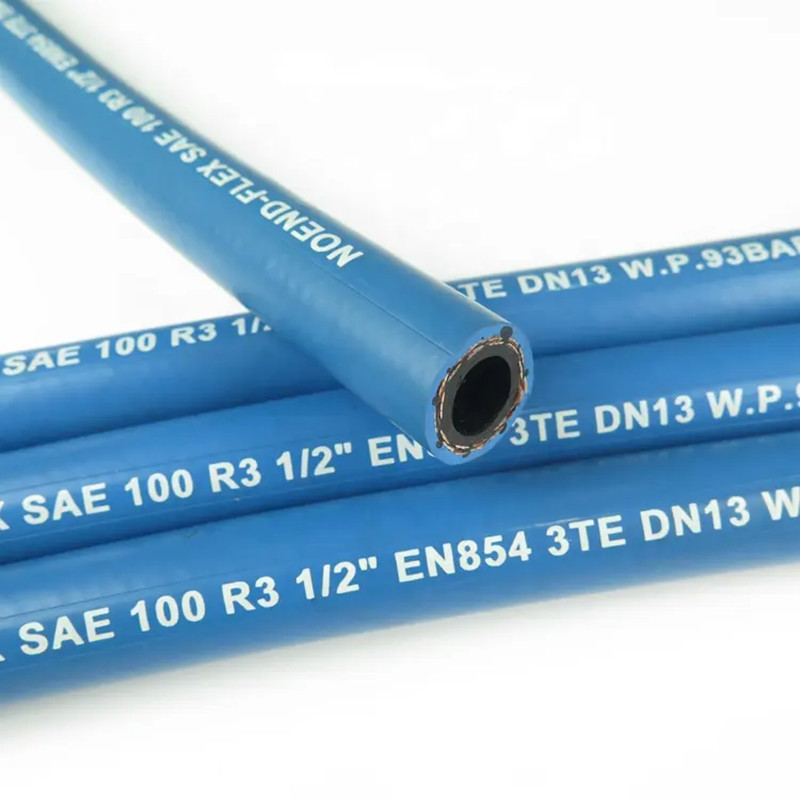
OEM one-wire braided hydraulic hose represents a critical component in fluid power systems across diverse industries including construction, agriculture, material handling, and manufacturing. Positioned as a cost-effective and reliable alternative to two-wire spiral hoses in medium-pressure applications, these hoses are defined by a single layer of high-tensile steel wire spirally wound around a synthetic rubber inner tube, covered by a durable rubber outer layer. This construction provides reinforcement against internal pressure, external damage, and operational stresses. Core performance characteristics include burst pressure, working pressure, temperature range, and fluid compatibility. The OEM market demands consistent quality, adherence to stringent specifications, and customization options to integrate seamlessly into complex machinery and equipment. Understanding the interplay between material science, manufacturing processes, and performance metrics is paramount for selecting and utilizing these hoses effectively, mitigating potential failure points and maximizing operational lifespan.
Material Science & Manufacturing
The construction of a one-wire braided hydraulic hose relies on a carefully selected combination of materials. The inner tube is typically composed of nitrile rubber (NBR) for its excellent resistance to petroleum-based fluids, water, and abrasion. Alternatives like ethylene propylene diene monomer (EPDM) rubber are employed for applications requiring resistance to heat, ozone, and weathering. The reinforcement layer utilizes high-tensile strength steel wire, conforming to standards such as SAE J517. The steel wire’s properties – tensile strength, elongation, and surface finish – are critical to the hose's burst pressure capacity and fatigue life. The outer cover is generally a blend of synthetic rubbers like chloroprene (neoprene) offering resistance to abrasion, oil, and weathering.
Manufacturing commences with the extrusion of the inner tube to precise dimensions. The steel wire is then spirally wound onto the tube using automated winding machines, maintaining consistent pitch and tension. This winding process is critical; inconsistent tension leads to localized stress concentrations and premature failure. The wound assembly is then vulcanized – a process of crosslinking the rubber compounds with sulfur or peroxide under heat and pressure – to bond the layers together and impart the desired mechanical properties. Post-vulcanization, the hose undergoes rigorous quality control checks, including burst testing, impulse testing, and dimensional verification. Key parameter control involves maintaining precise rubber compound formulations, wire tension during winding, and accurate temperature/pressure profiles during vulcanization. Proper curing ensures optimal rubber elasticity, preventing cracking and maintaining flexibility across operating temperatures. Skiving of the outer cover at the ends is performed to facilitate easy fitting installation.
Performance & Engineering
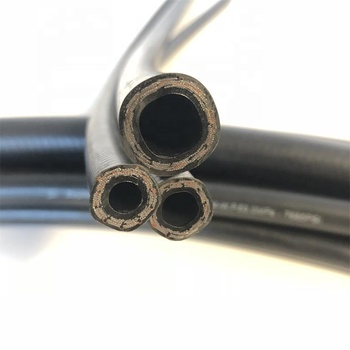
The performance of a one-wire braided hydraulic hose is fundamentally governed by its ability to withstand internal pressure, external damage, and dynamic stresses. Force analysis focuses on hoop stress within the inner tube, calculated using the Barlow formula (Stress = Pressure x Diameter / 2 x Wall Thickness). The steel wire braid provides the necessary tensile strength to counteract this hoop stress and prevent bursting. Impulse testing simulates the pulsating pressure loads experienced in hydraulic systems, evaluating the hose's fatigue resistance. The number of pressure cycles to failure determines its service life. Environmental resistance is assessed through exposure to various fluids (hydraulic oil, coolant, fuel), temperatures (-40°C to +100°C typically), and weathering conditions (UV exposure, ozone).
Compliance requirements vary by region and application. SAE J517 is a fundamental standard defining hose dimensions, working pressures, and performance characteristics. ISO 6898 details specific requirements for hydraulic hoses and fittings. OEM applications often necessitate adherence to customer-specific specifications, including fluid compatibility testing and specialized performance criteria. Engineers must consider factors such as hose bend radius (to avoid kinking and stress concentration), fitting selection (compatible materials and pressure ratings), and hose routing (avoiding abrasion and excessive heat). Proper hose assembly and installation using calibrated crimping equipment are crucial for ensuring a leak-free and reliable connection.
Technical Specifications
| Parameter | Unit | Typical Value | Testing Standard |
|---|---|---|---|
| Working Pressure | MPa | 16 | SAE J517 |
| Burst Pressure | MPa | 48 | SAE J517 |
| Temperature Range | °C | -40 to +100 | SAE J517 |
| Inner Tube Material | - | Nitrile Rubber (NBR) | ASTM D2000 |
| Reinforcement | - | Single Steel Wire Braid | SAE J517 |
| Outer Cover Material | - | Chloroprene (Neoprene) | ASTM D2000 |
Failure Mode & Maintenance
One-wire braided hydraulic hoses are susceptible to several failure modes. Fatigue cracking, originating at stress concentrations (e.g., near fittings or areas of bending), is a common issue, particularly under cyclic loading. Pinholes in the inner tube can develop due to degradation from incompatible fluids or abrasion from internal particles. External abrasion can damage the outer cover, exposing the steel wire and leading to corrosion and eventual failure. Kinking, caused by excessive bending or improper routing, can restrict flow and create localized stress. Delamination, the separation of rubber layers, occurs when bonding between the inner tube, reinforcement, and outer cover is compromised. Oxidation of the steel wire, particularly in humid environments, weakens the reinforcement and reduces burst pressure.
Preventive maintenance is crucial. Regular visual inspections should identify signs of abrasion, cracking, or swelling. Fluid analysis can detect contamination that accelerates hose degradation. Proper hose routing, avoiding sharp bends and potential abrasion points, extends service life. Implementing a hose management program, tracking hose age and usage, facilitates timely replacement. When replacing a hose, always use fittings specifically designed for one-wire braid hoses and ensure proper crimping. Avoid using hoses that are damaged or exhibit signs of wear. Store hoses in a cool, dry, and dark environment to prevent UV degradation and rubber hardening.
Industry FAQ
Q: What is the primary difference between a one-wire and two-wire braided hydraulic hose in terms of pressure capacity?
A: Generally, a two-wire braided hose offers a significantly higher pressure capacity compared to a one-wire braid hose. The additional layer of reinforcement provides greater tensile strength to withstand higher internal pressures. However, this comes at a higher cost and increased rigidity, making one-wire hoses suitable for medium-pressure applications where flexibility is a priority.
Q: How does temperature affect the performance of a nitrile rubber (NBR) inner tube?
A: NBR exhibits good performance within a temperature range of -40°C to +100°C. Exposure to temperatures outside this range can lead to hardening or softening of the rubber, reducing its elasticity and increasing the risk of cracking or leakage. Prolonged exposure to high temperatures accelerates degradation.
Q: What is the significance of impulse testing, and how does it relate to hose durability?
A: Impulse testing simulates the pulsating pressure fluctuations commonly found in hydraulic systems. It assesses the hose’s resistance to fatigue failure caused by these repetitive pressure cycles. A higher number of cycles to failure indicates greater durability and a longer service life under dynamic loading conditions.
Q: What fitting types are compatible with one-wire braided hydraulic hose, and what are the critical considerations during assembly?
A: Commonly used fittings include crimped fittings and field-attachable fittings. Crimped fittings require specialized crimping equipment and dies to ensure a secure and leak-free connection. Field-attachable fittings offer convenience but may have slightly lower pressure ratings. Critical considerations include selecting fittings with compatible materials and pressure ratings, using properly calibrated crimping equipment, and adhering to the manufacturer’s recommended crimp specifications.
Q: What are the best practices for storing hydraulic hoses to maximize their lifespan?
A: Store hoses in a cool, dry, and dark environment away from direct sunlight, ozone sources, and extreme temperatures. Avoid bending or kinking the hoses during storage. Keep hoses clean and free from contamination. For long-term storage, consider covering the hose ends to prevent internal degradation.
Conclusion
OEM one-wire braided hydraulic hoses offer a balanced solution for medium-pressure hydraulic applications, combining cost-effectiveness with reliable performance. The critical elements governing their functionality revolve around meticulous material selection – focusing on rubber compound compatibility and high-tensile steel wire – and precise manufacturing control during extrusion, winding, and vulcanization. Engineers and procurement professionals must understand the interplay of operating parameters like pressure, temperature, and fluid compatibility, alongside adherence to relevant industry standards (SAE J517, ISO 6898) to ensure optimal hose selection and lifespan.
Future developments in hydraulic hose technology will likely focus on enhancing hose durability through advanced materials (e.g., high-strength alloys, thermoplastic composites) and innovative construction techniques. Implementing predictive maintenance strategies, utilizing sensor technology to monitor hose condition in real-time, will also play a significant role in minimizing downtime and maximizing operational efficiency. Continuous improvement in quality control processes and a commitment to stringent testing protocols will remain paramount for maintaining the reliability and safety of these critical components.