
Apr . 01, 2024 17:55 Back to list
oem one wire braided high pressure hydraulic hose suppliers Performance Analysis
Introduction
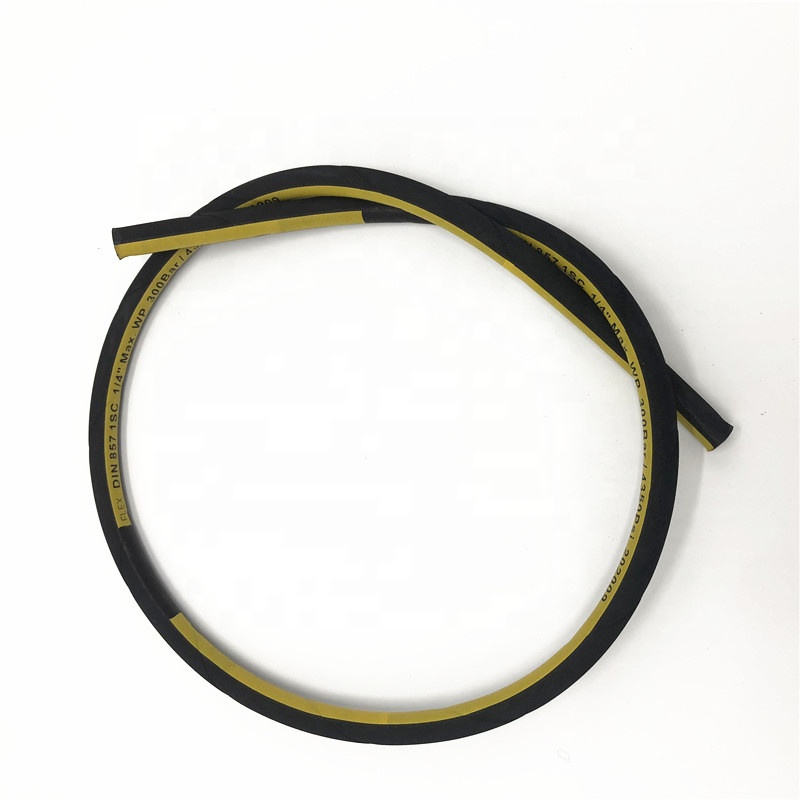
OEM one wire braided high pressure hydraulic hose suppliers represent a critical component within the broader fluid power industry. These hoses are engineered to transmit hydraulic fluid under significant pressure, serving as the circulatory system for a vast array of heavy machinery and industrial applications. Positioned between the hydraulic pump and actuators (cylinders, motors, valves), they facilitate power transmission in construction equipment, agricultural machinery, material handling systems, and numerous manufacturing processes. Core performance characteristics include pressure rating, temperature resistance, fluid compatibility, and burst strength. The key pain point for end-users lies in ensuring consistent reliability and safety, particularly concerning hose failure resulting in downtime, environmental hazards (fluid leaks), and potential personnel injury. OEM suppliers play a vital role in mitigating these risks through rigorous quality control, adherence to industry standards, and providing hoses specifically tailored to application requirements. The increasing demand for higher operating pressures in modern hydraulic systems necessitates continuous advancements in hose construction and materials.
Material Science & Manufacturing
The construction of a one-wire braided high pressure hydraulic hose typically involves four key layers: the inner tube, reinforcement, outer cover, and occasionally, an intermediate layer for specific applications. The inner tube, frequently composed of synthetic rubbers like nitrile (NBR), chloroprene (CR), or ethylene propylene diene monomer (EPDM), determines fluid compatibility. NBR offers excellent resistance to petroleum-based fluids, CR provides robustness against ozone and weathering, and EPDM excels in phosphate ester hydraulic fluid compatibility. The single wire braid, usually high-tensile steel wire, provides the primary pressure containment. Steel wire selection is critical; factors such as tensile strength, yield strength, and surface finish directly impact hose performance. Manufacturing involves precisely winding the steel wire around a mandrel, followed by vulcanization with the inner and outer rubber layers. Precise control of temperature, pressure, and curing time during vulcanization is paramount to achieve optimal bonding between layers and desired physical properties. Outer covers are typically made from abrasion and weather-resistant rubbers like CR or polyurethane. Key manufacturing parameters include wire tension during braiding, rubber compound mixing ratios, mandrel dimensional accuracy, and consistent vulcanization protocols. Chemical compatibility assessments, including immersion testing and swelling analysis, are crucial to validate material selections against the intended fluid media. Post-production testing includes hydrostatic pressure testing, impulse testing, and dimensional verification to ensure compliance with specifications.
Performance & Engineering
The performance of one-wire braided hydraulic hoses is fundamentally governed by force analysis under pressure. Hoop stress within the inner tube and tensile stress in the wire braid are the primary factors. The steel wire braid resists the expansive force of the pressurized fluid, preventing hose rupture. Hose selection must account for working pressure, pressure spikes (surge pressures), and temperature variations. Higher temperatures reduce rubber elasticity and increase susceptibility to degradation, while lower temperatures can reduce flexibility and impact resistance. Environmental resistance is another crucial aspect. Exposure to ozone, UV radiation, and extreme weather conditions can degrade the outer cover, leading to cracking and eventual failure. Compliance with industry standards (detailed in the footer) mandates specific performance testing. Burst pressure testing confirms the hose’s ultimate strength, while impulse testing assesses its ability to withstand repeated pressure pulsations without failure. Bend radius is also critical. Exceeding the minimum bend radius induces stress concentrations in the hose wall, accelerating fatigue and increasing the risk of cracking. Proper hose routing and support are essential to prevent abrasion, kinking, and excessive flexing. Finite Element Analysis (FEA) is increasingly used during the design phase to optimize hose geometry and material selection for specific application loads and environmental conditions. Understanding fluid velocity and its impact on erosion of the inner tube is also an important engineering consideration.
Technical Specifications
| Parameter | Unit | Typical Value (SAE 100R1AT Equivalent) | Testing Standard |
|---|---|---|---|
| Working Pressure | MPa | 20.7 | SAE J517 |
| Burst Pressure | MPa | 82.7 | SAE J517 |
| Temperature Range | °C | -40 to +100 | SAE J517 |
| Inner Tube Material | - | Nitrile Rubber (NBR) | ASTM D2000 |
| Reinforcement | - | Single Steel Wire Braid | SAE J517 |
| Outer Cover Material | - | Chloroprene Rubber (CR) | ASTM D2000 |
Failure Mode & Maintenance
Common failure modes in one-wire braided hydraulic hoses include burst failure due to exceeding pressure limits, fatigue cracking resulting from repeated bending and flexing, pinhole leaks caused by abrasion or corrosion, and degradation of rubber components due to heat, ozone, or chemical exposure. Burst failures are often catastrophic, stemming from wire breakage or delamination of the reinforcement. Fatigue cracking typically initiates at stress concentration points, such as hose fittings or areas subject to abrasion. Pinhole leaks can develop due to localized wear of the inner tube. Oxidation and UV degradation cause the outer cover to become brittle and crack, compromising its protective function. Maintenance strategies include regular visual inspections for signs of wear, cracking, or leaks. Hose routing should be optimized to minimize bending and abrasion. Proper fluid maintenance and filtration are critical to prevent internal contamination and erosion. Avoid exceeding the manufacturer's recommended working pressure and temperature limits. Fittings should be inspected for proper tightening and corrosion. When replacing a hose, ensure the new hose has the correct specifications (pressure rating, size, fluid compatibility) for the application. Implement a preventative maintenance schedule based on operating hours or calendar intervals. Failure analysis, including microscopic examination of fracture surfaces, can help identify the root cause of failures and prevent recurrence.
Industry FAQ
Q: What is the impact of surge pressure on hose life?
A: Surge pressure, or pressure spikes, significantly reduces hose life. These transient pressure events create dynamic stress on the hose wall, accelerating fatigue and potentially leading to premature failure. Implementing surge suppressors or accumulators in the hydraulic system can mitigate this impact. Selecting a hose with a higher pressure rating than the normal working pressure provides a margin of safety.
Q: How does fluid compatibility affect hose selection?
A: Fluid compatibility is paramount. Using a hose with an incompatible inner tube material can lead to swelling, softening, or degradation of the rubber, resulting in leaks and failure. Always verify that the hose’s inner tube material is compatible with the hydraulic fluid being used. Refer to chemical resistance charts provided by hose manufacturers.
Q: What is the best practice for hose routing to minimize stress?
A: Avoid sharp bends, kinking, and abrasion. Maintain a bend radius at least equal to the hose’s minimum bend radius specification. Use hose guards or clamps to protect hoses from abrasion against other components. Ensure hoses are properly supported to prevent sagging and excessive flexing.
Q: What are the common causes of hose fitting failure?
A: Common causes include improper tightening, corrosion, and damage to the fitting threads. Use a calibrated torque wrench to tighten fittings to the manufacturer's specified torque. Regularly inspect fittings for signs of corrosion and replace them as needed. Use appropriate sealant to prevent leaks.
Q: How often should hydraulic hoses be inspected and replaced?
A: Inspection frequency depends on the severity of the application. A visual inspection should be performed at least annually, and more frequently in demanding applications. Replace hoses if they show any signs of damage, such as cracks, abrasions, swelling, or leaks. Consider implementing a scheduled replacement program based on operating hours or calendar intervals.
Conclusion
OEM one wire braided high pressure hydraulic hoses are fundamental components in countless industrial applications, and their reliable performance is critical for operational safety and efficiency. A comprehensive understanding of material science, manufacturing processes, and engineering principles is essential for selecting and maintaining these hoses effectively. Failure to consider factors like pressure rating, temperature resistance, fluid compatibility, and environmental conditions can lead to premature failure, resulting in costly downtime and potential hazards.
The trend towards higher operating pressures and more demanding applications necessitates continued innovation in hose design and materials. Adherence to relevant industry standards and implementation of robust preventative maintenance programs are crucial for ensuring the long-term reliability and safety of hydraulic systems. Collaboration between hose suppliers, equipment manufacturers, and end-users is vital for optimizing hose performance and minimizing the risk of failure.