
Apr . 01, 2024 17:55 Back to list
oem one wire braided high pressure hydraulic hose manufacturers Performance Analysis
Introduction
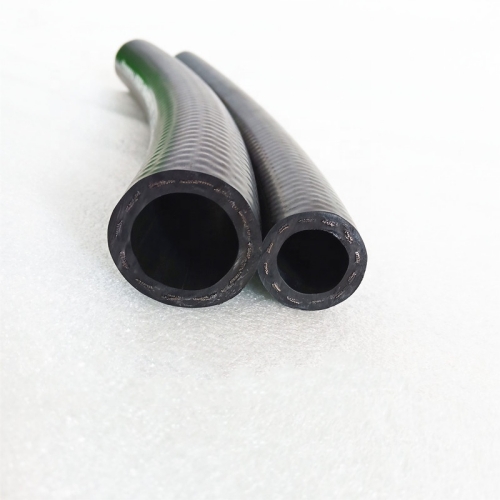
OEM one wire braided high pressure hydraulic hose represents a critical component in fluid power systems across a diverse range of industries, including construction, agriculture, manufacturing, and oil & gas. Positioned between the fluid reservoir and actuators (cylinders, motors), these hoses are responsible for the safe and efficient transmission of hydraulic fluid, typically at pressures ranging from 3000 psi to over 6000 psi. Their construction, utilizing a single layer of high-tensile steel wire braiding over a robust synthetic rubber inner tube and outer cover, provides both flexibility and the necessary burst strength to withstand demanding operational conditions. The ‘OEM’ designation indicates that these hoses are often manufactured to specific customer specifications, accommodating unique port configurations, lengths, and fluid compatibility requirements. Core performance attributes include pressure capacity, temperature resistance, impulse performance (withstanding pressure pulsations), and resistance to chemical attack from the conveyed fluids and the external environment. Failure in these components can lead to costly downtime, environmental hazards, and potential safety risks, making robust design, quality control, and adherence to industry standards paramount.
Material Science & Manufacturing
The construction of one wire braided high pressure hydraulic hose relies on a synergy of materials science and precision manufacturing. The inner tube is typically composed of a synthetic rubber compound, commonly nitrile rubber (NBR) for oil-based hydraulic fluids, or ethylene propylene diene monomer (EPDM) for phosphate ester fluids. NBR offers excellent abrasion resistance and oil compatibility, while EPDM provides superior heat and weather resistance. The reinforcement layer consists of a single spiral of high-tensile steel wire, with a minimum tensile strength typically exceeding 2000 MPa. The wire’s surface treatment is crucial; galvanization or other coatings prevent corrosion and ensure adhesion to the surrounding rubber compounds. The outer cover is usually a synthetic rubber blend (often a combination of SBR and NBR) formulated to resist abrasion, ozone, UV radiation, and oil exposure. Manufacturing begins with extrusion of the inner tube. The steel wire is then spirally wound onto the extruded tube. This assembly is then vulcanized – a chemical process involving heat and pressure that crosslinks the rubber polymers, bonding the reinforcement layer and creating a unified structure. Key process parameters include temperature control (critical for achieving optimal crosslinking density), pressure maintenance (ensuring complete bonding), and cooling rate (preventing dimensional distortions). Post-vulcanization, hoses undergo stringent testing for dimensional accuracy, pressure resistance, and leak tightness. Adhesion between the rubber and steel is validated via peel tests, and the hose is subjected to hydraulic pressure testing exceeding its working pressure. The quality of the raw materials (rubber polymers, steel wire, and chemical additives) and precise control of the vulcanization process are paramount to hose performance and longevity.
Performance & Engineering
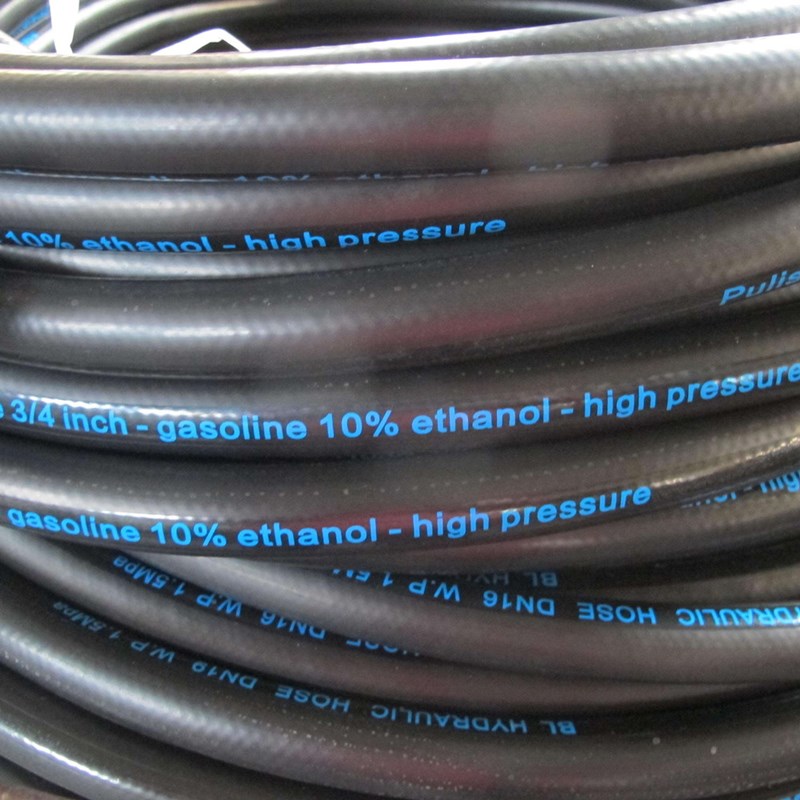
The performance of one wire braided hydraulic hose is dictated by several critical engineering considerations. Force analysis under pressure is fundamental: Hoop stress within the inner tube and axial stress in the steel wire braiding must be carefully calculated to ensure the hose can withstand the rated working pressure with an adequate safety factor (typically 4:1). The hose's bend radius is also critical. Excessively tight bends induce stress concentrations in the steel wire, potentially leading to fatigue failure. Manufacturers specify a minimum bend radius to mitigate this risk. Environmental resistance is another crucial factor. Exposure to extreme temperatures (both high and low) can affect the rubber's flexibility and degrade its mechanical properties. Chemical compatibility is equally important; the hose material must be resistant to the specific hydraulic fluid being used, as well as any external chemicals it may encounter. Impulse performance, the ability to withstand pressure pulsations, is often a significant design challenge. These pulsations can generate fatigue stresses in the hose construction. To enhance impulse resistance, some designs incorporate a “shock absorber” layer between the reinforcement and the inner tube. Compliance requirements, such as those outlined by SAE International (J517, J518), dictate minimum performance standards for pressure ratings, temperature ranges, and burst pressures. Finite element analysis (FEA) is frequently employed during the design phase to optimize hose geometry and material selection for specific applications, ensuring robust performance and minimizing the risk of failure.
Technical Specifications
| Parameter | Unit | Typical Value (NBR Inner Tube) | Typical Value (EPDM Inner Tube) |
|---|---|---|---|
| Working Pressure | psi | 4000 | 3500 |
| Burst Pressure | psi | 16000 | 14000 |
| Temperature Range | °F | -40 to +212 | -40 to +250 |
| Inner Tube Material | - | Nitrile Rubber (NBR) | Ethylene Propylene Diene Monomer (EPDM) |
| Reinforcement | - | Single Wire Spiral – High Tensile Steel | Single Wire Spiral – High Tensile Steel |
| Outer Cover Material | - | Synthetic Rubber Blend (SBR/NBR) | Synthetic Rubber Blend (SBR/NBR) |
Failure Mode & Maintenance
One wire braided hydraulic hoses are susceptible to several failure modes, requiring diligent maintenance to ensure operational reliability. Fatigue cracking, particularly in the steel wire reinforcement, is a common failure mechanism resulting from repeated pressure pulsations and bending. This often initiates at areas of high stress concentration, such as near the hose ends. Abrasion from external sources (rubbing against machinery or abrasive surfaces) can compromise the outer cover, exposing the reinforcement to corrosion. Oil degradation and incompatibility can lead to swelling, cracking, and loss of flexibility in the inner tube. Internal corrosion can occur if moisture penetrates the hose and reacts with the steel wire. Improper installation, such as exceeding the minimum bend radius or overtightening fittings, can induce stress and accelerate failure. To mitigate these risks, regular visual inspections are crucial. Look for cracks, abrasions, blisters, or leaks. Hoses should be replaced immediately if any damage is detected. Proper routing and support are essential to prevent excessive bending and abrasion. Regular fluid analysis can identify contaminants or degradation products that may indicate a need for fluid replacement or hose replacement. Fittings should be inspected for corrosion and proper torque. Avoid exceeding the hose’s rated working pressure and temperature limits. A preventative maintenance schedule, based on operating hours and environmental conditions, is highly recommended. When replacing hoses, always use compatible fittings and follow the manufacturer's installation guidelines.
Industry FAQ
Q: What is the difference between one-wire and two-wire braided hose, and when would I choose one over the other?
A: One-wire braided hose is typically used for lower-to-medium pressure applications (up to around 4000-5000 psi), offering good flexibility and cost-effectiveness. Two-wire braided hose provides significantly higher pressure capacity (up to 6000 psi or higher) and improved impulse performance, but is generally less flexible and more expensive. Choose one-wire for applications where flexibility is paramount and pressure requirements are moderate, and two-wire for high-pressure, high-impulse applications where rigidity is acceptable.
Q: How important is the hose end fitting material in terms of compatibility?
A: Extremely important. The fitting material must be compatible with both the hose material and the hydraulic fluid being used. Incompatible materials can lead to corrosion, swelling, or degradation, compromising the integrity of the connection and potentially causing leaks or failures. Common fitting materials include carbon steel, stainless steel, and brass, each suited for specific fluid types and operating environments.
Q: What is the impact of using the wrong hydraulic fluid on hose life?
A: Using the wrong hydraulic fluid can dramatically shorten hose life. Incompatible fluids can cause the inner tube to swell, soften, or crack. They can also attack the reinforcement layer, leading to corrosion. Always consult the hose manufacturer’s specifications to ensure compatibility with the intended fluid.
Q: How does temperature affect the performance and lifespan of a hydraulic hose?
A: Extreme temperatures – both high and low – can significantly impact hose performance. High temperatures can cause the rubber to degrade, lose flexibility, and potentially crack. Low temperatures can reduce flexibility and increase the risk of cracking upon bending. Operating outside the hose's specified temperature range will accelerate wear and reduce its lifespan.
Q: What are the key considerations when specifying a hose for a high-impulse application?
A: For high-impulse applications, several factors are critical. Consider a hose with a construction specifically designed for impulse resistance, such as a multi-spiral reinforcement or an internal anti-shock layer. Specify a hose with a sufficient safety factor for the anticipated pressure pulsations. Ensure proper hose routing and support to minimize vibration and stress. Regular inspection for signs of fatigue or damage is also essential.
Conclusion
OEM one wire braided high pressure hydraulic hose serves as a foundational component in countless hydraulic systems, demanding a robust design and meticulous manufacturing process to ensure reliability and safety. The interplay of material selection, particularly the rubber compounds and steel wire reinforcement, coupled with precise control of the vulcanization process, dictates the hose’s performance characteristics, including pressure capacity, temperature resistance, and impulse durability. Understanding the potential failure modes – fatigue cracking, abrasion, and chemical attack – is crucial for implementing effective preventative maintenance strategies.
Adherence to relevant industry standards, such as those established by SAE International, is not merely a regulatory requirement but a cornerstone of ensuring product quality and minimizing operational risks. As hydraulic systems become increasingly complex and operate in more demanding environments, ongoing innovation in hose design and materials will be essential to meet evolving performance expectations and extend service life, ultimately reducing downtime and enhancing overall system efficiency.