
Apr . 01, 2024 17:55 Back to list
oem one wire braided high pressure hydraulic hose manufacturer Performance Analysis
Introduction
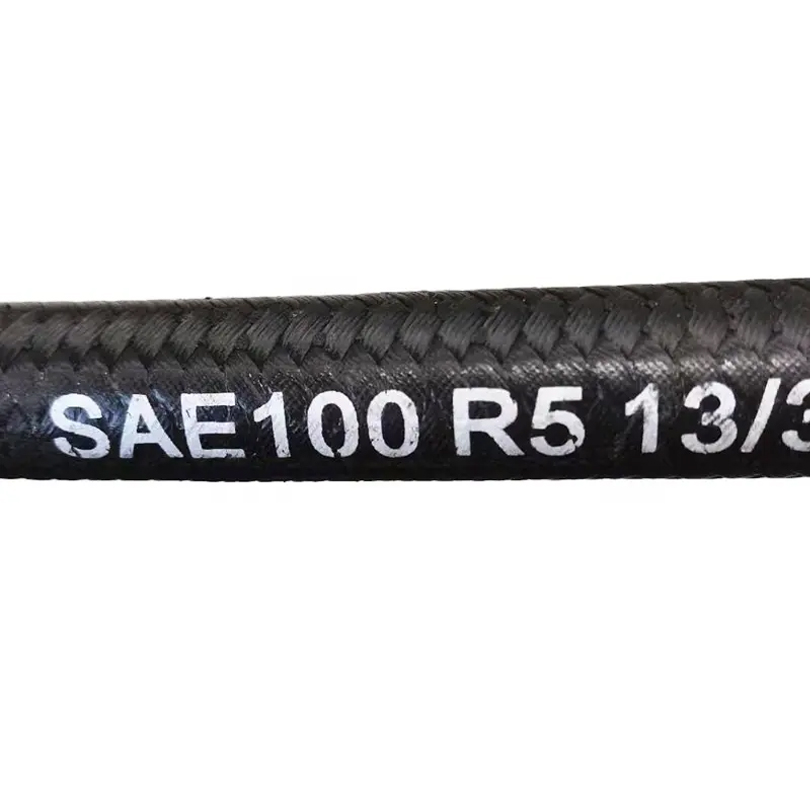
OEM one wire braided high-pressure hydraulic hoses represent a critical component in fluid power systems across a wide range of industries, including construction, agriculture, material handling, and manufacturing. These hoses are engineered to safely transmit hydraulic fluid under substantial pressure, facilitating the operation of heavy machinery and critical industrial processes. Their construction, featuring a single layer of high-tensile steel wire reinforcement embedded within a robust rubber matrix, balances flexibility with pressure-withstanding capability. This guide provides an in-depth technical overview of these hoses, covering material science, manufacturing processes, performance characteristics, failure modes, and relevant industry standards. A key industry pain point lies in ensuring long-term reliability and resistance to degradation in harsh operating environments, demanding a comprehensive understanding of material selection and construction techniques. The focus here is on delivering technical expertise to procurement managers, engineers, and maintenance personnel involved in the specification, integration, and long-term management of these critical hydraulic components.
Material Science & Manufacturing
The core materials utilized in the manufacture of one wire braided high-pressure hydraulic hoses are carefully selected for their specific properties. The inner tube, which directly contacts the hydraulic fluid, is typically composed of synthetic rubber compounds, most commonly nitrile rubber (NBR) due to its excellent resistance to petroleum-based fluids, abrasion, and heat. Alternatives include ethylene propylene diene monomer (EPDM) for phosphate ester fluids and fluorocarbon elastomers (FKM/Viton) for extreme temperature and chemical resistance applications. The reinforcement layer consists of high-tensile strength steel wire, typically drawn from carbon steel and surface treated to improve adhesion to the surrounding rubber layers and enhance corrosion resistance. The outer cover is generally constructed from chloroprene rubber (CR) – also known as neoprene – providing excellent resistance to ozone, weathering, and abrasion. Manufacturing begins with the extrusion of the inner tube to the specified dimensions. The steel wire is then spirally wound around the extruded tube, ensuring consistent pitch and coverage. This is followed by the application of bonding agents to both the wire and the tube surface to promote adhesion. A second extrusion process encapsulates the wire reinforcement with the outer cover. Critical parameters during manufacturing include wire tension, helix angle, rubber compound viscosity, and curing temperature/time. Precise control of these parameters is essential to achieve the desired pressure rating, flexibility, and dimensional stability. Post-curing processes, including dimensional inspection and hydraulic pressure testing, are employed to ensure product quality and compliance with specifications. The steel wire undergoes a galvanization process before braiding to enhance corrosion resistance.
Performance & Engineering
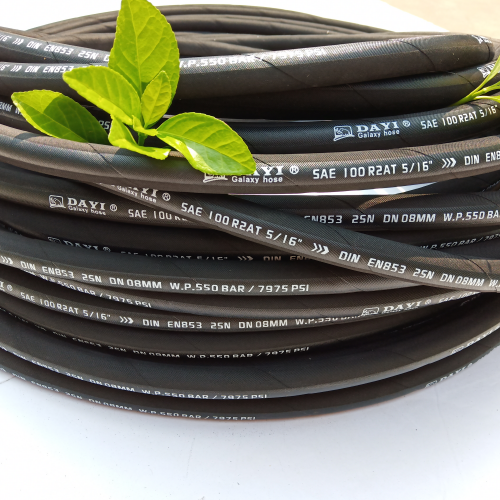
The performance of a one wire braided hydraulic hose is fundamentally governed by its ability to withstand internal pressure without failure. This is directly related to the tensile strength of the steel wire reinforcement and the bonding integrity between the wire, inner tube, and outer cover. Force analysis reveals that the hoop stress in the hose wall increases linearly with internal pressure and is inversely proportional to the hose diameter. The single wire braid provides radial containment, resisting expansion under pressure. Burst pressure, typically specified as a multiple of the working pressure (e.g., 4:1 safety factor), is a critical performance parameter. Beyond pressure resistance, flexibility is essential for ease of installation and routing within machinery. The helix angle of the wire braid directly influences flexibility; a shallower angle results in greater flexibility but reduced pressure capacity. Environmental resistance is another crucial aspect. Prolonged exposure to elevated temperatures, UV radiation, ozone, and corrosive fluids can degrade the rubber compounds, leading to reduced mechanical properties and eventual failure. Compliance requirements vary by industry and region. For example, SAE J517 standards define the performance requirements for hydraulic hoses used in mobile machinery, while EN 856 standards cover similar applications in Europe. Hose end fitting selection is critical; improper fitting selection or installation can create stress concentrations and significantly reduce hose life. The compatibility of the hose materials with the hydraulic fluid is paramount to prevent swelling, softening, or degradation of the rubber compounds, compromising the hose’s integrity.
Technical Specifications
| Parameter | Unit | Typical Value (SAE 100R1AT Equivalent) | Testing Standard |
|---|---|---|---|
| Working Pressure | MPa | 20.7 | SAE J517 |
| Burst Pressure | MPa | 82.7 | SAE J517 |
| Temperature Range | °C | -40 to +100 | SAE J517 |
| Inner Tube Material | - | Nitrile Rubber (NBR) | ASTM D2000 |
| Reinforcement | - | Single Wire Braid (High-Tensile Steel) | ASTM A938 |
| Outer Cover Material | - | Chloroprene Rubber (CR) | ASTM D2000 |
Failure Mode & Maintenance
Failure modes in one wire braided hydraulic hoses are diverse and often interconnected. Fatigue cracking, initiated by repeated flexing and pressure cycling, is a common failure mechanism, particularly near hose ends or at points of high stress concentration. Delamination, the separation of the rubber layers from the wire reinforcement, typically results from poor bonding or exposure to aggressive fluids. Rubber degradation, caused by oxidation, ozone attack, and exposure to high temperatures, leads to loss of elasticity and cracking. Abrasion damage to the outer cover can expose the wire braid to corrosion. Internal abrasion, due to fluid contaminants or improper fluid velocity, can erode the inner tube. Corrosion of the steel wire, especially in humid environments or with incompatible fluids, weakens the reinforcement and reduces pressure capacity. Proper maintenance is crucial to extend hose life. This includes regular visual inspections for signs of damage (cracks, abrasions, swelling), checking for leaks, and ensuring correct fluid compatibility. Hose routing should avoid sharp bends and direct contact with hot surfaces or abrasive materials. Pressure surges should be minimized through the use of accumulators or pressure relief valves. Periodic fluid analysis can identify contaminants that may accelerate hose degradation. Replacement should occur at the end of the hose’s service life, or upon detection of any significant damage or performance degradation. Correct installation techniques, using properly torqued fittings, are vital in preventing premature failure.
Industry FAQ
Q: What is the impact of hose length on working pressure?
A: As hose length increases, the permissible working pressure typically decreases. This is due to increased frictional losses within the hose and greater susceptibility to vibration and fatigue. Longer hoses require a lower working pressure to maintain the same flow rate and minimize stress on the hose components. Manufacturers often provide derating charts to adjust the working pressure based on hose length.
Q: How does fluid temperature affect hose performance?
A: Elevated fluid temperatures can significantly reduce the service life of hydraulic hoses. Higher temperatures accelerate rubber degradation, leading to loss of elasticity and increased susceptibility to cracking. Conversely, very low temperatures can cause rubber to become brittle and less flexible. It is crucial to select a hose with a temperature rating that exceeds the maximum operating temperature of the hydraulic fluid.
Q: What are the best practices for storing hydraulic hoses?
A: Hydraulic hoses should be stored in a cool, dry, and dark environment, away from direct sunlight, ozone sources, and heat. Hoses should be coiled loosely and supported to prevent kinking or distortion. Avoid storing hoses in contact with sharp objects or abrasive surfaces. It’s best to store them in their original packaging if possible.
Q: What are the key considerations when selecting hose fittings?
A: Hose fittings must be compatible with the hose type, fluid type, and operating pressure. The fitting material should be corrosion-resistant and compatible with the hose reinforcement material. Proper fitting crimping is essential to ensure a secure and leak-free connection. Incorrect fitting selection or installation can create stress concentrations and significantly reduce hose life.
Q: What is the significance of the SAE 100R1AT standard?
A: SAE 100R1AT is a widely recognized standard for one wire braided hydraulic hoses. It defines the performance requirements for pressure, temperature, and fluid compatibility, ensuring a minimum level of quality and reliability. Hoses certified to meet this standard have undergone rigorous testing and are considered suitable for a wide range of industrial applications.
Conclusion
OEM one wire braided high-pressure hydraulic hoses are essential components requiring careful consideration of material science, manufacturing processes, and operating conditions. Understanding the interplay between pressure, temperature, fluid compatibility, and mechanical stress is crucial for ensuring long-term reliability and preventing catastrophic failures. Proper selection, installation, and maintenance practices are paramount to maximizing hose life and minimizing downtime.
Future advancements in hydraulic hose technology will likely focus on the development of new rubber compounds with improved temperature and chemical resistance, as well as the incorporation of smart sensing capabilities for real-time monitoring of hose condition. Continued adherence to established industry standards, such as those defined by SAE and EN, remains essential for maintaining product quality and safety. Investing in high-quality hoses and implementing a robust maintenance program will yield significant long-term benefits in terms of reduced operational costs and improved system performance.