
Apr . 01, 2024 17:55 Back to list
oem one wire braided high pressure hydraulic hose factory Performance Analysis
Introduction
OEM one wire braided high-pressure hydraulic hoses represent a critical component in fluid power systems across a multitude of industries, including construction, agriculture, mining, and manufacturing. These hoses are engineered to transmit hydraulic fluid under extreme pressure, facilitating the operation of heavy machinery and critical equipment. Unlike earlier hose constructions relying solely on rubber reinforcement, the single wire braid provides a significant enhancement in pressure capability and burst strength while maintaining flexibility. This guide provides an in-depth technical overview of these hoses, covering material science, manufacturing processes, performance characteristics, failure modes, and relevant industry standards. A key pain point in the industry revolves around maintaining consistent quality and achieving reliable performance under demanding operating conditions, particularly regarding resistance to fatigue, abrasion, and chemical attack. OEM manufacturers increasingly demand detailed documentation and rigorous testing to ensure compliance and minimize downtime. Core performance is defined by working pressure, burst pressure, impulse rating, and temperature range.
Material Science & Manufacturing
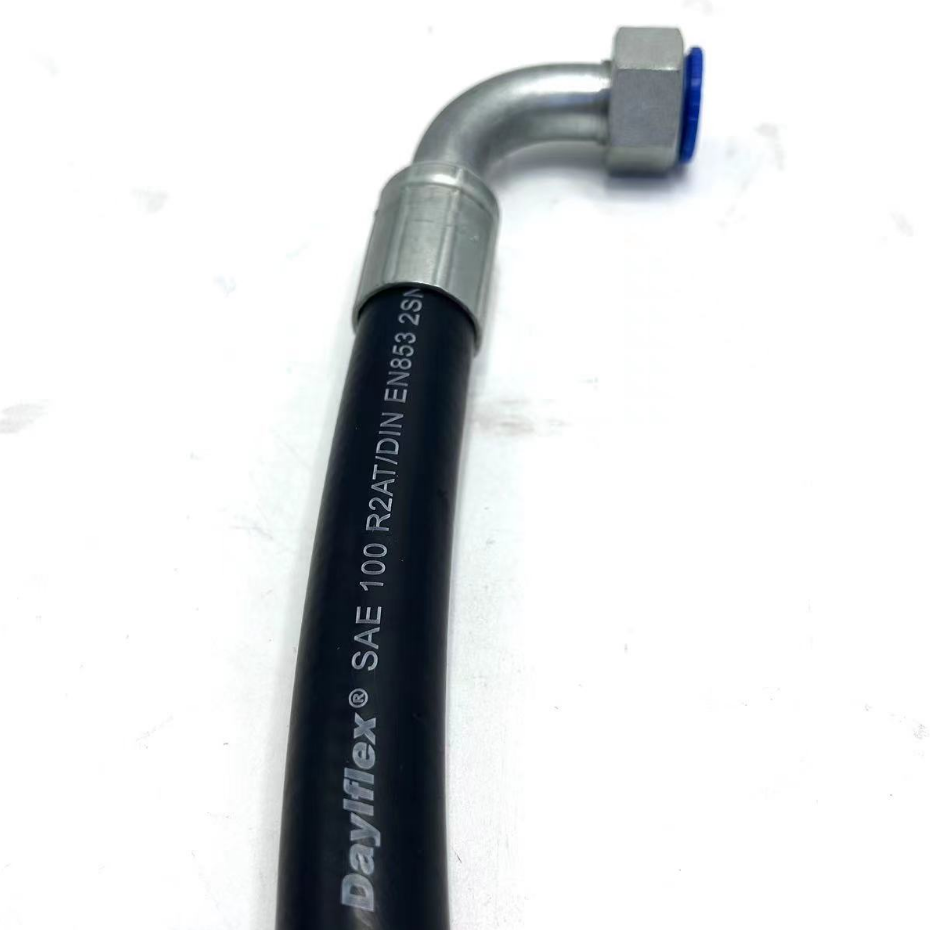
The construction of a one wire braided high-pressure hydraulic hose is multi-layered, each component contributing to its overall performance. The innermost layer, the tube, is typically composed of a synthetic rubber compound such as nitrile (NBR), chloroprene (CR), or ethylene propylene diene monomer (EPDM). NBR offers excellent resistance to petroleum-based hydraulic fluids, CR exhibits superior weathering and ozone resistance, and EPDM provides excellent high-temperature resistance. The selection of tube material is dictated by the intended fluid compatibility and operating temperature. The reinforcement layer consists of a single braid of high-strength steel wire. The wire is typically carbon steel, although stainless steel is used in corrosive environments. The wire’s tensile strength and ductility are critical parameters; higher tensile strength provides greater burst resistance, while ductility allows for flexibility. The outer cover is generally a synthetic rubber compound, often a blend of CR and NBR, providing abrasion resistance, weathering protection, and oil resistance. Manufacturing begins with extruding the inner tube. The steel wire braid is then spirally wound around the tube, using a high-speed braiding machine. Precise control of braid angle and tension is vital to ensure uniform reinforcement and prevent hose distortion. Finally, the outer cover is extruded over the braid. Key parameters controlled during manufacturing include rubber compound mixing ratios, extrusion temperatures, braid tension, and vulcanization time and temperature. Vulcanization, or curing, is the process of crosslinking the rubber molecules to achieve the desired physical properties. Improper vulcanization can lead to reduced strength, elasticity, and fluid resistance.
Performance & Engineering
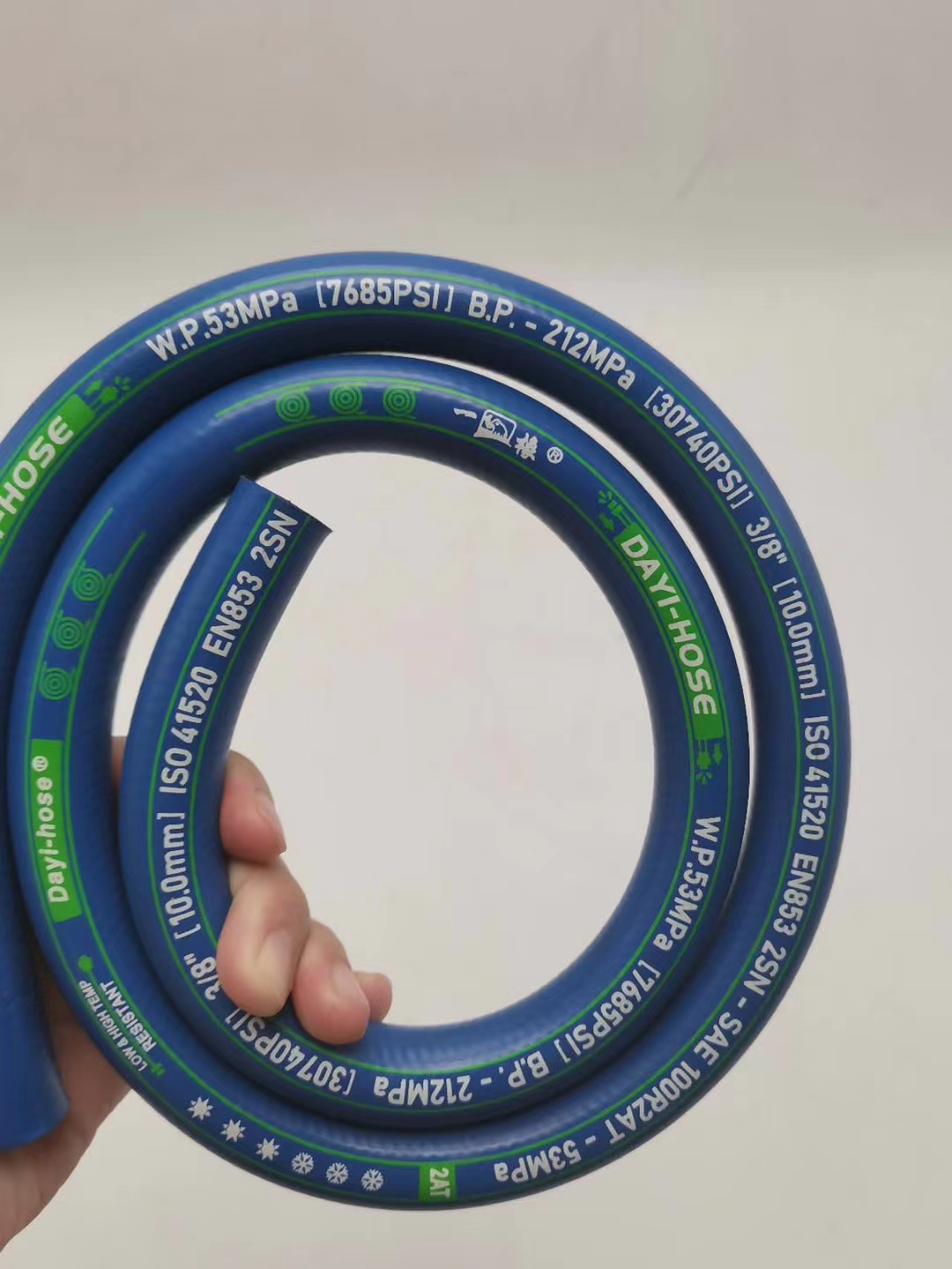
The performance of a one wire braided hydraulic hose is governed by several key engineering principles. Force analysis involves calculating the hoop stress within the hose wall due to internal pressure. This stress is directly proportional to the internal pressure and the hose’s inner diameter, and inversely proportional to the hose wall thickness. The steel braid significantly reduces this stress, preventing hose rupture. Environmental resistance is a critical consideration. Exposure to extreme temperatures, UV radiation, ozone, and hydraulic fluids can degrade the rubber compounds, reducing their flexibility and strength. The choice of rubber compound must align with the anticipated operating environment. Hydraulic hoses are subjected to pulsating pressures, known as impulse loads. These loads can cause fatigue failure over time. The impulse rating of a hose indicates its ability to withstand repeated pressure cycles without failure. Compliance requirements, such as those stipulated by SAE J517 and EN 856, mandate specific testing procedures to verify hose performance and safety. Functional implementation dictates that the hose must be capable of bending and flexing without kinking or collapsing, even under pressure. The bend radius is a critical parameter, and exceeding the recommended bend radius can lead to premature failure. Proper hose routing and support are essential to minimize stress and prolong service life. Considerations regarding fluid compatibility are paramount, ensuring the hose material is resistant to chemical degradation from the hydraulic fluid itself and any potential contaminants.
Technical Specifications
| Parameter | Unit | Typical Value (NBR Tube, Steel Braid, CR Cover) | Testing Standard |
|---|---|---|---|
| Working Pressure | MPa | 20 | SAE J517/EN 856 |
| Burst Pressure | MPa | 80 | SAE J517/EN 856 |
| Impulse Cycles | Cycles | 100,000 | SAE J517/EN 856 |
| Temperature Range | °C | -40 to +100 | SAE J517/EN 856 |
| Inner Diameter | mm | 19 | Dimensional Tolerance per SAE J517 |
| Outer Diameter | mm | 27 | Dimensional Tolerance per SAE J517 |
Failure Mode & Maintenance
One wire braided hydraulic hoses are susceptible to several failure modes. Fatigue cracking is a common issue, particularly in applications with high-frequency pressure pulsations. This occurs when the steel braid experiences repeated stress cycles, leading to crack initiation and propagation. Delamination, the separation of the rubber layers, can occur due to poor bonding between the tube, braid, and cover. This can be exacerbated by exposure to aggressive fluids or extreme temperatures. Degradation of the rubber compounds, caused by oxidation, UV exposure, and chemical attack, can reduce their elasticity and strength. Oxidation leads to hardening and cracking, while UV exposure causes surface deterioration. Abrasion, caused by rubbing against other components, can wear away the outer cover, exposing the braid to corrosion. Corrosion of the steel braid, particularly in the presence of moisture and chlorides, can significantly reduce its strength and lead to failure. Maintenance procedures include regular visual inspections for signs of wear, cracking, or swelling. Hose routing should be optimized to minimize bending and abrasion. Proper fluid maintenance, including filtration and regular fluid changes, is essential to prevent contamination and chemical degradation. Hoses should be replaced at recommended intervals, even if no visible signs of damage are present. When replacing hoses, ensure that the new hose has the same or higher pressure rating and temperature range as the original.
Industry FAQ
Q: What is the impact of varying hydraulic fluid types on hose lifespan?
A: Different hydraulic fluids possess varying chemical compositions and compatibility levels with hose materials. Using a fluid incompatible with the hose tube can cause swelling, softening, or cracking of the rubber, leading to premature failure. For example, phosphate ester fluids require specialized hose constructions due to their aggressive chemical properties. Regularly verifying fluid compatibility with the hose manufacturer’s specifications is vital.
Q: How does the braid angle affect hose flexibility and pressure rating?
A: A steeper braid angle generally results in a higher pressure rating due to increased reinforcement. However, a steeper angle also reduces hose flexibility. Manufacturers balance these two factors to achieve the desired performance characteristics. The ideal braid angle is typically between 55 and 70 degrees.
Q: What testing procedures are used to verify impulse performance?
A: Impulse testing typically involves subjecting the hose to repeated pressure cycles at a specified frequency and amplitude. The hose is visually inspected for signs of damage after each cycle, and the number of cycles to failure is recorded. SAE J517 and EN 856 outline specific impulse testing procedures.
Q: Can a damaged hose cover be repaired, or should the hose be replaced?
A: Minor abrasions to the cover may be acceptable if they do not penetrate the braid. However, any damage that exposes the steel braid significantly compromises the hose’s integrity and requires immediate replacement. Attempting to repair a severely damaged hose is unsafe and can lead to catastrophic failure.
Q: What is the role of skiving in hose end termination?
A: Skiving removes a portion of the cover and reinforcement layers, allowing the hose end fitting to grip both the tube and reinforcement layer, creating a secure and leak-proof connection. Proper skiving is crucial for ensuring the integrity of the hose assembly and preventing fitting blow-off under pressure.
Conclusion
OEM one wire braided high-pressure hydraulic hoses are essential components in numerous industrial applications, demanding careful consideration of material selection, manufacturing processes, and operating conditions. The single wire braid construction offers a robust and reliable solution for transmitting hydraulic power, providing superior pressure capability and durability compared to earlier designs. Understanding the potential failure modes and implementing preventative maintenance procedures are critical for maximizing hose lifespan and ensuring system safety.
Looking ahead, advancements in material science, such as the development of new rubber compounds with enhanced chemical resistance and abrasion resistance, will further improve the performance and longevity of these hoses. Furthermore, the increasing adoption of digital monitoring technologies will enable real-time assessment of hose condition, facilitating proactive maintenance and minimizing the risk of unexpected failures. Careful attention to international standards and rigorous quality control are paramount for OEM manufacturers and end-users alike.