
Apr . 01, 2024 17:55 Back to list
oem one wire braided high pressure hydraulic hose factories Performance Analysis
Introduction
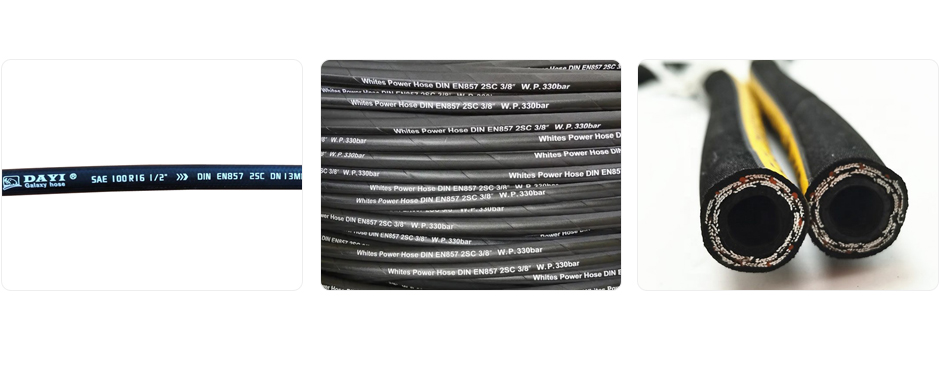
OEM one wire braided high pressure hydraulic hose constitutes a critical component in fluid power systems across diverse industries including construction, agriculture, mining, and manufacturing. These hoses are engineered to transmit hydraulic fluid under substantial pressure, facilitating the operation of heavy machinery and essential equipment. Positioned within the industrial chain between hose manufacturers and original equipment manufacturers (OEMs), they represent a significant value-add, requiring stringent quality control and adherence to international safety standards. Core performance characteristics revolve around burst pressure, working pressure, temperature resistance, and fluid compatibility, dictating the hose’s suitability for specific applications. A key challenge for OEMs lies in sourcing reliable, consistent hoses that meet precise specifications and minimize downtime due to failure. This guide provides an in-depth examination of the material science, manufacturing processes, performance parameters, potential failure modes, and maintenance protocols associated with these crucial components.
Material Science & Manufacturing
The construction of a one wire braided high pressure hydraulic hose involves several key material considerations. The inner tube is typically composed of oil-resistant synthetic rubber compounds – commonly nitrile (NBR), ethylene propylene diene monomer (EPDM), or chloroprene rubber (CR) – selected based on the specific fluid being conveyed and the operating temperature range. NBR offers excellent resistance to petroleum-based fluids, EPDM excels in phosphate ester hydraulic fluids and high-temperature applications, while CR provides good resistance to weathering and ozone. The reinforcement layer, critical to withstanding high pressure, consists of a single spiral of high-tensile steel wire, typically conforming to standards like SAE J517. The wire's tensile strength and yield strength are paramount, influencing the hose’s burst pressure capability. An outer cover, usually made of a synthetic rubber such as polyurethane or neoprene, provides abrasion resistance, weathering protection, and chemical compatibility.
The manufacturing process begins with the extrusion of the inner tube to the desired dimensions and wall thickness. Precise control of the rubber compound’s temperature and screw speed during extrusion is vital to ensure uniform thickness and eliminate voids. The steel wire is then spirally wound around the extruded tube using specialized machinery. Maintaining consistent wire tension and pitch is essential for achieving uniform pressure distribution. Following wire application, the outer cover is extruded over the reinforcement layer. Post-extrusion, hoses undergo a curing process (vulcanization) utilizing heat and pressure to crosslink the rubber compounds, enhancing their elasticity, strength, and resistance to degradation. Critical parameters monitored during curing include temperature, pressure, and time. Finally, hoses are subjected to rigorous quality control checks, including dimensional inspection, burst pressure testing, and leak testing, as per industry standards. Parameter control during manufacturing, particularly extrusion temperatures, curing times and wire tension, directly impacts the hose’s long-term performance and reliability.
Performance & Engineering
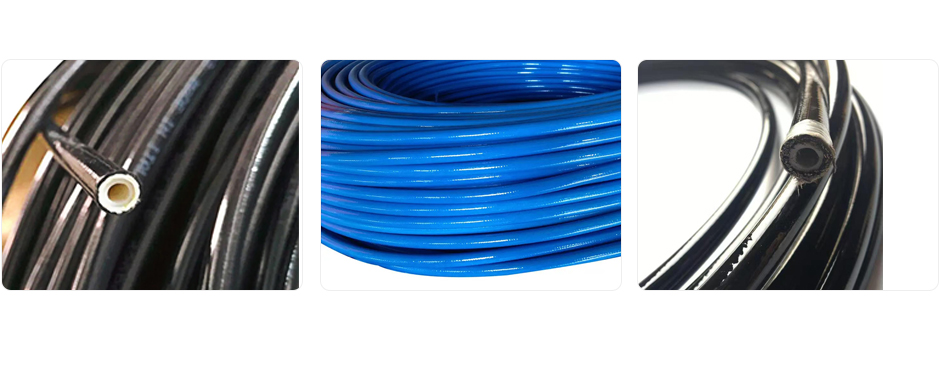
The performance of a one wire braided hydraulic hose is governed by several engineering principles. Burst pressure, the maximum pressure the hose can withstand before rupture, is a primary performance metric. This is directly correlated to the tensile strength of the steel wire reinforcement and the adhesion between the wire and the rubber compounds. Working pressure, typically defined as 50-75% of the burst pressure, represents the safe operating pressure for continuous use. Fatigue resistance, the ability to withstand repeated pressure cycles, is another critical factor, influenced by the hose’s material properties and the amplitude of the pressure fluctuations.
Environmental resistance is also paramount. Exposure to extreme temperatures, UV radiation, and corrosive chemicals can degrade the rubber compounds, reducing the hose’s flexibility and increasing the risk of failure. Hose bend radius is a key engineering consideration; exceeding the minimum bend radius can cause kinking and localized stress concentration, leading to premature failure. Fluid compatibility is equally important; incompatible fluids can cause swelling, softening, or chemical degradation of the inner tube. Compliance requirements, dictated by standards like SAE J518 and EN 856, mandate specific performance criteria and testing procedures. Force analysis during operation considers both internal pressure forces acting radially on the hose wall, and external bending forces applied during installation and use. These forces dictate material selection and hose design to ensure long-term structural integrity.
Technical Specifications
| Parameter | Unit | Typical Value | Testing Standard |
|---|---|---|---|
| Working Pressure | MPa | 20-35 | SAE J518 |
| Burst Pressure | MPa | 60-105 | SAE J518 |
| Temperature Range | °C | -40 to +100 | SAE J518 |
| Inner Tube Material | - | NBR, EPDM, CR | ASTM D2000 |
| Reinforcement | - | High-Tensile Steel Wire | SAE J517 |
| Outer Cover Material | - | Polyurethane, Neoprene | ASTM D2000 |
Failure Mode & Maintenance
One wire braided hydraulic hoses are susceptible to several failure modes in practical applications. Fatigue cracking, often initiated at the wire-rubber interface, occurs due to repeated pressure cycling and bending. This is exacerbated by exceeding the hose’s bend radius or operating beyond its pressure limits. Abrasion of the outer cover, caused by contact with abrasive surfaces, can expose the reinforcement layer to corrosion, leading to wire rusting and eventual failure. Delamination, the separation of the rubber layers, can occur due to poor adhesion during manufacturing or chemical attack. Oxidation of the rubber compounds, particularly at elevated temperatures, can cause hardening and cracking, reducing the hose’s flexibility and strength.
Preventative maintenance is crucial for extending hose life and preventing catastrophic failures. Regular visual inspections should be conducted to check for signs of abrasion, cracking, swelling, or leaks. Hoses should be replaced if any damage is detected. Proper installation practices, including adhering to the minimum bend radius and avoiding sharp twists, are essential. Protecting hoses from exposure to extreme temperatures, UV radiation, and corrosive chemicals can significantly prolong their service life. Regularly monitoring system pressure and ensuring it remains within the hose’s working pressure limits is also critical. Implementing a scheduled hose replacement program based on operating conditions and hours of use is a proactive approach to minimizing downtime and ensuring safety. In the event of a hose failure, a thorough failure analysis should be conducted to identify the root cause and prevent recurrence.
Industry FAQ
Q: What is the impact of fluid velocity on the lifespan of a one wire braided hose?
A: Higher fluid velocity increases the frictional heating within the hose, potentially accelerating the degradation of the inner tube material and increasing the risk of fatigue failure. Moreover, high velocities can contribute to erosion of the inner tube, especially with fluids containing abrasive particles. Therefore, it’s crucial to select a hose with an appropriate internal diameter to maintain fluid velocity within acceptable limits.
Q: How does the type of steel wire used in the reinforcement layer affect burst pressure and fatigue life?
A: Higher tensile strength steel wire directly translates to a higher burst pressure capability. However, the wire's ductility and fatigue strength are equally important for long-term performance. Wires with greater ductility are more resistant to cracking under repeated stress cycles, improving fatigue life. The manufacturing process of the wire itself (e.g., drawing, heat treatment) significantly impacts its mechanical properties.
Q: What are the common causes of hose kinking and how can it be prevented?
A: Kinking occurs when the hose is bent beyond its minimum bend radius, causing internal collapse and localized stress concentration. It can also be caused by improper hose routing or insufficient support. Prevention involves ensuring the hose is installed with the correct bend radius, providing adequate support along its length, and avoiding sharp turns or obstructions.
Q: How important is proper coupling selection and installation for hose reliability?
A: Coupling selection and installation are critical. Using incompatible couplings can lead to leaks or premature failure. Improper crimping can damage the hose reinforcement or create stress concentrations. Couplings must be compatible with the hose material and the fluid being conveyed. Proper crimping requires specialized equipment and trained personnel to ensure a secure, leak-free connection.
Q: What are the implications of using a hose rated for a lower temperature range than the application requires?
A: Using a hose outside its specified temperature range can lead to premature degradation of the rubber compounds, reducing its flexibility and strength. At high temperatures, the rubber can soften and swell, while at low temperatures, it can become brittle and crack. This significantly increases the risk of failure and reduces the hose’s overall lifespan.
Conclusion
OEM one wire braided high pressure hydraulic hoses are vital components demanding careful consideration of material science, manufacturing precision, and performance characteristics. Understanding the interplay between hose construction, operating conditions, and potential failure modes is crucial for ensuring reliable and safe operation of hydraulic systems. Selecting the correct hose for a specific application, adhering to proper installation practices, and implementing a preventative maintenance program are essential for maximizing hose lifespan and minimizing downtime.
Continued advancements in rubber compounding, wire reinforcement technology, and non-destructive testing methods promise to further enhance the performance and durability of these critical components. Future developments may focus on developing more environmentally friendly rubber compounds, reducing hose weight without sacrificing strength, and incorporating sensor technology for real-time monitoring of hose condition and predicting potential failures. Ultimately, a holistic approach encompassing design, manufacturing, and maintenance is paramount for achieving optimal performance and reliability.