
Apr . 01, 2024 17:55 Back to list
oem one fiber braid hydraulic hose manufacturers Performance Analysis
Introduction
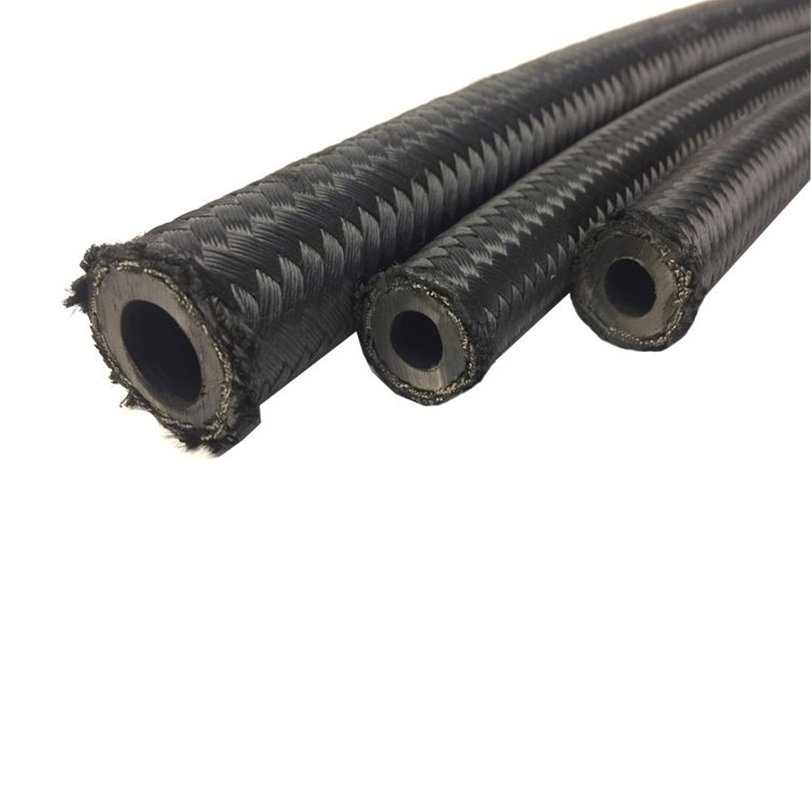
OEM one fiber braid hydraulic hoses constitute a critical component in fluid power systems across a diverse range of industries, including construction, agriculture, material handling, and manufacturing. These hoses are engineered to transmit hydraulic fluid under significant pressure, enabling the operation of hydraulic machinery. Their construction typically consists of an inner tube composed of synthetic rubber, a single layer of high-tensile fiber reinforcement (often polyester or aramid), and an outer cover designed for abrasion and weather resistance. The core functionality relies on maintaining fluid integrity and withstanding operational stresses without failure. This guide provides a comprehensive technical overview of their material science, manufacturing processes, performance characteristics, potential failure modes, and relevant industry standards, aimed at procurement managers, engineers, and maintenance personnel. The primary industry pain points addressed include hose burst pressure validation, compatibility with modern hydraulic fluids (including bio-based options), long-term durability in harsh environments, and compliance with evolving safety regulations.
Material Science & Manufacturing
The performance of a one fiber braid hydraulic hose is inherently linked to the properties of its constituent materials. The inner tube is commonly composed of nitrile rubber (NBR) due to its excellent oil resistance, but ethylene-propylene diene monomer (EPDM) is utilized for applications requiring higher temperature resistance and compatibility with phosphate ester fluids. The fiber braid, typically polyester or aramid, provides the tensile strength to withstand internal pressure. Polyester offers good cost-effectiveness and moderate temperature resistance, while aramid (e.g., Kevlar) delivers superior strength-to-weight ratio and higher temperature performance, albeit at a greater cost. The outer cover is frequently constructed from chloroprene rubber (CR) for its abrasion resistance, ozone resistance, and weather protection. Manufacturing begins with the extrusion of the inner tube. The fiber braid is then applied using a specialized braiding machine, precisely controlling the braid angle (typically 55-70 degrees) to optimize pressure resistance and flexibility. Following braiding, the outer cover is extruded over the braid, and the hose is cured using a vulcanization process. Critical parameters during manufacturing include rubber compound formulation (to control hardness, elongation, and chemical resistance), braid tension (directly impacting burst pressure), and curing time and temperature (affecting cross-linking density and overall material properties). Dimensional accuracy is paramount, and strict quality control measures are employed to ensure consistent hose dimensions and performance characteristics.
Performance & Engineering
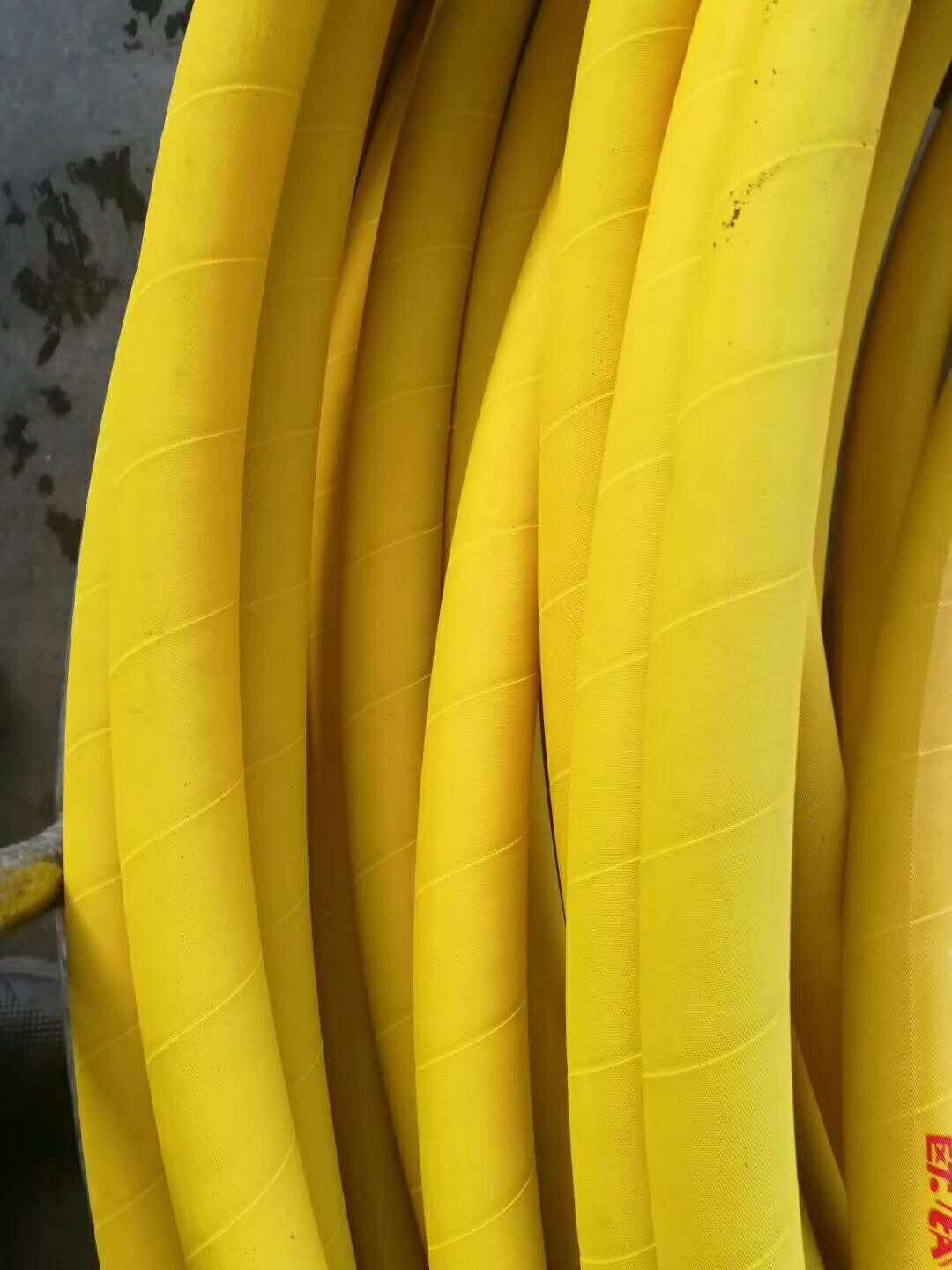
The core engineering consideration for one fiber braid hydraulic hoses revolves around maintaining safe and reliable operation under specified pressure, temperature, and fluid conditions. Force analysis focuses on hoop stress within the hose wall, determined by the internal pressure and hose diameter. The fiber braid is designed to counteract this hoop stress, preventing hose expansion and potential rupture. Burst pressure is a critical performance parameter, typically exceeding the working pressure by a safety factor of 4:1 or greater. Environmental resistance is crucial, particularly resistance to ozone cracking, UV degradation, and abrasion. Hose flexibility is another key factor, influencing routing ease and minimizing stress concentrations during bending. Compliance requirements vary by region and application, with standards such as SAE J517 and EN 853 dictating hose construction, testing procedures, and performance criteria. Furthermore, fluid compatibility is vital; improper fluid selection can lead to swelling, softening, or degradation of the inner tube, compromising hose integrity. The selection of appropriate end fittings (e.g., crimped fittings) is also critical, as a poor fitting can create a leak path or initiate premature hose failure. Finite element analysis (FEA) is frequently employed during the design phase to optimize hose geometry and reinforcement configuration for specific operating conditions.
Technical Specifications
| Parameter | Unit | Typical Value (Polyester Braid) | Typical Value (Aramid Braid) |
|---|---|---|---|
| Working Pressure | MPa | 20 | 35 |
| Burst Pressure | MPa | 80 | 140 |
| Temperature Range | °C | -40 to +100 | -40 to +150 |
| Inner Tube Material | - | NBR | EPDM |
| Outer Cover Material | - | CR | CR |
| Braid Material | - | Polyester | Aramid |
Failure Mode & Maintenance
One fiber braid hydraulic hoses are susceptible to several failure modes. Fatigue cracking, resulting from repeated flexing and pressure cycling, is a common cause of failure, particularly near fittings. Abrasion from external contact can damage the outer cover, exposing the braid to corrosion and weakening the hose. Internal abrasion from fluid contaminants (e.g., particles) can erode the inner tube, leading to leaks. Hydrolysis, the chemical breakdown of the rubber compound due to exposure to water, can reduce hose flexibility and strength. Oxidation, caused by exposure to oxygen and ozone, can cause cracking and hardening of the rubber. Delamination, the separation of the hose layers, is often a result of improper bonding during manufacturing or exposure to incompatible fluids. Preventative maintenance is crucial for maximizing hose life. This includes regular visual inspections for signs of damage (cracks, abrasions, swelling), proper fluid filtration to minimize contamination, and adherence to recommended operating pressures and temperatures. Hoses should be replaced immediately if any damage is detected. Periodic hose replacement schedules should be established based on application severity and operating conditions. Proper storage of hoses in a cool, dry, and dark environment can also extend their lifespan. Following recommended torque specifications during fitting installation is vital to prevent over-tightening or under-tightening, which can contribute to premature failure.
Industry FAQ
Q: What is the impact of using bio-based hydraulic fluids on the lifespan of a one fiber braid hose?
A: Bio-based hydraulic fluids, while environmentally friendly, can often exhibit different chemical properties compared to traditional mineral oil-based fluids. Certain bio-fluids can be more aggressive towards specific rubber compounds, potentially leading to accelerated degradation of the inner tube. It’s crucial to verify the fluid compatibility of the hose material (inner tube specifically) with the intended bio-fluid before use. EPDM inner tubes generally offer better compatibility with bio-based fluids than NBR.
Q: How does the braid angle affect the hose’s pressure rating and flexibility?
A: The braid angle is a critical design parameter. A steeper braid angle (closer to 90 degrees) provides higher resistance to axial shortening under pressure and therefore a higher burst pressure. However, a steeper angle also reduces flexibility. Conversely, a shallower angle increases flexibility but reduces pressure capacity. Typically, angles between 55 and 70 degrees are used to balance these competing requirements.
Q: What are the common causes of hose leaks at the fitting crimp?
A: Leaks at the fitting crimp are often caused by improper crimping, using incorrect die sizes, or corrosion of the fitting or hose end. Over-crimping can damage the hose reinforcement, while under-crimping results in an inadequate seal. The quality of the fitting material and its compatibility with the hose are also factors. Regular inspection of the crimp for signs of damage or corrosion is essential.
Q: What is the significance of the 'dash size' designation for hydraulic hoses (e.g., -6, -8, -10)?
A: The dash size refers to the inner diameter of the hose in sixteenths of an inch. For example, a -6 hose has a 6/16 inch (or 3/8 inch) inner diameter. This is a critical parameter for ensuring proper flow rate and minimizing pressure drop within the hydraulic system. Selecting the incorrect dash size can lead to inefficient operation or system failure.
Q: How do I determine the appropriate safety factor for selecting a hose for a specific application?
A: The appropriate safety factor depends on the severity of the application, the potential consequences of hose failure, and relevant industry standards. A minimum safety factor of 4:1 is commonly used, meaning the burst pressure should be at least four times the maximum working pressure. For critical applications or systems operating under high shock loads, a higher safety factor (e.g., 5:1 or 6:1) may be necessary. Consulting relevant industry standards (SAE, EN) is recommended.
Conclusion
OEM one fiber braid hydraulic hoses represent a cost-effective and reliable solution for numerous fluid power applications. Their performance is intrinsically tied to careful material selection, precise manufacturing control, and adherence to established industry standards. Understanding the inherent limitations, potential failure modes, and proper maintenance procedures is paramount for maximizing hose life and ensuring safe operation. The ongoing trend towards bio-based hydraulic fluids necessitates thorough compatibility assessments to prevent premature hose degradation.
Future developments in hydraulic hose technology will likely focus on enhancing durability, reducing weight, and improving resistance to extreme temperatures and aggressive fluids. Advancements in braiding techniques and rubber compound formulations will play a key role in achieving these improvements. Continued refinement of quality control processes and the adoption of predictive maintenance strategies based on sensor data will also contribute to increased system reliability and reduced downtime.