
Apr . 01, 2024 17:55 Back to list
oem one fiber braid hydraulic hose factories Performance Analysis
Introduction
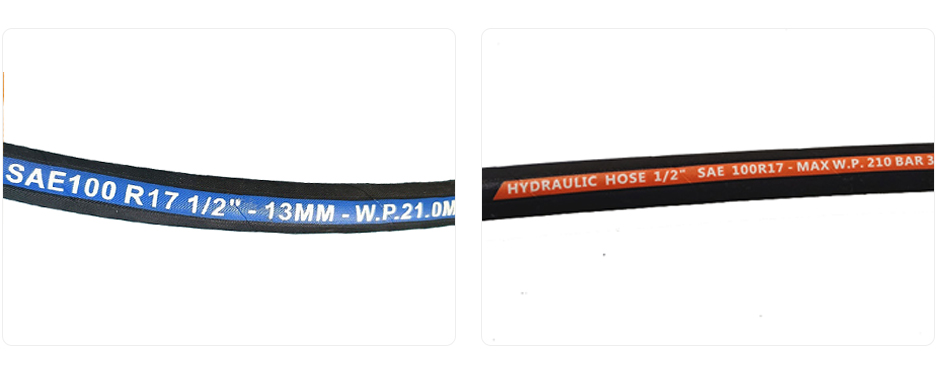
OEM one fiber braid hydraulic hoses are critical components in fluid power systems, facilitating the transmission of hydraulic fluid to actuators and machinery. Positioned within the hydraulic system as a conduit between the pump, control valves, and cylinders, their performance directly impacts system efficiency, reliability, and safety. These hoses are characterized by a single layer of high-tensile fiber reinforcement, typically comprised of polyester or aramid, embedded within a flexible rubber inner tube and protected by a durable rubber outer cover. The selection of appropriate hose construction – focusing on internal diameter, burst pressure, and chemical compatibility – is crucial for optimal operation and prevention of catastrophic failure. A core industry pain point lies in balancing cost-effectiveness with stringent performance requirements, particularly in demanding applications with elevated temperatures, aggressive fluids, and high-pressure cycles. Understanding material properties, manufacturing tolerances, and failure mechanisms is paramount for procuring and utilizing these hoses effectively.
Material Science & Manufacturing
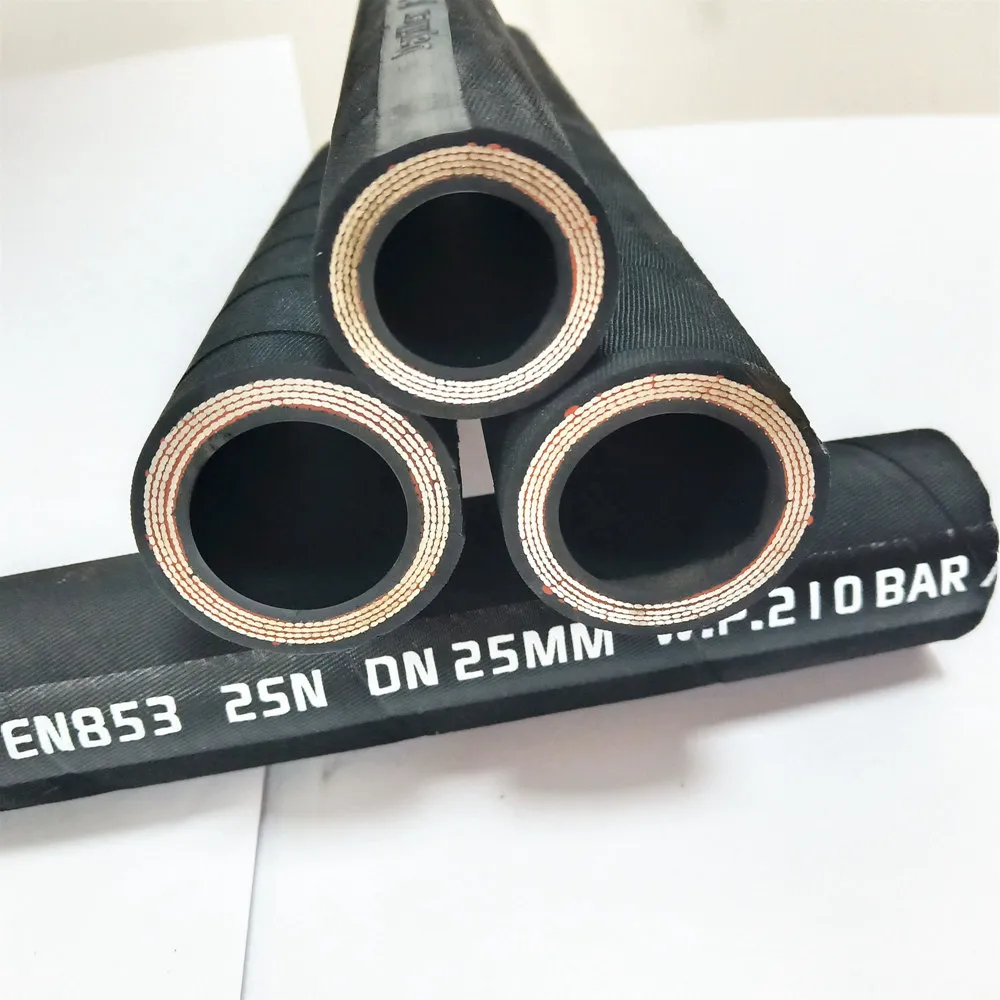
The foundation of a one fiber braid hydraulic hose lies in its constituent materials. The inner tube is commonly constructed from synthetic rubbers such as nitrile (NBR), offering excellent resistance to petroleum-based hydraulic fluids. NBR’s chemical structure provides resistance to swelling and degradation, however, its temperature range is limited. Alternative inner tube materials include chloroprene (CR) – with improved temperature and oil resistance – and ethylene propylene diene monomer (EPDM) – offering superior resistance to heat, ozone, and weathering, but limited compatibility with petroleum-based fluids. The reinforcement braid, typically polyester or aramid, provides the tensile strength necessary to withstand internal pressure. Polyester offers a good balance of cost and performance, while aramid provides superior strength-to-weight ratio and resistance to stretching. The outer cover is generally composed of CR or a blend of CR and NBR, providing abrasion, weather, and oil resistance.
Manufacturing involves a multi-stage process. First, the inner tube is extruded through a die, establishing the desired internal diameter and wall thickness. The fiber braid is then spirally wound onto the extruded tube, ensuring consistent coverage and angle. This is followed by vulcanization, a chemical process involving heat and pressure, which crosslinks the rubber polymers, enhancing their elasticity, strength, and chemical resistance. Proper control of temperature, pressure, and curing time is essential to achieving optimal vulcanization. Finally, the outer cover is extruded over the braided tube and similarly vulcanized. Critical parameters monitored during manufacturing include braid angle, rubber hardness, dimensional accuracy, and adhesion between layers. Non-destructive testing, such as air pressure testing and visual inspection, is employed to ensure quality control and identify defects.
Performance & Engineering
Hydraulic hose performance is dictated by several key engineering parameters. Burst pressure, the maximum pressure the hose can withstand before failure, is a primary specification. Working pressure is typically specified as 50% of the burst pressure, providing a safety margin. Tensile strength, determined by the fiber braid’s material and construction, resists axial loading and prevents stretching. Hose elongation, the percentage increase in length under pressure, must be controlled to maintain system integrity. Fatigue resistance, the ability to withstand repeated pressure cycles, is critical in applications involving pulsation or frequent starts and stops.
Environmental resistance is also paramount. Exposure to extreme temperatures can degrade rubber compounds, reducing flexibility and increasing the risk of cracking. Chemical compatibility dictates the hose’s suitability for different hydraulic fluids. Incompatibility can lead to swelling, softening, or corrosion of the inner tube. Furthermore, abrasion resistance is crucial in applications where the hose is exposed to rubbing or impact. Force analysis involves calculating hoop stress (stress in the hose wall due to internal pressure) and longitudinal stress (stress due to axial loading). Compliance with industry standards, such as SAE J517 and EN 853, ensures that hoses meet minimum performance requirements and safety standards.
Technical Specifications
| Parameter | Units | Typical Value (Polyester Braid, NBR Inner Tube, CR Cover) | Typical Value (Aramid Braid, EPDM Inner Tube, CR Cover) |
|---|---|---|---|
| Working Pressure | PSI | 2000 | 3000 |
| Burst Pressure | PSI | 8000 | 12000 |
| Temperature Range | °F | -40 to 212 | -40 to 250 |
| Inner Diameter | Inches | 0.25 – 2.0 | 0.25 – 2.0 |
| Outer Diameter | Inches | 0.437 – 2.375 | 0.437 – 2.375 |
| Tensile Strength | PSI | 3000 | 5000 |
Failure Mode & Maintenance
One fiber braid hydraulic hoses are susceptible to various failure modes. Fatigue cracking, initiated by repeated pressure cycles, typically occurs at the braid crossover points. Delamination, the separation of layers, can result from poor adhesion during manufacturing or exposure to aggressive fluids. Abrasion, caused by external contact, can compromise the outer cover, leading to exposure of the reinforcement braid. Oxidation, particularly in hoses exposed to high temperatures and oxygen, can degrade the rubber compounds, reducing flexibility and strength. Chemical degradation occurs when the inner tube is exposed to incompatible fluids, leading to swelling, softening, or cracking.
Preventative maintenance is crucial for extending hose life. Regular visual inspection should be conducted to identify signs of abrasion, cracking, or leakage. Hoses should be replaced if any damage is detected. Proper routing and support are essential to prevent kinking, twisting, and rubbing. Avoid exceeding the recommended working pressure. Ensure compatibility between the hose materials and the hydraulic fluid. When disconnecting hoses, avoid sharp bends or pulling on the hose body; instead, use appropriate tools to release the fittings. Periodic fluid analysis can identify contaminants that could accelerate hose degradation. Storage should be in a cool, dry place away from direct sunlight and ozone sources.
Industry FAQ
Q: What is the primary difference between polyester and aramid reinforcement braids in terms of performance?
A: Aramid braids offer significantly higher tensile strength and lower elongation compared to polyester braids. This translates to improved resistance to stretching under pressure and greater durability in high-pressure, high-temperature applications. However, aramid is generally more expensive than polyester.
Q: How does fluid temperature affect the lifespan of a nitrile (NBR) inner tube?
A: Elevated temperatures accelerate the degradation of NBR, leading to loss of flexibility and increased susceptibility to cracking. Prolonged exposure to temperatures above 212°F (100°C) can significantly reduce the hose's service life. EPDM is a better choice for high-temperature applications.
Q: What are the key indicators of impending hose failure during a visual inspection?
A: Look for signs of cracking (especially near fittings and braid crossovers), abrasion on the outer cover, swelling or softening of the rubber, leakage, and distortion of the hose shape. Any of these indicators warrant immediate replacement of the hose.
Q: How important is proper hose routing and support to prevent failures?
A: Proper routing and support are critical. Avoid sharp bends, twisting, and rubbing against abrasive surfaces. Use appropriate clamps and supports to prevent excessive movement and stress on the hose. Incorrect routing can lead to premature fatigue failure.
Q: What is the impact of using an incompatible hydraulic fluid with a specific hose inner tube material?
A: Using an incompatible fluid can cause the inner tube to swell, soften, or degrade, leading to leaks, reduced pressure capacity, and ultimately, hose failure. Always verify fluid compatibility with the hose manufacturer's specifications.
Conclusion
OEM one fiber braid hydraulic hoses remain a foundational element in countless hydraulic systems, providing a cost-effective solution for fluid conveyance. Their performance is critically dependent upon a meticulous understanding of material science, manufacturing controls, and operational parameters. Selection must prioritize compatibility with the hydraulic fluid, operating pressure, and environmental conditions to ensure long-term reliability and prevent catastrophic failures.
Looking ahead, advancements in rubber compounding and fiber reinforcement technologies will likely lead to hoses with enhanced temperature resistance, chemical compatibility, and fatigue life. Furthermore, the integration of sensor technology for real-time monitoring of hose condition will enable predictive maintenance and further improve system uptime. By focusing on these areas, manufacturers and end-users can continue to optimize the performance and safety of hydraulic systems utilizing one fiber braid hoses.