
Apr . 01, 2024 17:55 Back to list
oem lpg hose suppliers manufacturers Performance Engineering

Introduction
LPG (Liquefied Petroleum Gas) hoses, manufactured by OEM suppliers, are critical components in the safe and efficient transfer of LPG for heating, cooking, and industrial applications. These hoses are engineered to withstand the specific pressures, temperatures, and chemical compatibility requirements associated with LPG. The industry chain begins with raw material suppliers (rubber, synthetic polymers, steel wire), progresses through hose extrusion and assembly manufacturers (OEMs), and concludes with distribution to end-users via retailers and installers. Core performance parameters include burst pressure, working pressure, temperature range, and permeation resistance. A primary industry pain point revolves around ensuring consistent material quality and adherence to stringent international safety standards, as failures can lead to significant hazards and regulatory penalties. Another critical area is maintaining flexibility over the hose's lifespan, particularly in colder climates, while resisting degradation from UV exposure and chemical contact.
Material Science & Manufacturing
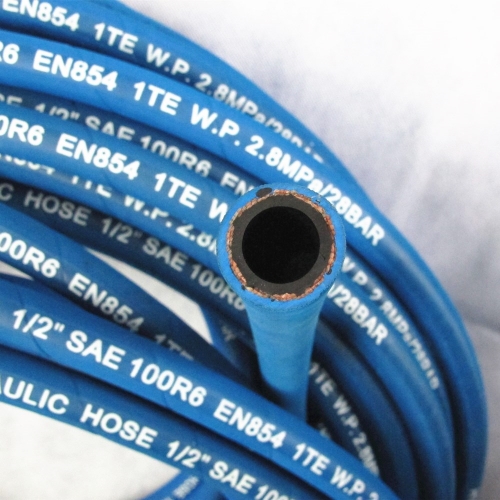
LPG hoses are typically constructed from multiple layers, each serving a specific function. The inner tube, in direct contact with LPG, is commonly made from a specialized synthetic rubber compound, often a blend of nitrile rubber (NBR) and polychloroprene rubber (CR), exhibiting excellent resistance to LPG permeation and degradation. NBR provides good oil resistance, while CR enhances resistance to ozone and weathering. The reinforcement layer, crucial for pressure resistance, consists of high-tensile steel wire spirally wound or braided. The number of spirals or braids directly correlates with the hose's working and burst pressures. An outer cover, typically ethylene propylene diene monomer (EPDM) rubber, provides protection against abrasion, UV radiation, and environmental factors.
Manufacturing involves several key processes. Rubber compounds are mixed, extruded into continuous tubing, and cooled. Steel wire is spiraled or braided around the inner tube. These layers are then vulcanized – a process involving heating the assembly under pressure to cross-link the rubber molecules, imparting elasticity and durability. Critical parameters during vulcanization include temperature, pressure, and time, which must be precisely controlled to achieve optimal material properties. Following vulcanization, hoses undergo rigorous testing for pressure resistance, leak tightness, and dimensional accuracy. Quality control checks throughout the manufacturing process are essential to prevent defects and ensure compliance with industry standards. Further processes include end fitting attachment using crimping or swaging techniques, creating a secure and leak-proof connection.
Performance & Engineering
The performance of an LPG hose is dictated by its ability to withstand internal pressure, external loads, and environmental conditions. Force analysis involves calculating hoop stress within the hose wall due to internal pressure, ensuring it remains below the material’s yield strength. This calculation incorporates hose diameter, wall thickness, and the steel wire reinforcement’s contribution to tensile strength. Environmental resistance is paramount. LPG hoses must maintain their flexibility and integrity across a wide temperature range, typically -40°C to +60°C. Permeation, the leakage of LPG through the hose wall, must be minimized to prevent gas loss and potential safety hazards. Permeation rates are influenced by the rubber compound’s density and the pressure differential.
Compliance requirements are extensive. LPG hoses must meet standards set by organizations like EN (European Norms), ISO (International Organization for Standardization), and GB (Guobiao – Chinese National Standards). These standards specify minimum burst pressures, working pressures, permeation limits, and material properties. Functional implementation also necessitates consideration of hose length, diameter, and end fitting compatibility. Correctly sized hoses minimize pressure drop and ensure efficient LPG delivery. End fittings must be compatible with the regulator and appliance connections to prevent leaks and ensure a secure seal. Fatigue life, defined by the number of pressure cycles the hose can withstand before failure, is also a critical engineering parameter.
Technical Specifications
| Parameter | Unit | Standard Specification (EN 1763-1:2015) | Typical OEM Offering Range |
|---|---|---|---|
| Working Pressure | Bar | Minimum 2.8 | 1.5 – 3.5 |
| Burst Pressure | Bar | Minimum 14 | 18 – 22 |
| Inner Diameter | mm | 6.3, 8, 10, 12.7 | 6.3 - 19 |
| Outer Diameter | mm | Varies by ID & Layers | 12 – 30 |
| Permeation Rate (LPG) | cm³/m²/day | Maximum 15 | 2 - 10 |
| Temperature Range | °C | -20 to +60 | -40 to +70 |
Failure Mode & Maintenance
LPG hose failure modes typically involve cracking, permeation, or separation of layers. Fatigue cracking, caused by repeated pressure cycles, often initiates at the inner tube-reinforcement interface. Permeation increases over time as the rubber compound degrades due to exposure to LPG and environmental factors. Delamination, the separation of the inner tube from the reinforcement layer, can occur due to inadequate bonding during vulcanization or excessive mechanical stress. Oxidation, caused by exposure to oxygen and ozone, can lead to hardening and cracking of the outer cover.
Preventative maintenance is crucial for ensuring hose longevity and safety. Regular visual inspections should be conducted to check for cracks, abrasions, and leaks. Hoses should be replaced if any signs of damage are observed. Avoid kinking or twisting the hose, as this can create stress concentrations and accelerate fatigue failure. Protect the hose from direct sunlight and extreme temperatures. Store hoses in a cool, dry place when not in use. When connecting or disconnecting hoses, ensure the fittings are clean and free of debris. Periodically check the tightness of hose clamps. Manufacturers typically recommend a service life of 5-7 years, even with proper maintenance, due to gradual material degradation.
Industry FAQ
Q: What is the significance of the steel wire braid density in an LPG hose?
A: The steel wire braid density directly impacts the hose's burst pressure and resistance to kinking. A higher braid density provides greater tensile strength and prevents the hose from collapsing under vacuum or pressure fluctuations. It's a critical parameter determined by the specific application and regulatory requirements.
Q: How does UV exposure affect LPG hose performance?
A: Prolonged UV exposure can cause the outer rubber cover (typically EPDM) to degrade, leading to hardening, cracking, and reduced flexibility. This compromises the hose's ability to withstand environmental stresses and can accelerate failure. UV-resistant formulations and protective covers are essential for outdoor applications.
Q: What are the implications of exceeding the recommended working pressure for an LPG hose?
A: Exceeding the working pressure significantly increases the stress on the hose wall and reinforcement, potentially leading to immediate rupture or premature fatigue failure. This poses a serious safety hazard, as a ruptured hose can release flammable LPG. Always adhere to the pressure ratings specified by the manufacturer.
Q: What testing is typically performed on LPG hoses to ensure quality and compliance?
A: Common tests include hydrostatic pressure testing (to verify burst and working pressure), leak testing (using air or nitrogen), permeation testing (to measure LPG leakage), tensile strength testing (of the reinforcement), and accelerated aging tests (to simulate long-term exposure to environmental factors). These tests are performed according to relevant industry standards.
Q: What considerations are important when selecting the correct end fittings for an LPG hose?
A: End fittings must be compatible with the hose diameter, material, and the connections on the regulator and appliance. They must be securely attached to the hose using appropriate crimping or swaging techniques to ensure a leak-proof seal. The fitting material must also be compatible with LPG and resistant to corrosion.
Conclusion
OEM LPG hose manufacturing is a complex process demanding meticulous material selection, precise manufacturing control, and rigorous quality assurance. The performance and safety of these hoses are directly linked to the properties of the rubber compounds, the strength of the steel wire reinforcement, and adherence to stringent international standards like EN 1763-1. Understanding these critical factors is essential for procurement managers and engineers to ensure the selection of reliable and durable hoses for LPG applications.
Future trends in LPG hose technology focus on developing more advanced rubber formulations with enhanced permeation resistance and UV stability, as well as exploring alternative reinforcement materials like aramid fibers for increased flexibility and reduced weight. Continued innovation in manufacturing processes and testing methodologies will further improve the safety and reliability of LPG hoses, mitigating the risk of failures and ensuring the efficient delivery of this essential fuel source.