
Apr . 01, 2024 17:55 Back to list
oem lpg hose suppliers factory Performance Analysis
Introduction
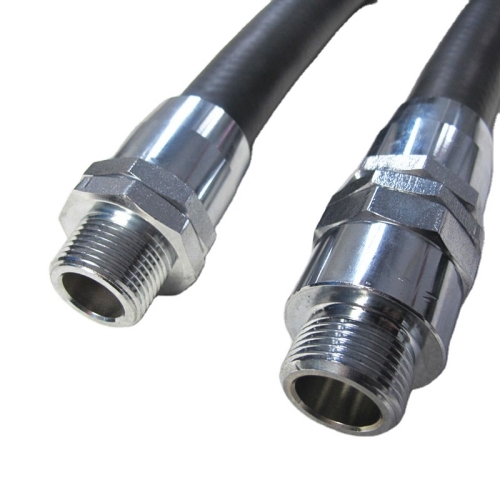
Liquefied Petroleum Gas (LPG) hoses are critical components in fuel delivery systems, serving residential, commercial, and industrial applications. OEM LPG hose suppliers represent a foundational tier in the LPG infrastructure, providing hoses tailored to specific equipment and regulatory standards. These hoses are not simply conduits; they are engineered systems requiring robust material science, precise manufacturing controls, and adherence to stringent safety protocols. The performance of an LPG hose directly impacts system efficiency, safety, and compliance. This guide provides an in-depth examination of LPG hose technology, covering material properties, manufacturing processes, performance characteristics, potential failure modes, and relevant industry standards. Core to the OEM supply chain is the ability to consistently deliver hoses that meet and exceed specifications, minimizing risk and ensuring operational reliability. The inherent challenges lie in maintaining chemical compatibility with LPG (a blend of propane and butane), resisting permeation, withstanding pressure fluctuations, and preventing degradation due to environmental factors and mechanical stress.
Material Science & Manufacturing
LPG hoses typically utilize a multi-layer construction. The innermost layer, in direct contact with the LPG, is commonly composed of a specialized synthetic rubber compound – typically a blend of nitrile rubber (NBR) due to its excellent resistance to aliphatic hydrocarbons like propane and butane. NBR formulations are often modified with polychloroprene rubber (CR) to enhance ozone and weathering resistance. The middle layer(s) typically consist of high-tensile strength reinforcement materials. Historically, natural fiber reinforcement was used, but modern hoses predominantly employ synthetic textile plies, such as polyester or nylon, spirally wound or braided to provide pressure resistance and dimensional stability. The outer cover is generally constructed from a Chlorinated Polyethylene (CPE) or Polyvinyl Chloride (PVC) compound, selected for its abrasion resistance, UV stability, and overall protective qualities. Manufacturing begins with compound mixing, where precise ratios of polymers, plasticizers, fillers, and curing agents are blended. Extrusion processes are used to form the inner tube and outer cover. Reinforcement plies are then applied, often using a calendaring and winding process. Finally, the hose is vulcanized (cured) under controlled temperature and pressure to create the final elastomeric structure. Critical parameters during manufacturing include maintaining consistent wall thickness, ensuring proper adhesion between layers, and verifying the integrity of the reinforcement materials. Permeation testing is performed on the inner liner to ensure it meets regulatory standards regarding LPG leakage. A key pain point for OEM suppliers is controlling batch-to-batch consistency in rubber compound formulations to maintain uniform performance characteristics.

Performance & Engineering
The performance of an LPG hose is governed by several key engineering principles. Burst pressure, defined as the pressure at which the hose fails catastrophically, is a primary safety metric. Working pressure, typically a fraction of the burst pressure (often 4:1 safety factor), dictates the maximum allowable operating pressure. Tensile strength, measured by the force required to break the hose under tension, determines its resistance to mechanical stress during handling and installation. Elongation at break indicates the hose’s ability to deform before failure. Environmental resistance is critical; LPG hoses must withstand temperature fluctuations, exposure to UV radiation, and contact with various chemicals. Permeation rate, the rate at which LPG molecules diffuse through the hose wall, is a crucial factor for safety and environmental compliance. Fatigue resistance, the ability to withstand repeated pressure cycles without failure, is paramount in applications involving pulsating flow. Force analysis during installation and operation is vital to prevent kinking, twisting, or over-bending, which can compromise hose integrity. Compliance requirements, such as those stipulated by EN 1763 or CGA V-11, dictate specific performance criteria and testing procedures. A significant engineering challenge is balancing flexibility with pressure resistance. Increasing reinforcement layers enhances pressure capacity but reduces flexibility, potentially making installation difficult. Selecting the appropriate rubber compound and reinforcement materials is therefore a critical design consideration.
Technical Specifications
| Parameter | Unit | Typical Value | Testing Standard |
|---|---|---|---|
| Working Pressure | Bar | 15 | EN 1763 |
| Burst Pressure | Bar | 60 | EN 1763 |
| Tensile Strength | MPa | 12 | ASTM D2370 |
| Elongation at Break | % | 300 | ASTM D412 |
| Permeation Rate (Propane) | g/m²/day | <0.5 | ISO 2816-1 |
| Operating Temperature Range | °C | -20 to +60 | Manufacturer Specification |
Failure Mode & Maintenance
LPG hose failure can occur through several mechanisms. Fatigue cracking, initiated by repeated pressure cycles and mechanical stress, is a common failure mode, particularly near fittings. Permeation-induced degradation can lead to rubber swelling and loss of mechanical properties over time. Ozone cracking, caused by exposure to ozone in the atmosphere, manifests as surface cracks in the rubber compound. Chemical attack, resulting from contact with incompatible fluids or contaminants, can cause material degradation and embrittlement. Abrasion, due to rubbing against surfaces, can wear away the outer cover, exposing the reinforcement layers. Kinking or twisting can create localized stress concentrations, leading to premature failure. Improper installation, such as over-tightening fittings, can also induce stress and cause leaks. Maintenance primarily involves regular visual inspection for signs of cracking, swelling, abrasion, or damage. Fittings should be checked for tightness and corrosion. Hoses should be replaced if any signs of degradation are observed. Avoid exposing hoses to extreme temperatures, direct sunlight, or harsh chemicals. Proper storage is essential; hoses should be stored in a cool, dry place away from ozone sources. A proactive approach to failure analysis, including root cause investigation of field failures, is crucial for continuous improvement in hose design and manufacturing.
Industry FAQ
Q: What is the impact of LPG composition variations (propane/butane ratio) on hose performance?
A: Variations in LPG composition can affect permeation rates. Butane, having a smaller molecular size, generally permeates rubber compounds more readily than propane. Hose manufacturers must account for the expected LPG composition in the target market and select rubber formulations accordingly. Increased butane content may necessitate the use of lower-permeability rubber compounds or thicker inner liners.
Q: How does the reinforcement material affect the hose’s resistance to kinking?
A: The type and construction of the reinforcement material significantly impact kink resistance. Spiral-wound reinforcement generally provides better flexibility and kink resistance compared to braided reinforcement. The material's modulus of elasticity also plays a role; a lower modulus indicates greater flexibility.
Q: What are the key considerations when selecting fittings for LPG hoses?
A: Fittings must be compatible with the hose material and the LPG fuel. They must be pressure-rated to match or exceed the hose’s working pressure. Proper sealing is critical to prevent leaks; fittings should utilize appropriate sealing mechanisms (e.g., O-rings, gaskets) and be installed correctly. Material compatibility is also crucial; avoid using fittings made from materials that can corrode or react with LPG.
Q: What testing is conducted to verify the long-term durability of an LPG hose?
A: Accelerated aging tests, involving exposure to elevated temperatures and humidity, are used to simulate long-term aging. Cyclic pressure testing simulates the effects of repeated pressure cycles. Permeation testing is conducted periodically throughout the aging process to monitor changes in permeability. Mechanical property testing (tensile strength, elongation) is also performed to assess degradation.
Q: How do different outer cover materials (CPE vs. PVC) compare in terms of performance and application?
A: CPE offers superior resistance to weathering, ozone, and abrasion compared to PVC. It also exhibits better flexibility at low temperatures. PVC is generally more cost-effective but less durable in harsh environments. CPE is typically preferred for outdoor applications and environments with high UV exposure, while PVC may be suitable for indoor or protected applications.
Conclusion
OEM LPG hose technology is a complex field demanding rigorous material selection, precise manufacturing control, and adherence to stringent safety standards. The long-term reliability and safety of LPG fuel systems hinge on the consistent performance of these critical components. Understanding the interplay between material properties, engineering principles, and industry regulations is essential for OEM suppliers seeking to deliver high-quality, dependable products. Continuous innovation in rubber compound formulations and reinforcement materials will be key to enhancing hose performance and addressing emerging challenges.
Looking ahead, the industry will likely see increased demand for hoses with enhanced permeation resistance, improved fatigue life, and greater compatibility with alternative fuels. Development of smart hoses incorporating sensors for leak detection and pressure monitoring could further enhance safety and efficiency. Proactive engagement with regulatory bodies and collaboration with end-users will be crucial for driving innovation and ensuring that LPG hose technology continues to meet the evolving needs of the industry.