
Apr . 01, 2024 17:55 Back to list
oem lpg flexible gas hose supplier Performance Analysis
Introduction
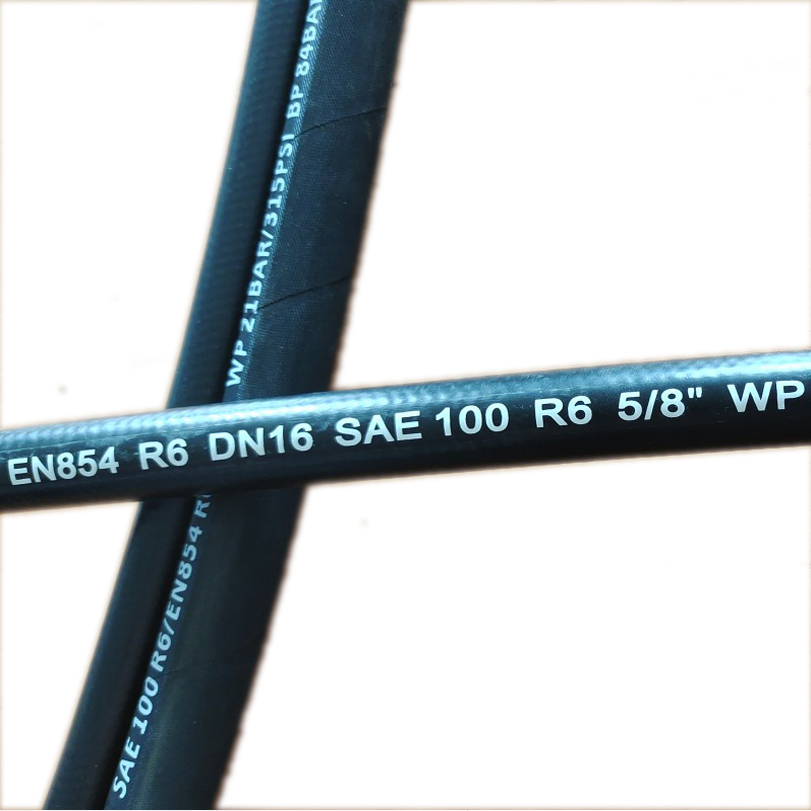
LPG (Liquefied Petroleum Gas) flexible hoses are critical components in the safe and efficient transfer of LPG in a variety of applications, ranging from domestic heating and cooking to industrial processes and automotive fuel systems. These hoses, often supplied by OEM (Original Equipment Manufacturer) vendors, are engineered to withstand the specific pressures, temperatures, and chemical characteristics of LPG while maintaining flexibility and leak-proof performance. Their technical position in the supply chain is post-refining and pre-end-user application, functioning as the vital interface between storage/transport and consumption points. Core performance metrics center around pressure resistance, burst strength, leak tightness (zero permeability), resistance to LPG chemical attack, and compliance with stringent international safety standards. The increasing demand for portable LPG appliances and the expanding LPG infrastructure globally necessitate high-quality, reliable flexible hoses, driving the need for specialized OEM suppliers capable of consistently meeting these demanding requirements. A key pain point in the industry is the proliferation of substandard hoses lacking proper certification, leading to safety hazards and potential legal liabilities.
Material Science & Manufacturing
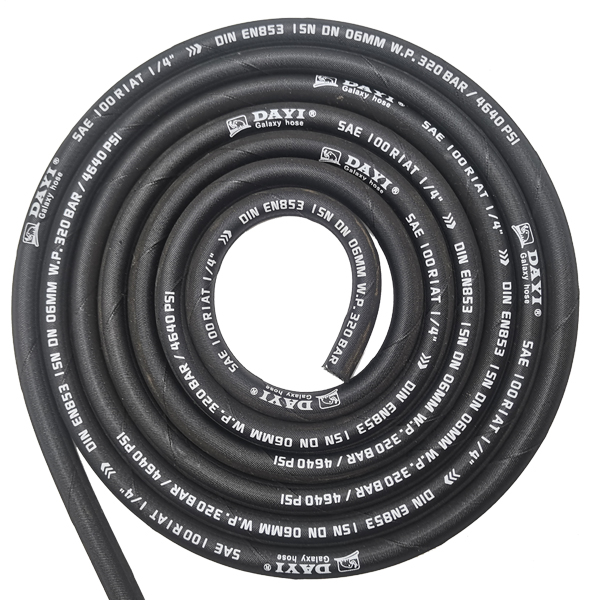
The construction of an LPG flexible hose involves a complex interplay of material science and precision manufacturing. The inner core, typically in direct contact with LPG, is commonly composed of a specialized synthetic rubber compound – often a blend of Nitrile Butadiene Rubber (NBR) and Polyvinyl Chloride (PVC) formulated for optimal resistance to LPG's chemical constituents (primarily propane and butane). NBR provides excellent resistance to oils and fuels, while PVC contributes to impermeability. The reinforcement layer is critical for pressure handling and typically consists of high-tensile strength textile braiding (typically polyester or aramid fibers) or a spiraled steel wire. The outer cover provides environmental protection and abrasion resistance, often utilizing a Chlorinated Polyethylene (CPE) or PVC compound with UV stabilizers. Manufacturing processes begin with compound mixing and extrusion to form the inner core and outer cover. The reinforcement layer is then applied through braiding or spiral winding. Crucially, parameter control during extrusion (temperature, screw speed, die pressure) is paramount to ensure uniform wall thickness and consistent material properties. Braiding tension and angle must be precisely controlled to achieve the desired burst pressure and flexibility. Post-manufacturing, hoses undergo rigorous pressure testing (hydrostatic testing) and leak testing (bubble leak test) to verify integrity. Furthermore, batch traceability is essential for quality control and recall management.
Performance & Engineering
The performance of an LPG flexible hose is governed by a series of engineering principles. Force analysis focuses on hoop stress within the hose wall under internal pressure; the reinforcement layer is engineered to counteract this stress, preventing rupture. Burst pressure, a critical safety parameter, is determined by the tensile strength of the reinforcement material and the adhesion between layers. Environmental resistance is paramount. Exposure to UV radiation can degrade the outer cover, leading to cracking and embrittlement; UV stabilizers are thus vital. Temperature fluctuations cause expansion and contraction, necessitating a hose design that accommodates these movements without compromising integrity. LPG hoses must also resist ozone degradation and weathering. Compliance requirements are extensive, varying by region but generally encompassing standards related to flame resistance, chemical compatibility, and mechanical strength. Functional implementation considerations include bend radius (minimizing kinking and stress concentration), length (optimizing reach and maneuverability), and end fitting compatibility (ensuring secure, leak-proof connections). The design must account for the potential for dynamic loading – vibrations and impacts – in applications like automotive LPG systems. A critical performance aspect is permeability; the hose must exhibit near-zero permeability to LPG to prevent fuel leakage and associated safety hazards.
Technical Specifications
| Parameter | Unit | Typical Value (OEM Specification) | Test Standard |
|---|---|---|---|
| Working Pressure | bar | 15 | EN ISO 2559 |
| Burst Pressure | bar | 45 | EN ISO 2559 |
| Inner Diameter | mm | 12.7 | ISO 4413 |
| Outer Diameter | mm | 19.0 | ISO 4413 |
| Minimum Bend Radius | mm | 150 | Manufacturer Specification |
| Temperature Range | °C | -20 to +70 | EN 682 |
Failure Mode & Maintenance
LPG flexible hoses are susceptible to several failure modes. Fatigue cracking, induced by repeated bending and pressure cycling, can occur in the reinforcement layer or at connection points. Delamination – separation of layers – can result from inadequate adhesion or exposure to harsh chemicals. Degradation of the rubber compound due to ozone attack, UV exposure, or chemical incompatibility with LPG constituents leads to loss of flexibility and increased permeability. Oxidation, especially at elevated temperatures, can cause hardening and cracking. Leakage at end fittings is common due to improper installation, thread damage, or deterioration of sealing components. Maintenance primarily involves visual inspection for cracks, blisters, or signs of degradation. Regular leak testing with a soap solution is recommended. Hoses should be replaced immediately if any damage is detected. Proper storage – away from direct sunlight, extreme temperatures, and contact with incompatible chemicals – is crucial. Avoid kinking or sharp bending during use. For automotive applications, periodic inspection by a qualified technician is essential. Failure analysis, in cases of unexpected rupture, should involve microscopic examination of the failed section to identify the root cause.
Industry FAQ
Q: What is the significance of EN ISO 2559 certification for LPG hoses?
A: EN ISO 2559 is a European standard specifying the requirements for flexible hoses for LPG. Certification to this standard demonstrates that the hose has undergone rigorous testing for pressure resistance, leak tightness, and chemical compatibility, ensuring it meets stringent safety criteria for use with LPG. Compliance is often a legal requirement in many European countries.
Q: How does the reinforcement material impact the burst pressure of the hose?
A: The reinforcement material (typically high-tensile textile or steel wire) bears the primary load when the hose is pressurized. Higher tensile strength of the reinforcement directly translates to a higher burst pressure. The braiding angle and density also play a critical role; a tighter, more angled braid provides greater hoop strength and resistance to expansion under pressure.
Q: What are the potential consequences of using a hose with inadequate chemical compatibility?
A: Inadequate chemical compatibility can lead to swelling, softening, or degradation of the hose material due to reaction with LPG constituents. This results in reduced mechanical strength, increased permeability, and ultimately, hose failure and potential LPG leakage, posing a significant safety hazard.
Q: What is the recommended service life for an LPG hose?
A: The recommended service life varies depending on the application and exposure conditions. However, a general guideline is 5-7 years for domestic applications and 3-5 years for industrial/automotive applications. Regular inspection and adherence to manufacturer’s recommendations are crucial. Hoses exposed to harsh environments (UV radiation, extreme temperatures) may require more frequent replacement.
Q: What measures do OEM suppliers take to ensure batch traceability?
A: Reputable OEM suppliers implement robust batch traceability systems, typically involving unique identification markings (date codes, batch numbers) on each hose. These markings allow tracking of the hose back to the raw materials used, manufacturing parameters, and test results, facilitating quality control and enabling effective recall management if necessary.
Conclusion
LPG flexible hoses are essential safety-critical components demanding rigorous material selection, precise manufacturing control, and adherence to international standards. The performance of these hoses is determined by a complex interplay of factors, including pressure resistance, chemical compatibility, and environmental durability. OEM suppliers play a vital role in ensuring the consistent delivery of high-quality, reliable hoses that meet the specific needs of diverse applications.
The industry's ongoing focus on safety and efficiency necessitates continuous improvement in hose design and manufacturing techniques. Future developments may include the incorporation of advanced materials (e.g., fluoropolymers for enhanced chemical resistance), smart hose technologies (e.g., embedded sensors for leak detection), and more sustainable manufacturing processes. Selecting a reputable OEM supplier with a proven track record of quality and compliance is paramount for mitigating risk and ensuring the safe and efficient use of LPG.