
Apr . 01, 2024 17:55 Back to list
oem lpg flexible gas hose manufacturers Material Science and Performance Analysis
Introduction
OEM LPG flexible gas hoses are critical components in the safe and efficient distribution of liquefied petroleum gas (LPG) in a wide range of applications, including residential heating, industrial processes, and vehicle fuel systems. Positioned within the broader gas distribution infrastructure, these hoses connect high-pressure regulators to gas appliances, providing a flexible and reliable conduit for LPG transfer. Their performance is directly linked to public safety and operational integrity. Core performance characteristics center around maintaining leak-tightness under specified pressure, resisting degradation from LPG exposure, and withstanding mechanical stresses associated with installation and use. The global market for these hoses is driven by increasing demand for LPG as a cleaner burning fuel and expanding infrastructure in developing economies. A primary industry pain point revolves around ensuring consistent material quality to prevent failures leading to gas leaks and potential hazards. Furthermore, adhering to stringent international safety standards and maintaining traceability are crucial for manufacturers and end-users alike.
Material Science & Manufacturing
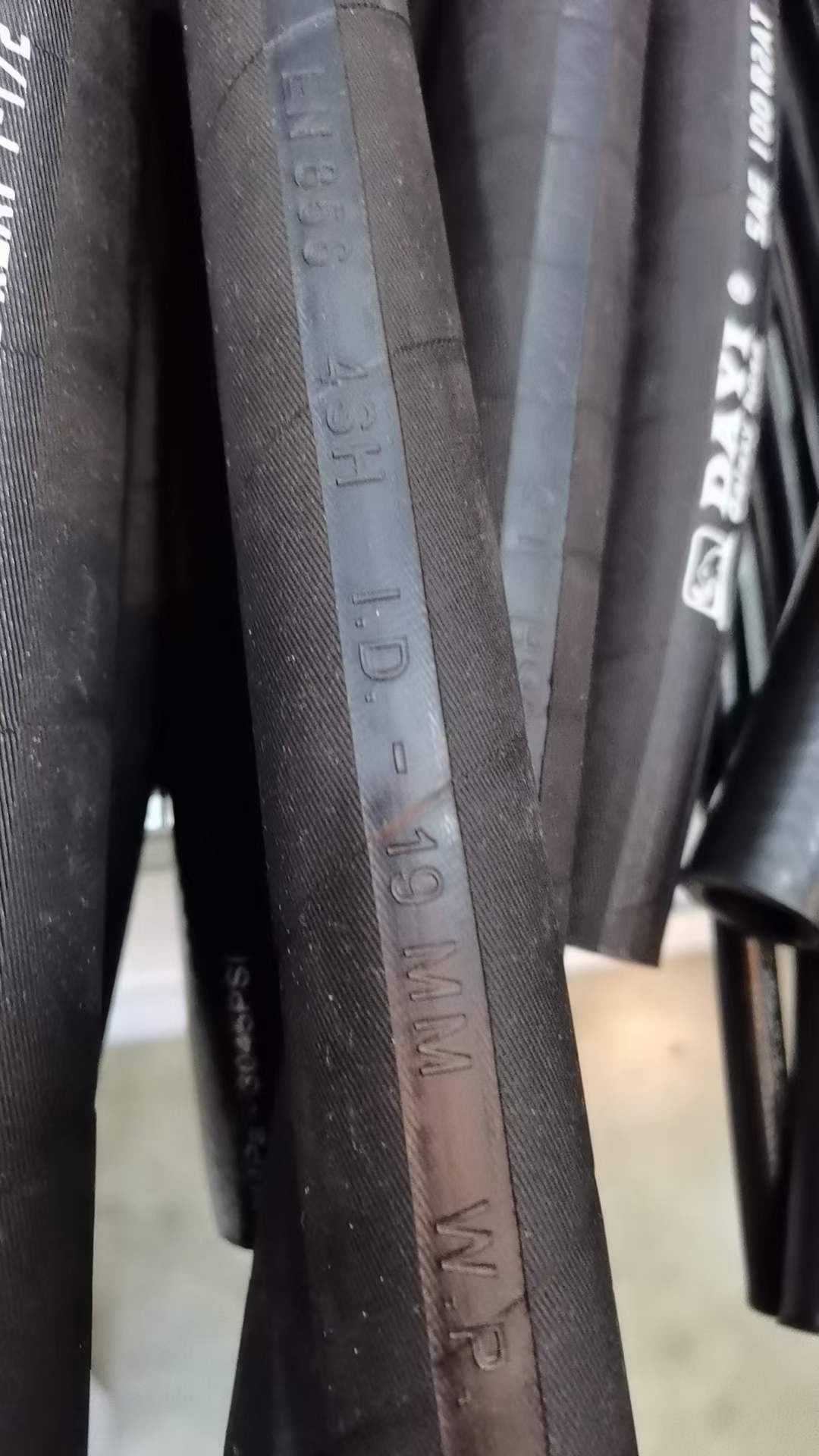
The predominant material for LPG flexible gas hoses is a specialized rubber compound, typically a blend of nitrile rubber (NBR) reinforced with high-tensile textile braiding, usually polyester or nylon. NBR is selected for its excellent resistance to LPG, which primarily consists of propane and butane. The specific formulation of the NBR compound is critical, varying in nitrile content (between 30-50%) to optimize flexibility, pressure resistance, and temperature performance. Other additives, such as carbon black, antioxidants, and curing agents, are incorporated to enhance durability and longevity. The textile braiding provides the structural integrity to withstand internal pressure. The manufacturing process begins with the compounding of the NBR mixture, followed by extrusion into a seamless hose profile. This extrusion process requires precise temperature control (typically between 140-160°C) and die design to ensure consistent wall thickness and surface finish. Following extrusion, the hose undergoes braiding, where the textile yarns are wound around the outer diameter at a specific angle (typically 54-58 degrees) to maximize pressure resistance. A final curing step, utilizing vulcanization, cross-links the rubber molecules, achieving the desired mechanical properties. Key parameter control includes monitoring the Mooney viscosity of the NBR compound, the tension of the textile braiding, and the curing time and temperature to ensure a homogenous and robust final product. Compatibility with fittings is critical, often employing swaged connections utilizing stainless steel ferrules.
Performance & Engineering
The performance of LPG flexible gas hoses is dictated by several engineering considerations. Firstly, burst pressure testing is paramount, ensuring the hose can withstand pressures significantly exceeding normal operating conditions (typically 30-40 bar burst pressure for standard residential applications). This is determined through hydrostatic testing, where the hose is filled with water and pressurized until failure. Secondly, leak tightness is assessed using gas pressure decay testing, monitoring any pressure loss over a specified period. Thirdly, resistance to LPG permeation is vital, minimizing gas loss and maintaining environmental integrity. This is quantified by measuring the gas permeation rate through the hose wall. Environmental resistance is also crucial, particularly resistance to UV radiation, ozone, and aging. Accelerated aging tests, conducted at elevated temperatures, simulate long-term exposure and assess the hose's durability. Force analysis dictates the minimum bend radius to avoid kinking and stress concentration. Compliance with relevant standards, such as EN 1763 (European standard) and GB/T 19888 (Chinese standard), mandates specific performance requirements and testing procedures. Furthermore, electrostatic dissipative properties are often required to prevent static discharge during LPG transfer, mitigating ignition risks. The hose's ability to maintain flexibility over a wide temperature range (-30°C to +60°C) is also a key performance metric, ensuring reliable operation in varying climatic conditions.
Technical Specifications
| Parameter | Unit | Standard Specification (EN 1763) | Typical OEM Product Range |
|---|---|---|---|
| Working Pressure | bar | ≤ 20 | 10 - 30 |
| Burst Pressure | bar | ≥ 60 | 60 - 120 |
| Tensile Strength | MPa | ≥ 15 | 18 - 25 |
| Elongation at Break | % | ≥ 300 | 350 - 500 |
| LPG Permeation Rate | cm³/m²/day | ≤ 5 | 1 - 3 |
| Operating Temperature Range | °C | -20 to +60 | -30 to +70 |
Failure Mode & Maintenance
LPG flexible gas hoses are susceptible to several failure modes. Fatigue cracking, induced by repeated bending and flexing, is a common issue, particularly near the connection points. This is exacerbated by UV exposure and ozone attack, which degrade the rubber compound. Delamination of the rubber from the textile braiding can occur due to inadequate bonding during manufacturing or exposure to extreme temperatures. Chemical degradation from prolonged exposure to LPG or contaminants can also lead to material embrittlement and cracking. Oxidation, driven by oxygen permeation through the rubber, causes hardening and loss of flexibility. Pinholes or small cracks can develop due to physical damage or manufacturing defects, resulting in gas leaks. Maintenance should include regular visual inspections for cracks, abrasions, and kinks. Connections should be checked for tightness and corrosion. The hose should be replaced immediately if any damage is detected. Avoid sharp bends and direct exposure to sunlight. Periodic leak testing using a soap solution is recommended. Proper storage in a cool, dry, and dark environment can extend the hose's lifespan. It is critical to adhere to the manufacturer’s recommended replacement schedule, typically every 5-10 years, depending on usage and environmental conditions. Failure analysis often involves microscopic examination of fractured surfaces to identify the root cause of the failure.
Industry FAQ
Q: What is the significance of the 'EN 1763' standard for LPG hoses?
A: EN 1763 is the European standard specifically governing the design, manufacturing, and testing of flexible hoses for LPG and other fuel gases. Compliance with this standard ensures the hose meets stringent safety requirements regarding burst pressure, leak tightness, permeation resistance, and material compatibility. It’s a mandatory requirement for selling LPG hoses within the European Union and is widely recognized as a benchmark for quality globally. Non-compliance can result in legal penalties and, more importantly, poses a significant safety risk.
Q: How does the textile braiding contribute to the hose’s performance?
A: The textile braiding, typically polyester or nylon, is crucial for providing the hose with its structural integrity and pressure resistance. It prevents the hose from expanding or collapsing under pressure and provides resistance to kinking and bending. The braiding angle and yarn tensile strength directly influence the hose’s ability to withstand internal pressure without failure. Higher quality braiding materials and tighter weaves result in increased pressure ratings and improved durability.
Q: What is the impact of LPG composition on hose material selection?
A: LPG composition varies regionally, with different propane to butane ratios. Butane exhibits a higher vapor pressure than propane, requiring hose materials with greater resistance to swelling and permeation. Nitrile rubber (NBR) is generally compatible with both, but the specific NBR formulation needs to be tailored to the prevailing LPG composition in the target market. Ignoring this can lead to accelerated degradation and reduced lifespan.
Q: What are the primary causes of permeation through the hose wall?
A: Permeation is driven by the concentration gradient of LPG across the hose wall. Factors influencing permeation rate include the rubber compound’s permeability, the hose wall thickness, and the operating pressure. Higher temperatures also increase permeation. Specialized rubber formulations and thinner, yet durable, hose walls can minimize permeation, but a trade-off exists between permeability and mechanical strength.
Q: What are the recommended storage conditions for extending the lifespan of LPG hoses?
A: LPG hoses should be stored in a cool, dry, and dark environment, away from direct sunlight, ozone sources (e.g., electric motors), and extreme temperatures. Avoid storing them in contact with other chemicals or materials that could cause degradation. The hoses should be coiled loosely to avoid creating stress points. Proper storage minimizes oxidation, cracking, and loss of flexibility, significantly extending their service life.
Conclusion
OEM LPG flexible gas hoses represent a critical safety component within the broader LPG distribution network. Their performance hinges on a complex interplay of material science, manufacturing precision, and adherence to rigorous international standards. The selection of appropriate NBR formulations, coupled with robust textile braiding and meticulous quality control during extrusion and curing, are paramount to ensuring leak-tightness, pressure resistance, and long-term durability. Ongoing monitoring of industry standards, and adaption of testing procedures, is essential to meeting evolving safety demands.
Looking forward, advancements in rubber technology, such as the development of new polymer blends with enhanced LPG resistance and reduced permeation rates, will further improve hose performance. The integration of smart sensors for real-time pressure and leak detection could also enhance safety and predictive maintenance capabilities. Ultimately, maintaining a commitment to quality, traceability, and continuous improvement will be crucial for OEM manufacturers to maintain their position in this safety-critical market.