
Apr . 01, 2024 17:55 Back to list
oem lpg flexible gas hose manufacturer Performance Analysis

Introduction
LPG (Liquefied Petroleum Gas) flexible hoses are critical components in the safe and efficient transfer of LPG in various applications, ranging from residential heating and cooking to industrial processes and automotive fuel systems. OEM LPG flexible gas hoses, specifically, represent a product manufactured to precise specifications for integration into larger systems. These hoses are not simply conduits; they are engineered solutions designed to withstand the unique challenges posed by LPG – namely its flammability, pressure fluctuations, and potential for permeation. This technical guide provides an in-depth examination of LPG flexible gas hose manufacturing, encompassing material science, manufacturing processes, performance characteristics, failure modes, and relevant industry standards. The core performance criteria center around leak tightness, pressure resistance, temperature stability, and resistance to degradation from LPG exposure. A key industry pain point lies in ensuring consistent quality and compliance across diverse manufacturing locations, and mitigating the risk of catastrophic failure due to material defects or improper construction.
Material Science & Manufacturing
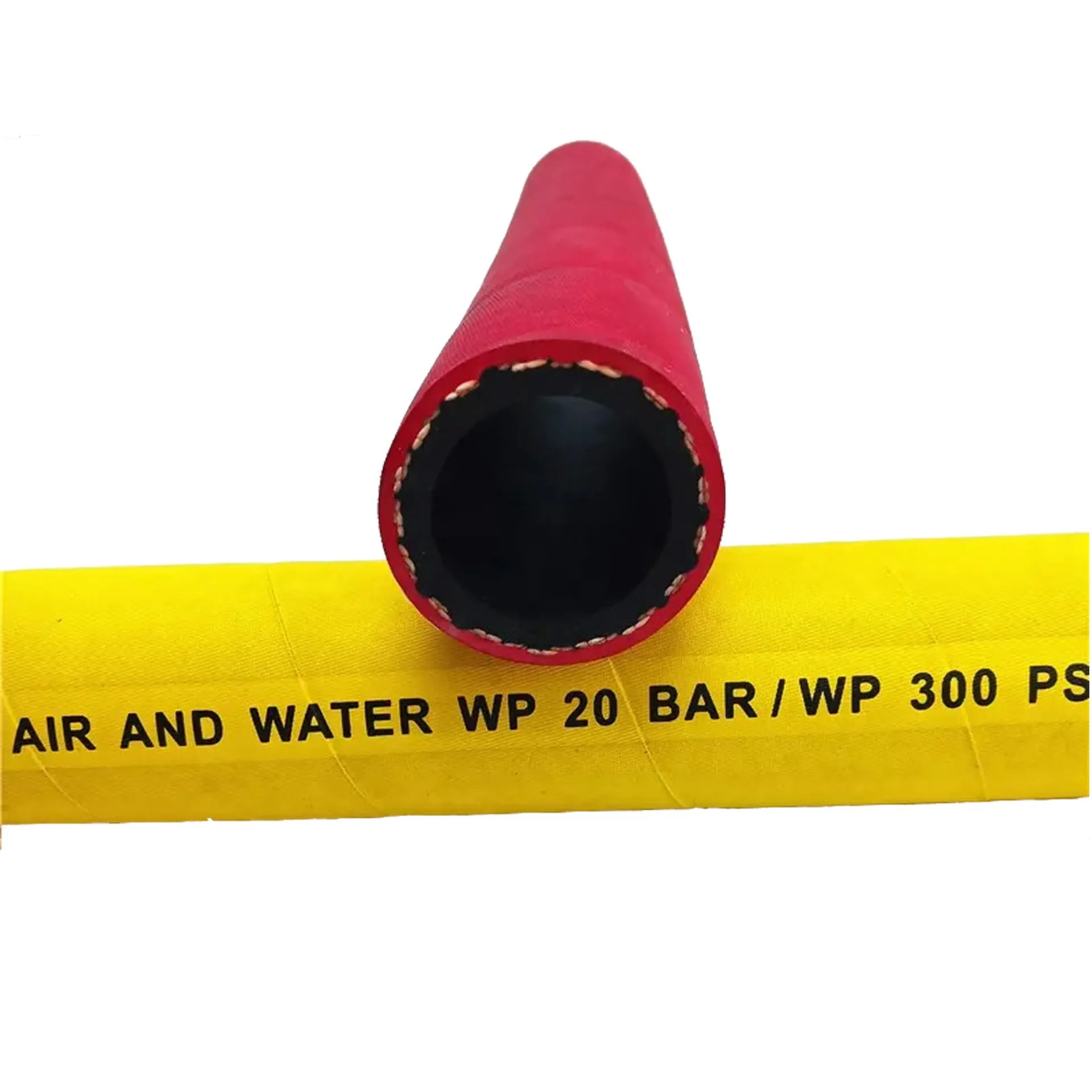
The construction of LPG flexible gas hoses typically involves multiple layers, each contributing to specific performance characteristics. The inner layer, in direct contact with LPG, is usually formulated from a specialized rubber compound. Nitrile rubber (NBR) is commonly used due to its excellent resistance to oils, fuels, and LPG itself. However, the specific formulation often incorporates proprietary blends of polymers, plasticizers, and reinforcing fillers to optimize permeation resistance and flexibility at low temperatures. The reinforcement layer is crucial for pressure resistance and typically consists of a high-tensile strength textile braid – often polyester or aramid fiber. The number of braids and fiber denier directly impact the hose’s burst pressure. The outer cover provides protection against abrasion, weathering, and UV degradation. EPDM (Ethylene Propylene Diene Monomer) rubber is frequently used for the outer cover due to its superior weather resistance and ozone resistance. Manufacturing processes vary but generally involve extrusion of the inner and outer layers, followed by the application of the reinforcement braid. Critical parameters during extrusion include temperature control to prevent scorching or degradation of the rubber compounds, and precise dimensional control to ensure consistent wall thickness. The braiding process must ensure uniform coverage and tension distribution. Post-braiding, the hose undergoes curing (vulcanization) to crosslink the rubber polymers, enhancing their strength, elasticity, and chemical resistance. Quality control measures at each stage – raw material inspection, in-process dimensional checks, and final pressure testing – are paramount.
Performance & Engineering
The performance of an LPG flexible gas hose is dictated by several key engineering considerations. Burst pressure, defined as the pressure at which the hose fails catastrophically, is a primary safety parameter. Working pressure is significantly lower, typically a fraction of the burst pressure, and represents the maximum allowable operating pressure. Tensile strength, both of the rubber compounds and the reinforcement braid, governs the hose’s ability to withstand mechanical stresses. Elongation at break indicates the hose’s flexibility and ability to accommodate movement without failure. Permeation rate, the rate at which LPG molecules diffuse through the hose wall, is a critical safety concern. High permeation rates can lead to flammable vapor leaks. This is directly related to the polymer blend and wall thickness of the inner layer. Temperature resistance is also crucial, as LPG hoses are often exposed to a wide range of temperatures. The rubber compounds must maintain their flexibility and integrity at both low and high temperatures. Environmental resistance encompasses UV exposure, ozone exposure, and resistance to various chemicals encountered in the operating environment. Force analysis, including bending radius and fatigue testing, is vital to ensure the hose can withstand repeated flexing and movement without cracking or degradation. Compliance requirements, dictated by national and international standards (detailed in the footer), mandate specific performance criteria and testing protocols.
Technical Specifications
| Parameter | Unit | Typical Value | Testing Standard |
|---|---|---|---|
| Working Pressure | bar | 16 | EN ISO 1498 |
| Burst Pressure | bar | 48 | EN ISO 1498 |
| Tensile Strength (Reinforcement) | MPa | 1500 | ISO 527-1 |
| Permeation Rate (LPG) | cm³/m²/day | < 5 | ISO 2747 |
| Temperature Range | °C | -40 to +85 | ASTM D2000 |
| Inner Diameter | mm | 6.3 - 19.0 | Customer Specification |
Failure Mode & Maintenance
LPG flexible gas hoses are susceptible to several failure modes. Fatigue cracking, induced by repeated flexing and movement, is a common cause of failure, particularly near the connections. This often initiates at stress concentration points. Permeation-induced degradation can cause the rubber compounds to swell and become brittle over time, reducing their flexibility and increasing the risk of leaks. Oxidation, especially at elevated temperatures, can lead to hardening and cracking of the rubber. Chemical attack from external contaminants can also degrade the rubber compounds. Delamination, the separation of the layers, can occur due to poor adhesion between the rubber and the reinforcement braid. Failure analysis typically involves visual inspection, microscopic examination of fracture surfaces, and chemical analysis to identify the root cause of failure. Maintenance primarily focuses on regular visual inspection for signs of cracking, swelling, or abrasion. Connections should be checked for tightness and corrosion. Hoses should be replaced immediately if any damage is detected. Avoid sharp bends or kinks, which can induce stress concentrations. Do not expose the hose to incompatible chemicals or extreme temperatures. Follow the manufacturer’s recommended replacement schedule, even if no visible damage is present.
Industry FAQ
Q: What is the significance of the reinforcement braid material (polyester vs. aramid) in LPG hose performance?
A: Aramid fiber braids offer significantly higher tensile strength and temperature resistance compared to polyester braids. This translates to a higher burst pressure and improved performance in high-temperature applications. However, aramid is generally more expensive. Polyester is sufficient for many standard LPG applications where temperature and pressure requirements are moderate.
Q: How does permeation rate affect the safety of an LPG hose?
A: Higher permeation rates increase the risk of LPG leakage, creating a flammable and potentially explosive atmosphere. Regulatory standards specify maximum permissible permeation rates to ensure safety. The inner layer material and thickness are the primary determinants of permeation rate.
Q: What are the critical considerations when selecting a hose for automotive LPG fuel systems?
A: Automotive LPG hoses must withstand significant vibration, temperature fluctuations, and exposure to automotive fluids. They also require excellent resistance to fuel permeation and aging. Compliance with automotive industry standards (e.g., SAE J30R7) is crucial.
Q: What is the impact of improper hose assembly (crimping or tightening) on performance and safety?
A: Improper assembly can compromise the integrity of the hose connections, leading to leaks or premature failure. Over-tightening can damage the hose and fittings, while under-tightening can allow for leakage. Using the correct tools and following the manufacturer’s instructions is essential.
Q: Can UV exposure degrade the performance of an LPG hose, and if so, how can this be mitigated?
A: Prolonged UV exposure can cause the outer cover to degrade, leading to cracking and loss of flexibility. Using an EPDM outer cover with UV stabilizers can significantly improve UV resistance. Additionally, sheltering the hose from direct sunlight whenever possible is recommended.
Conclusion
LPG flexible gas hoses are engineered safety-critical components requiring careful material selection, precise manufacturing control, and rigorous performance testing. Understanding the interplay between material properties, manufacturing processes, and operational conditions is crucial for ensuring long-term reliability and preventing catastrophic failures. The selection of appropriate hose materials and construction techniques must be tailored to the specific application requirements, considering factors such as pressure, temperature, chemical exposure, and mechanical stresses.
Continued advancements in polymer technology and manufacturing processes are driving improvements in hose performance, particularly in permeation resistance and durability. Adherence to international standards and best practices in quality control are essential for maintaining a consistently high level of safety and reliability. Regular inspection and adherence to recommended maintenance schedules are vital for maximizing the service life of LPG flexible gas hoses and minimizing the risk of accidents.