
Apr . 01, 2024 17:55 Back to list
oem hydraulic industrial hose factory Performance Analysis
Introduction
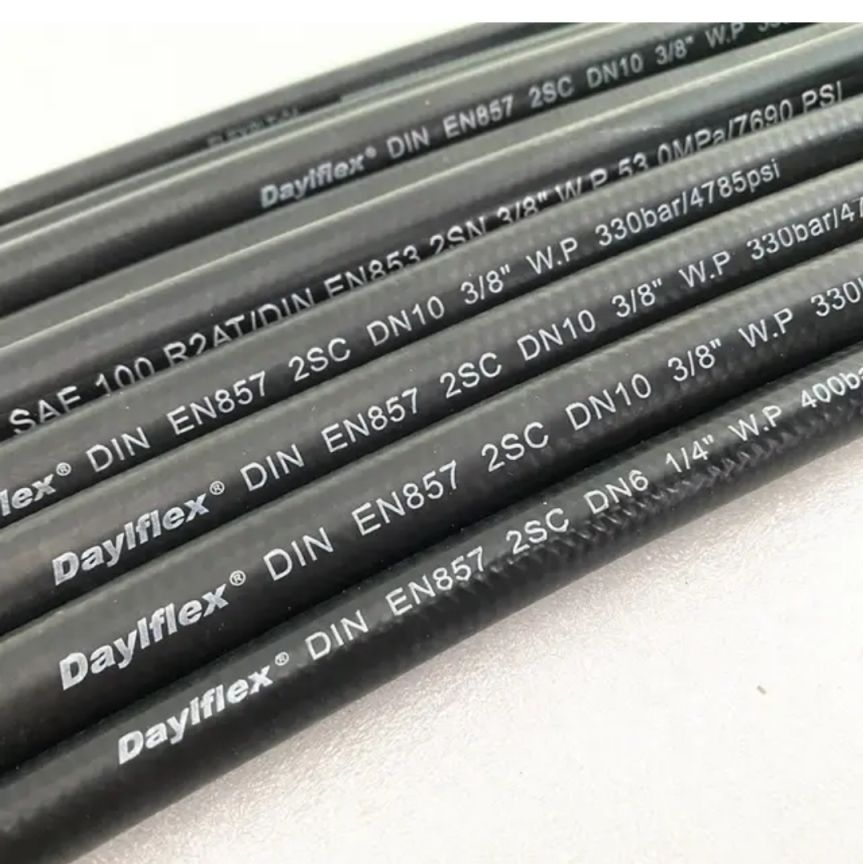
OEM hydraulic industrial hoses are engineered conduits designed to transmit hydraulic fluid power in a wide range of industrial applications. Positioned as a critical component within hydraulic systems, these hoses bridge the gap between stationary hydraulic pumps/reservoirs and mobile or remote actuators and tools. Their performance directly impacts system efficiency, reliability, and safety. The OEM designation signifies these hoses are manufactured to precise specifications for integration into larger equipment builds, differing from standard, off-the-shelf hoses in terms of customization and rigorous quality control. Core performance characteristics include pressure capacity, temperature resistance, fluid compatibility, and resistance to abrasion and environmental degradation. A key industry pain point lies in selecting hose assemblies capable of consistently performing under demanding conditions – particularly in high-temperature, high-pressure, and chemically aggressive environments – while maintaining dimensional stability and preventing premature failure. Further challenges include ensuring consistent manufacturing quality across large-volume orders and meeting stringent industry safety regulations.
Material Science & Manufacturing
Hydraulic hoses are typically constructed from several key material layers. The innermost layer, the tube, is commonly composed of synthetic rubbers like Nitrile (NBR), Ethylene Propylene Diene Monomer (EPDM), or Fluorocarbon (FKM/Viton), selected for their compatibility with specific hydraulic fluids. NBR offers good resistance to petroleum-based fluids, EPDM excels in phosphate ester compatibility, and FKM provides broad chemical resistance and high-temperature performance. The reinforcement layer provides the hose’s pressure resistance, typically using high-tensile steel wire (single or multi-spiral), textile braids (aramid or polyester), or a combination of both. Steel wire offers superior pressure capacity, while textile braids provide flexibility. The outer cover, usually a synthetic rubber like Chloroprene (CR) or Polyurethane (PU), provides abrasion resistance, weather protection, and resistance to oil and ozone. Manufacturing processes vary based on hose type. Braided hoses are created by interlacing reinforcing fibers around the inner tube, followed by the application of the outer cover and vulcanization. Spiral-wound hoses involve wrapping high-tensile steel wire in a continuous spiral around the inner tube, providing significantly higher pressure capabilities. Key parameter control during manufacturing includes precise rubber compound mixing ratios, consistent wire winding tension, proper vulcanization time and temperature (critical for achieving optimal rubber properties), and meticulous quality checks for dimensional accuracy and defect detection. Maintaining consistent batch-to-batch material properties is essential for reliable performance.
Performance & Engineering
Hydraulic hose performance is governed by several critical engineering considerations. Burst pressure, working pressure, and safety factor are paramount. Burst pressure represents the maximum pressure the hose can withstand before failure, while working pressure is the maximum continuous operating pressure, typically determined as a fraction of the burst pressure (often 4:1 or 5:1 safety factor). Temperature extremes significantly affect hose performance, reducing pressure capacity and accelerating material degradation. Hose bend radius must be carefully considered to prevent kinking and internal damage, which can lead to reduced flow and eventual failure. Fluid compatibility is crucial; incompatible fluids can cause swelling, softening, or cracking of the inner tube. Environmental resistance, including ozone, UV radiation, and chemical exposure, must be accounted for, particularly in outdoor applications. Force analysis considers tensile strength (resistance to stretching), elongation at break (measure of ductility), and fatigue resistance (ability to withstand repeated pressure cycles). Compliance requirements depend on the application and geographical location, often governed by standards such as SAE J517 (hydraulic hose performance), ISO 6898 (hydraulic systems – hoses), and EN 856 (hydraulic hoses). Proper hose assembly, including selecting the correct fittings and ensuring proper crimping, is vital for maintaining performance and preventing leaks.
Technical Specifications
| Parameter | SAE 100R2 AT | SAE 100R6 | DIN EN 856 4SP | DIN EN 856 4SH |
|---|---|---|---|---|
| Working Pressure (PSI) | 1200 | 2250 | 2100 | 3300 |
| Burst Pressure (PSI) | 4800 | 9000 | 8400 | 13200 |
| Temperature Range (°F) | -40 to +212 | -40 to +212 | -40 to +212 | -40 to +212 |
| Inner Tube | NBR | NBR | NBR | NBR |
| Reinforcement | Two Steel Wire Braids | Four Steel Wire Braids | Four Steel Wire Spirals | Six Steel Wire Spirals |
| Outer Cover | CR | CR | CR | CR |
Failure Mode & Maintenance
Hydraulic hose failure can manifest in various forms. Fatigue cracking occurs due to repeated pressure cycles, initiating at stress concentration points (e.g., fitting junctions). Pinholes and localized tube degradation can result from incompatible fluids or internal corrosion. Abrasion damage occurs due to external contact with abrasive surfaces. Kinking, caused by excessive bending, restricts flow and weakens the hose structure. Blowouts occur when the hose exceeds its pressure rating. Delamination separates the layers of the hose, leading to loss of pressure containment. Oxidation causes rubber hardening and cracking, reducing flexibility and increasing the risk of failure. Maintenance strategies include regular visual inspections for signs of wear, abrasion, or leakage. Hose assemblies should be replaced at predetermined intervals based on operating conditions and manufacturer recommendations. Proper storage in a cool, dry environment away from UV light and ozone sources is essential. Hose assemblies should be flushed periodically to remove contaminants. When replacing hoses, it’s crucial to use compatible fittings and ensure correct crimping procedures are followed. Implementing a preventative maintenance program and maintaining detailed records of hose replacements can significantly reduce downtime and improve system reliability.
Industry FAQ
Q: What is the significance of the hose ‘dash size’ and how does it relate to flow rate?
A: The hose 'dash size' (e.g., -4, -6, -8) refers to the inner diameter of the hose in sixteenths of an inch. A -8 hose has an inner diameter of 8/16ths or 1/2 inch. Larger dash sizes correlate with higher flow rates, but also with increased rigidity and cost. Choosing the correct dash size is critical to ensure adequate flow without excessive pressure drop, based on the system’s flow requirements and operating pressure.
Q: How do I determine the correct working pressure for a hydraulic hose application?
A: The working pressure should be determined by the maximum system pressure, including any pressure spikes or surges. It's crucial to select a hose with a working pressure significantly higher than the maximum system pressure, typically with a 4:1 or 5:1 safety factor. Consider the operating temperature, as pressure ratings decrease with increasing temperature.
Q: What is the difference between a braided hose and a spiral-wound hose?
A: Braided hoses utilize multiple layers of interwoven reinforcing fibers (steel or textile), offering good flexibility and moderate pressure capacity. Spiral-wound hoses consist of a continuous steel wire wound in a spiral around the inner tube, providing significantly higher pressure capabilities but reduced flexibility. Spiral-wound hoses are ideal for high-pressure applications while braided hoses are better suited for applications requiring frequent bending.
Q: What impact does hydraulic fluid type have on hose selection?
A: Hydraulic fluid compatibility is paramount. Different fluids require different inner tube materials. Petroleum-based fluids are generally compatible with NBR, while phosphate ester fluids require EPDM. Using an incompatible fluid can cause the inner tube to swell, soften, or crack, leading to premature failure. Always consult a fluid compatibility chart before selecting a hose.
Q: How important is proper hose assembly and crimping?
A: Proper hose assembly and crimping are absolutely critical. Incorrect crimping can lead to leaks, premature failure, or even catastrophic hose rupture. Fittings must be compatible with the hose material and the hydraulic fluid. Crimping must be performed using a calibrated crimping machine and the correct die set, ensuring a secure and leak-proof connection.
Conclusion
OEM hydraulic industrial hoses represent a vital, often understated, component in countless industrial applications. Their selection and implementation demand a thorough understanding of material science, manufacturing processes, performance engineering, and relevant industry standards. Prioritizing pressure capacity, temperature resistance, fluid compatibility, and environmental protection is fundamental to ensuring system reliability and minimizing downtime.
Continuous advancements in hose technology are focused on developing lighter, more durable, and more chemically resistant hoses. Future trends include the adoption of smart hose technology incorporating sensors for real-time monitoring of pressure, temperature, and leakage, enabling predictive maintenance and enhanced safety. Investing in high-quality hose assemblies and implementing robust maintenance programs is crucial for optimizing performance and extending the lifespan of hydraulic systems.