
Apr . 01, 2024 17:55 Back to list
oem hydraulic hose suppliers Performance Analysis
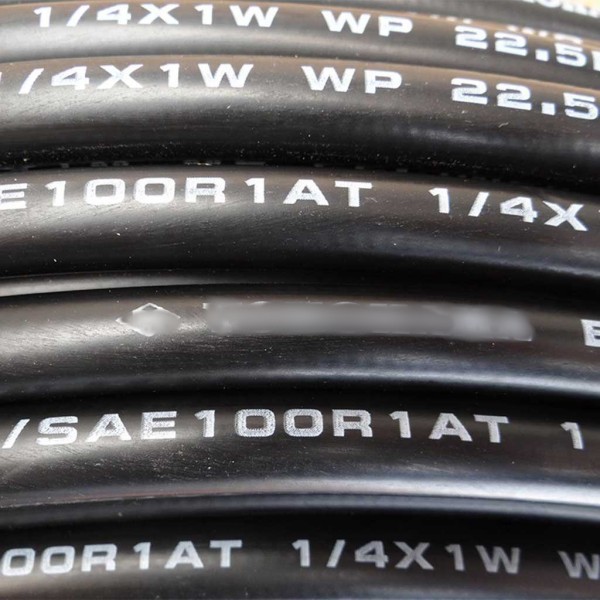
Introduction
OEM hydraulic hoses are critical components in a diverse range of industrial applications, spanning construction machinery, agricultural equipment, material handling systems, and manufacturing processes. These hoses are engineered to reliably transmit hydraulic fluid under high pressure, facilitating the operation of hydraulic cylinders, motors, and other actuators. Unlike standard hoses, OEM (Original Equipment Manufacturer) hoses are typically designed and manufactured to precise specifications dictated by the equipment manufacturer, ensuring compatibility, performance, and longevity within a specific system. The industry faces persistent challenges relating to hose lifespan, particularly in demanding environments, and ensuring consistent quality across varied production volumes. This guide provides an in-depth technical overview of OEM hydraulic hoses, covering material science, manufacturing processes, performance characteristics, failure modes, and relevant industry standards, aimed at procurement managers, engineers, and quality control personnel.
Material Science & Manufacturing
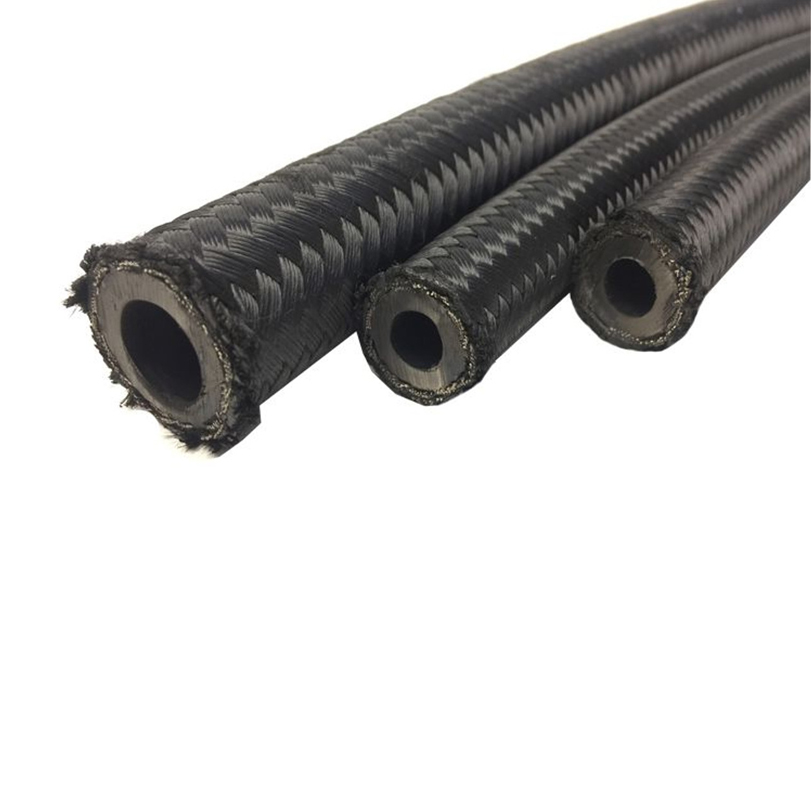
The core material of a hydraulic hose is typically a synthetic rubber compound, chosen for its flexibility, pressure resistance, and fluid compatibility. Common rubber compounds include nitrile rubber (NBR) for petroleum-based fluids, ethylene propylene diene monomer (EPDM) for phosphate ester fluids, and fluoroelastomers (FKM/Viton) for high-temperature and chemically aggressive environments. The reinforcement layer is crucial for withstanding internal pressure and preventing hose bursting. This layer commonly consists of multiple plies of high-tensile steel wire, spirally wound or braided. Textile reinforcement, utilizing polyester or aramid fibers, can be employed in lower-pressure applications. The cover layer provides abrasion and weather resistance and is typically constructed from synthetic rubber like polyurethane or chlorinated polyethylene (CPE). Manufacturing processes involve several critical steps: inner tube extrusion, reinforcement application (braiding or spiraling), and outer cover extrusion. Precise control of extrusion temperatures, curing times, and reinforcement tension are essential. Post-processing steps include dimensional inspection, pressure testing (to several times the working pressure), and leak testing. A critical manufacturing parameter is the helix angle of the wire reinforcement, which directly impacts the hose's flexibility and burst pressure. Improper angle control can lead to premature failure. The adhesion between the rubber compound and the steel wire is also a key factor; poor adhesion results in delamination under pressure.
Performance & Engineering
Hydraulic hose performance is governed by several key engineering principles. Burst pressure, working pressure, and safety factor are paramount. Working pressure is typically rated as 50-75% of the burst pressure, providing a safety margin. Hose bend radius is critical to avoid kinking and subsequent failure. Exceeding the minimum bend radius increases stress concentration and can lead to fatigue cracking. Impulse pressure resistance is particularly important in systems with reciprocating components (e.g., hydraulic hammers), requiring the hose to withstand repeated pressure spikes. The hose’s ability to maintain flexibility over a wide temperature range is also essential. Fluid compatibility must be meticulously considered; incompatible fluids can cause swelling, softening, or degradation of the rubber compound. Finite element analysis (FEA) is frequently used to model stress distribution within the hose under various loading conditions, optimizing reinforcement configuration and material selection. Compliance with industry standards like SAE J517 and EN 853 is crucial, specifying performance requirements for various hose types. Static and dynamic fatigue testing is also conducted to determine the hose's lifespan under cyclic loading. Furthermore, proper hose assembly, including the selection of compatible fittings and correct crimping procedures, is essential for ensuring leak-free operation and preventing premature failure.
Technical Specifications
| Parameter | Unit | SAE 100R2 AT | SAE 100R6 |
|---|---|---|---|
| Working Pressure | MPa | 31.5 | 21 |
| Burst Pressure | MPa | 105 | 63 |
| Temperature Range | °C | -40 to +100 | -40 to +100 |
| Reinforcement | - | Two Steel Wire Braid | Four Spiral Steel Wire |
| Inner Tube | - | NBR (Nitrile Rubber) | NBR (Nitrile Rubber) |
| Cover | - | CPE (Chlorinated Polyethylene) | CPE (Chlorinated Polyethylene) |
Failure Mode & Maintenance
Hydraulic hose failure can occur due to a variety of factors. Pinholing, caused by abrasion or damage to the outer cover, allows fluid leakage. Bursting results from exceeding the hose’s pressure limit or fatigue weakening of the reinforcement. Kinking, caused by exceeding the minimum bend radius, restricts flow and can lead to localized stress and rupture. Twisting induces internal stress and can cause hose distortion and eventual failure. Delamination, where the reinforcement layer separates from the rubber compound, significantly reduces pressure resistance. Oxidation and degradation of the rubber compound, caused by exposure to heat, ozone, or incompatible fluids, reduces flexibility and strength. Fitting failure, due to improper crimping or corrosion, is a common point of leakage. Maintenance practices include regular visual inspection for signs of damage (cracks, abrasions, bulges), checking for leaks, ensuring proper hose routing and support to prevent kinking and abrasion, and verifying compatibility of the hose with the hydraulic fluid. Preventative replacement schedules, based on operating conditions and hose usage, are crucial. When replacing a hose, ensure the new hose meets or exceeds the original specifications and that fittings are properly crimped using calibrated equipment. Contamination of the hydraulic fluid can also accelerate hose degradation, emphasizing the importance of regular fluid filtration.
Industry FAQ
Q: What is the impact of impulse pressure on hose life and how is it mitigated?
A: Impulse pressure, or pressure pulsations, significantly reduces hose life by causing fatigue failure in the reinforcement layer. Mitigation strategies include selecting hoses specifically designed for high-impulse applications (often featuring specialized reinforcement constructions), using pulsation dampeners in the hydraulic system, and ensuring proper hose support to minimize vibration. Regular inspection for signs of fatigue, such as localized swelling or cracking, is also crucial.
Q: How does temperature affect hydraulic hose performance and what temperature ranges are typical?
A: Temperature affects the rubber compound's flexibility and strength. High temperatures accelerate degradation and reduce pressure resistance, while low temperatures can cause the hose to stiffen and become more susceptible to cracking. Typical operating temperature ranges for hydraulic hoses are -40°C to +100°C, but specific ranges depend on the rubber compound used. Using a hose rated for the operating temperature is paramount.
Q: What is the importance of proper hose assembly, specifically crimping?
A: Proper hose assembly, particularly crimping, is critical for a leak-free and reliable connection. Incorrect crimping can lead to fitting slippage, deformation of the hose, and eventual failure. The crimp must create a secure mechanical bond between the fitting and the hose without damaging the reinforcement. Calibrated crimping machines and appropriately sized dies are essential.
Q: What are the key considerations when selecting a hose material for different hydraulic fluids?
A: Fluid compatibility is paramount. NBR is suitable for petroleum-based fluids, EPDM for phosphate ester fluids, and FKM/Viton for aggressive chemicals and high temperatures. Using an incompatible fluid can cause the rubber to swell, soften, or degrade, leading to premature failure. Always consult a fluid compatibility chart before selecting a hose.
Q: What are the common causes of hose delamination, and how can it be prevented?
A: Delamination, the separation of the reinforcement layer from the rubber compound, is often caused by inadequate adhesion during manufacturing, exposure to extreme pressures, or repeated flexing. Prevention includes stringent quality control during manufacturing to ensure proper adhesion, avoiding exceeding the hose's pressure rating, and providing adequate support to minimize flexing and vibration.
Conclusion
OEM hydraulic hoses represent a vital, yet often underestimated, component within complex hydraulic systems. Their reliable operation is intrinsically linked to meticulous material selection, rigorous manufacturing controls, and a deep understanding of operational stresses and environmental factors. The selection process requires careful consideration of working pressure, temperature range, fluid compatibility, and potential exposure to impulse pressures and abrasive environments.
Proactive maintenance, including regular inspections and adherence to preventative replacement schedules, is essential for maximizing hose lifespan and minimizing downtime. By prioritizing these technical aspects, OEMs and end-users can significantly enhance the performance, safety, and longevity of hydraulic systems, reducing total cost of ownership and improving overall operational efficiency. Furthermore, compliance with established industry standards remains a non-negotiable requirement for ensuring quality and reliability.