
Apr . 01, 2024 17:55 Back to list
oem hydraulic hose factories Performance Analysis
Introduction
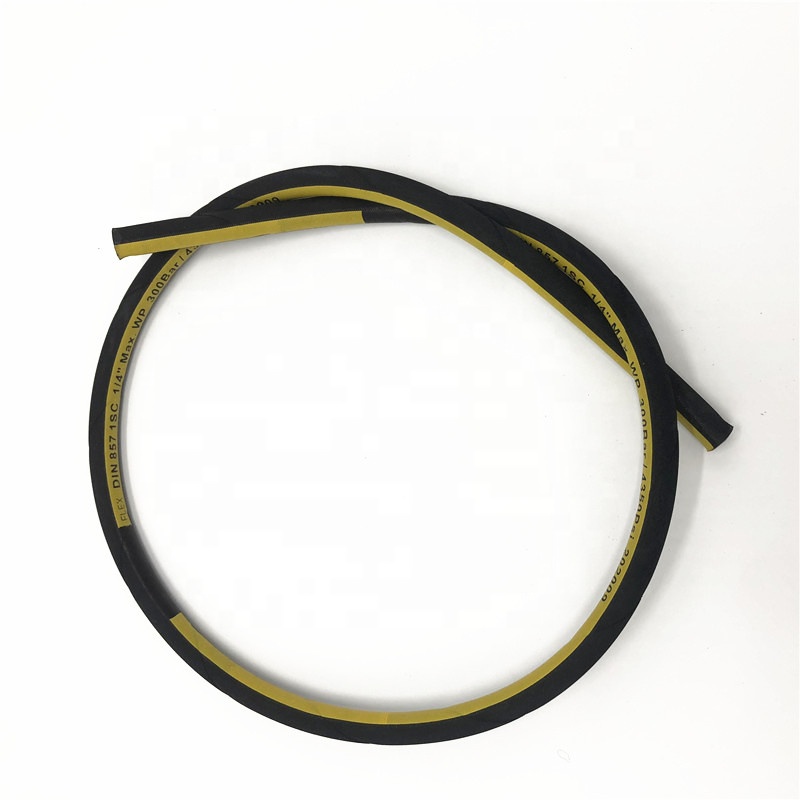
OEM hydraulic hose factories represent a critical tier in the fluid power systems supply chain. These facilities specialize in the manufacturing of hydraulic hoses to precise specifications dictated by Original Equipment Manufacturers (OEMs) across diverse industries including construction, agriculture, mining, and manufacturing. Unlike retail hose suppliers, OEM factories focus on volume production, stringent quality control, and adherence to bespoke engineering requirements. Core performance characteristics of hydraulic hoses – pressure rating, burst strength, temperature resistance, and fluid compatibility – are paramount, directly impacting system reliability and operational safety. A key pain point within the industry is balancing cost-efficiency with the need for consistently high performance, especially when dealing with increasingly demanding hydraulic system applications and novel fluid formulations. The selection of appropriate materials, precise manufacturing processes, and rigorous testing protocols are therefore essential to mitigate potential failures and ensure long-term system integrity.
Material Science & Manufacturing
Hydraulic hoses are typically constructed from multiple layers, each contributing specific performance characteristics. The inner tube, crucial for fluid compatibility, is commonly made from synthetic rubbers such as nitrile (NBR), ethylene propylene diene monomer (EPDM), or fluorocarbon (FKM – Viton). NBR provides excellent resistance to petroleum-based fluids, EPDM excels in phosphate ester hydraulic fluids, and FKM offers superior performance in aggressive chemicals and high temperatures. Reinforcement layers, responsible for pressure containment, typically consist of one or more braids or spirals of high-tensile steel wire. The number and orientation of these layers directly correlate to the hose’s working pressure capacity. An outer cover, often composed of chloroprene (CR) or polyurethane (PU), provides abrasion, ozone, and weathering resistance. Manufacturing processes vary based on hose type. Braided hoses involve helically winding steel wire around a central mandrel, while spiral-cut hoses use a continuous wire coil formed into a spiral. Extrusion is used for both the inner tube and outer cover. Critical parameters during manufacturing include temperature control during extrusion to ensure uniform rubber vulcanization, precise wire tension during braiding or spiraling to achieve target pressure ratings, and dimensional accuracy to guarantee proper fitting connection. Post-production testing includes burst pressure testing, impulse testing (simulating pressure pulsations), and leak testing to verify conformance to specifications.

Performance & Engineering
Hydraulic hose performance is dictated by several key engineering considerations. Burst pressure, exceeding the working pressure by a safety factor (typically 4:1), is a fundamental requirement. Impulse testing simulates the pressure surges generated by hydraulic pumps and valves, assessing the hose's ability to withstand cyclical loading without failure. Fatigue life, or the number of pressure cycles a hose can endure before failure, is a critical metric for applications involving continuous operation. Temperature resistance is also vital; extreme temperatures can degrade rubber compounds and reduce hose flexibility. Chemical compatibility must be rigorously assessed; incompatible fluids can cause swelling, softening, or cracking of the inner tube. Force analysis during hose bending is important to prevent kinking and subsequent hose failure. The bend radius should always adhere to manufacturer recommendations. Compliance requirements vary by region and industry. For example, SAE J517 (USA) and EN 856 (Europe) are common standards for hydraulic hose performance. Proper hose assembly, including the selection of compatible fittings and correct crimping procedures, is crucial. Incorrect crimping can lead to premature failure at the fitting connection.
Technical Specifications
| Hose Type | Working Pressure (PSI) | Burst Pressure (PSI) | Temperature Range (°F) |
|---|---|---|---|
| Two-Braid Hydraulic Hose | 2,250 | 9,000 | -40 to +212 |
| Four-Braid Hydraulic Hose | 3,000 | 12,000 | -40 to +212 |
| Spiral-Cut Hydraulic Hose | 4,500 | 18,000 | -40 to +212 |
| Thermoplastic Hydraulic Hose | 3,500 | 14,000 | -40 to +250 |
| Ultra-High Pressure Hose | 6,000 | 24,000 | -40 to +212 |
| Specialty Chemical Hose (FKM) | 2,000 | 8,000 | -40 to +275 |
Failure Mode & Maintenance
Hydraulic hose failures typically stem from several common modes. Fatigue cracking, particularly in braided hoses, arises from repeated flexing and pressure pulsations. Abrasion damage to the outer cover can expose reinforcement layers to corrosion. Kinking, resulting from excessive bending or insufficient bend radius, restricts fluid flow and can cause localized stress concentrations. Internal degradation due to incompatible fluids or aging rubber compounds leads to loss of flexibility and eventual cracking. Fitting failures often occur due to improper crimping or corrosion. Oxidation of the rubber compounds, accelerated by exposure to heat and ozone, results in hardening and cracking. Preventative maintenance is critical. Regular visual inspections should identify signs of abrasion, cracking, or leakage. Hoses should be replaced at recommended intervals, even if no visible damage is present. Fluid contamination can accelerate degradation; filtration is essential. Proper hose routing and support are crucial to minimize stress and abrasion. Correctly torqued fittings prevent leakage. When replacing hoses, always use compatible fittings and follow manufacturer’s crimping specifications. Documentation of hose replacement dates and inspection findings is recommended for tracking performance and identifying potential issues.
Industry FAQ
Q: What is the impact of synthetic lubricant selection on hydraulic hose lifespan?
A: Synthetic lubricant selection significantly impacts hydraulic hose lifespan. Incompatible fluids can cause the inner tube to swell, soften, or crack, leading to premature failure. For instance, using a petroleum-based fluid in a hose designed for phosphate ester fluids will cause rapid degradation. Always verify fluid compatibility with the hose manufacturer’s specifications before use. Proper fluid analysis and filtration are also critical to maintaining lubricant integrity and extending hose life.
Q: How does impulse pressure affect hose selection and what testing is performed?
A: Impulse pressure, the cyclical pressure fluctuations caused by pumps and valves, is a significant stressor for hydraulic hoses. Higher impulse pressures require hoses with more robust reinforcement layers and greater fatigue resistance. Testing involves subjecting hoses to repeated pressure cycles at specified frequencies and amplitudes to assess their ability to withstand this stress without failure. SAE J517 and EN 856 standards outline specific impulse testing procedures.
Q: What are the key considerations when choosing between braided and spiral-cut hoses?
A: Braided hoses are generally more flexible and suitable for applications with tighter bend radii. They are typically used for moderate pressure applications. Spiral-cut hoses offer higher pressure ratings and are better suited for applications with high flow rates and minimal pressure drop. Spiral construction provides greater resistance to kinking under pressure. The choice depends on the specific system requirements and operating conditions.
Q: What preventative measures can be taken to minimize hose abrasion in mobile equipment?
A: Hose abrasion is a common failure mode in mobile equipment. Implement several preventative measures: route hoses away from sharp edges and moving parts; utilize hose guards and sleeves to protect against abrasion; secure hoses properly to prevent excessive movement; inspect hoses regularly for wear and replace them promptly; and ensure proper hose routing to avoid rubbing against other components. Regular maintenance of equipment chassis and surrounding structures can also minimize abrasion hazards.
Q: What role does proper crimping play in hydraulic hose assembly and what are the potential consequences of incorrect crimping?
A: Proper crimping is paramount for ensuring a leak-free and reliable hose assembly. The crimp must create a secure connection between the hose and fitting without damaging the hose reinforcement layers. Incorrect crimping – under-crimping or over-crimping – can lead to leakage, fitting blow-off, or premature hose failure. Using the correct crimping die and following manufacturer’s specifications are essential. Regular calibration of crimping equipment is also critical.
Conclusion
The selection and maintenance of hydraulic hoses are critical aspects of ensuring the reliability and safety of fluid power systems. OEM hydraulic hose factories play a pivotal role in delivering hoses that meet stringent performance requirements and industry standards. Understanding the material science, manufacturing processes, and potential failure modes is essential for optimizing hose life and preventing costly downtime. Careful consideration of factors such as pressure rating, temperature range, fluid compatibility, and environmental conditions is paramount in selecting the appropriate hose for each application.
Continued advancements in materials science and manufacturing techniques will undoubtedly lead to the development of more durable, high-performing, and chemically resistant hydraulic hoses. Implementing proactive preventative maintenance programs, coupled with a thorough understanding of hose specifications and best practices, remains the most effective strategy for maximizing system uptime and minimizing operational risks. Future trends likely include the development of smart hoses with integrated sensors for real-time condition monitoring and predictive maintenance capabilities.