
Apr . 01, 2024 17:55 Back to list
oem hydraulic hose crimping machine supplier Performance Engineering

Introduction
Hydraulic hose crimping machines are integral to the reliable operation of hydraulic systems across numerous industries, including construction, agriculture, manufacturing, and automotive. As an OEM hydraulic hose crimping machine supplier, our focus is on providing robust, precise, and adaptable solutions for the production of high-integrity hose assemblies. This guide details the technical aspects of these machines, encompassing material science, manufacturing processes, performance engineering, potential failure modes, and industry standards. The core performance revolves around achieving consistent and accurate crimp diameters and reductions, ensuring leak-proof connections vital for hydraulic fluid containment and system efficiency. A key pain point within the industry is maintaining consistent crimp quality across varying hose types and sizes, coupled with the need for minimizing downtime and maximizing machine lifespan. Therefore, understanding the nuances of die selection, pressure control, and machine maintenance is paramount for optimal performance.
Material Science & Manufacturing
The core construction of a hydraulic hose crimping machine centers around high-strength materials. Machine frames typically utilize hardened steel alloys (e.g., AISI 1045, 4140) chosen for their yield strength and resistance to deformation under extreme pressures. Crimping dies are manufactured from tool steels, frequently utilizing grades such as D2 or H13, which exhibit high wear resistance and hardenability. These dies are heat-treated to achieve Rockwell hardness values between 58-62 HRC, ensuring dimensional stability during repeated crimping cycles. The hydraulic system components—cylinders, pumps, and valves—demand materials compatible with hydraulic fluids, often utilizing case-hardened steel alloys and nitrile rubber seals. Manufacturing processes include CNC machining for precision component fabrication, precision grinding for die surfaces, and thermal treatments to optimize material properties. Key parameter control includes maintaining tight tolerances on die dimensions (±0.025mm) and ensuring consistent heat treatment profiles. The quality of the hydraulic fluid used is also critical; contamination can lead to corrosion and premature wear of internal components. Furthermore, the assembly process requires meticulous alignment of hydraulic cylinders and precise calibration of pressure sensors to ensure accurate crimping force application. Welding processes, where applicable (e.g., frame construction), must adhere to AWS D1.1 standards for structural welding.
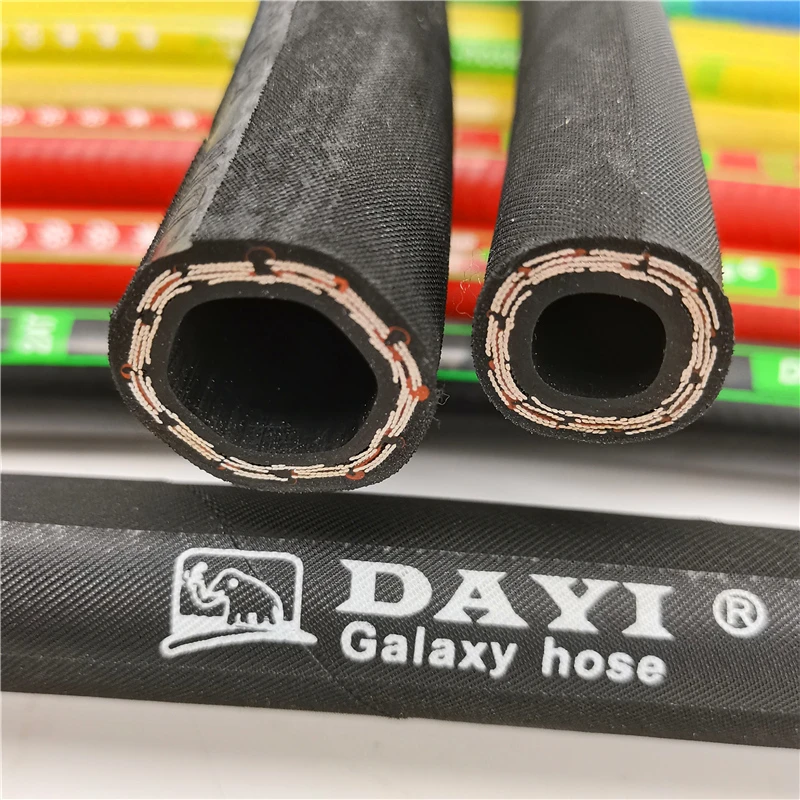
Performance & Engineering
The performance of a hydraulic hose crimping machine is dictated by its ability to consistently deliver the required crimp force and achieve the correct hose reduction percentage. Force analysis involves calculating the required tonnage based on hose diameter, wall thickness, and material properties (durometer, tensile strength). Environmental resistance is a crucial factor, especially in outdoor applications. Machines are typically designed to operate within a temperature range of 5°C to 40°C, with appropriate sealing to prevent ingress of dust and moisture (IP65 rating is common). Compliance requirements vary by region but generally include adherence to safety standards such as ISO 12100 (safety of machinery) and compliance with local electrical safety regulations (e.g., UL, CE). Functional implementation involves a closed-loop hydraulic system controlled by a programmable logic controller (PLC). The PLC monitors pressure sensors and adjusts valve operation to maintain precise crimping force. Die selection is critical; incorrect die selection can result in over-crimping (damaging the hose) or under-crimping (leading to leaks). Strain gauges are often incorporated into higher-end machines to provide real-time feedback on crimp deformation. The structural integrity of the machine frame is validated through finite element analysis (FEA) to ensure it can withstand the cyclical stresses imposed during operation. Proper lubrication of moving parts is also paramount for minimizing friction and wear.
Technical Specifications
| Parameter | Unit | Range/Value | Tolerance |
|---|---|---|---|
| Crimping Force | kN | 50-300 | ±5% |
| Hose Outer Diameter Capacity | mm | 6-51 | ±0.5 |
| Crimping Die Angle | degrees | 8, 12, 18 | ±1 |
| Cycle Time | seconds | 10-20 | N/A |
| Hydraulic Pump Capacity | L/min | 5-15 | ±10% |
| Power Supply | V/Hz/Ph | 380/50/3 | ±5% |
Failure Mode & Maintenance
Common failure modes in hydraulic hose crimping machines include die cracking (due to excessive force or material fatigue), cylinder seal failure (leading to pressure loss), pump cavitation (caused by air ingestion or low fluid levels), and electrical component failure (PLC, sensors). Fatigue cracking in the frame can occur over time due to cyclical stresses. Delamination of die surfaces is also a concern, especially with improper maintenance. Oxidation of hydraulic fluid can lead to corrosion and reduced system efficiency. Preventative maintenance is critical and includes regular inspection of dies for cracks or wear, replacement of hydraulic fluid (every 6-12 months), lubrication of moving parts, and calibration of pressure sensors. Die storage is crucial – dies should be protected from corrosion and impact damage. Regularly check hydraulic fluid levels and filter condition. Inspect electrical connections for looseness or corrosion. A comprehensive maintenance schedule should be followed, outlining specific tasks and intervals. In the event of a failure, a thorough failure analysis (using techniques like fractography) should be conducted to determine the root cause and prevent recurrence. Replacement parts should always meet OEM specifications.
Industry FAQ
Q: What is the impact of die misalignment on crimp quality?
A: Die misalignment introduces uneven pressure distribution during crimping, resulting in elliptical or inconsistent crimps. This can lead to reduced hose burst pressure, premature failure, and leakage. Regular die inspection and alignment are essential.
Q: How does hose material affect crimp force requirements?
A: Different hose materials (rubber, thermoplastic, composite) have varying tensile strengths and elastic properties. Thermoplastic hoses generally require higher crimp forces compared to rubber hoses of the same size and wall thickness.
Q: What are the key considerations for selecting the appropriate crimp die?
A: Die selection depends on hose diameter, wall thickness, and material. Using the wrong die can lead to over-crimping, damaging the hose reinforcement, or under-crimping, resulting in leaks. Die charts provided by hose manufacturers should be consulted.
Q: What is the role of the PLC in a modern hydraulic hose crimping machine?
A: The PLC controls the entire crimping cycle, monitoring pressure sensors, controlling valve operation, and ensuring precise crimp force application. It also provides diagnostic information and allows for programmable parameters.
Q: How often should hydraulic fluid be changed, and what type of fluid is recommended?
A: Hydraulic fluid should be changed every 6-12 months, depending on operating conditions. The recommended fluid type is typically a high-viscosity, anti-wear hydraulic oil compliant with ISO VG 46 or VG 68 standards. Consult the machine's operator manual for specific recommendations.
Conclusion
Hydraulic hose crimping machines are sophisticated pieces of equipment requiring a thorough understanding of material science, manufacturing principles, and performance engineering. Maintaining consistent crimp quality relies on precise control of parameters such as crimp force, die selection, and machine calibration. Proactive preventative maintenance is essential to minimize downtime, prevent catastrophic failures, and ensure the longevity of the machine.
Future advancements in this technology will likely focus on automation, improved sensor technology for real-time crimp monitoring, and the development of more durable and wear-resistant die materials. Adherence to international standards and best practices is crucial for ensuring both operator safety and the production of reliable, high-performance hose assemblies.