
Apr . 01, 2024 17:55 Back to list
oem hydraulic hose coupling factory Performance Analysis
Introduction
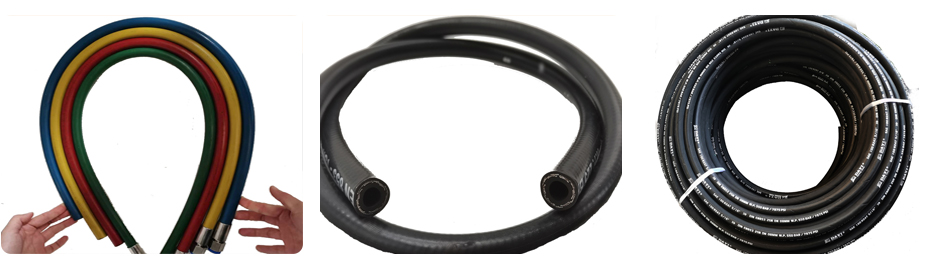
Hydraulic hose couplings, manufactured by OEMs, represent a critical component within fluid power systems, enabling the secure and leak-free connection of hydraulic hoses to equipment. These couplings are not merely connectors; they are engineered interfaces designed to withstand extreme pressures, temperatures, and dynamic stresses inherent in hydraulic applications across diverse industries – including construction, agriculture, manufacturing, and aerospace. OEM hydraulic hose coupling factories specialize in the design, production, and testing of these components, often offering customized solutions tailored to specific client requirements. Performance characteristics, including pressure rating, chemical compatibility, and fatigue life, dictate the suitability of a coupling for a given application. The industry's core challenge revolves around balancing cost-effectiveness with uncompromising reliability, particularly as systems operate with increasingly stringent safety standards and demand higher performance.
Material Science & Manufacturing
The performance of hydraulic hose couplings is fundamentally linked to the materials used in their construction. Common materials include carbon steel (ASTM A519, offering high tensile strength), alloy steel (4140, providing enhanced toughness and wear resistance), stainless steel (316, for corrosion resistance in harsh environments), and brass (for specific fluid compatibility and lower pressure applications). The manufacturing process typically begins with raw material selection and rigorous inspection to ensure adherence to material specifications. Coupling bodies are often formed via cold forging or hot forging, followed by machining to achieve precise dimensions and surface finishes. Critical dimensions, such as thread profiles (UNF, NPT) and sealing surface geometry, are tightly controlled. Seals, vital for leak prevention, are typically composed of nitrile rubber (NBR), fluorocarbon rubber (FKM/Viton), or ethylene propylene diene monomer (EPDM), chosen based on fluid compatibility and temperature range. Manufacturing processes impacting coupling integrity include heat treatment (for hardening and stress relief), surface plating (for corrosion protection – zinc, nickel), and non-destructive testing (NDT) methods like magnetic particle inspection (MPI) and ultrasonic testing (UT) to detect internal flaws. Parameter control during heat treatment is paramount; improper quenching or tempering can compromise material strength and ductility. Chemical composition analysis, via techniques like Optical Emission Spectroscopy (OES), is routinely performed to verify material conformity.
Performance & Engineering
Hydraulic hose coupling performance hinges on its ability to withstand internal pressure, external loads, and cyclic fatigue. Force analysis, employing Finite Element Analysis (FEA), is routinely used during the design phase to optimize coupling geometry and minimize stress concentrations. Burst pressure testing, conducted according to SAE J518 standards, determines the coupling's maximum pressure capacity. Tensile strength testing (ASTM E8) verifies the material's resistance to fracture under axial load. Environmental resistance is assessed through salt spray testing (ASTM B117) to evaluate corrosion protection, and temperature cycling tests to simulate operational extremes. Compliance with industry standards – such as those from the Hydraulic Fluid Power Society (HFPS) and the Deutsches Institut für Normung (DIN) – is crucial. The selection of appropriate thread sealants (PTFE tape, liquid sealants) is essential to prevent leakage. Proper coupling installation, including correct torque application, is equally important; over-tightening can damage threads, while under-tightening risks leakage. Consideration must be given to fluid velocity within the coupling, as high velocities can induce erosion and cavitation. Dynamic applications require couplings with sufficient fatigue life to withstand continuous pressure fluctuations and vibration.
Technical Specifications
| Parameter | Unit | Standard Specification | Typical OEM Range |
|---|---|---|---|
| Maximum Working Pressure | PSI | SAE J518 | 1,000 – 10,000 |
| Burst Pressure | PSI | SAE J518 | 2,000 – 20,000 |
| Temperature Range | °F | SAE J518 | -40 to +250 |
| Thread Type | - | UNF, NPT, BSP | UNF-7/16", NPT-1/4" |
| Material (Body) | - | ASTM A519, 4140 | Carbon Steel, Alloy Steel |
| Material (Seal) | - | ASTM D2000 | NBR, FKM/Viton |
Failure Mode & Maintenance
Hydraulic hose coupling failure can manifest in several ways. Fatigue cracking, particularly in high-cycle applications, is a common mode, often initiated at thread roots or stress concentrators. Corrosion, especially in environments with chlorides or other corrosive agents, can lead to pitting and weakening of the coupling material. Galvanic corrosion, occurring between dissimilar metals, can also accelerate degradation. Leakage, stemming from seal failure or damaged threads, is a frequent symptom of coupling deterioration. Over-tightening can strip threads, while under-tightening allows for fluid escape. Improper fluid compatibility can cause seal swelling, shrinking, or dissolution. Maintenance practices include regular visual inspection for signs of corrosion, cracks, or leakage. Torque verification, using a calibrated torque wrench, ensures proper clamping force. Periodic replacement of seals, based on manufacturer recommendations and operating conditions, prevents premature failure. Lubrication of threads during installation facilitates assembly and prevents galling. Should a coupling exhibit any signs of damage, it should be immediately removed from service and replaced. Failure analysis, employing techniques like fracture surface examination (SEM) and metallographic analysis, can identify the root cause of failure and inform preventative measures.
Industry FAQ
Q: What are the key differences between crimped and field-attachable hydraulic hose couplings?
A: Crimped couplings are permanently attached to the hose using a specialized crimping machine, providing maximum pressure rating and reliability. Field-attachable couplings, conversely, can be assembled on-site using hand tools, offering greater flexibility for repairs and modifications, but generally with a lower pressure capacity. Crimped couplings are preferred for critical applications, while field-attachable couplings are suitable for less demanding situations.
Q: How does material selection impact the chemical compatibility of a hydraulic hose coupling?
A: The coupling material and seal material must be compatible with the hydraulic fluid being used. For example, using a nitrile rubber (NBR) seal with phosphate ester fluids will result in rapid seal degradation. Stainless steel is often chosen for applications involving corrosive fluids, while carbon steel is suitable for mineral oil-based fluids. Careful consideration of fluid properties is crucial to prevent seal swelling, shrinking, or dissolution.
Q: What are the critical considerations for selecting the correct thread type for a hydraulic hose coupling?
A: The thread type must match the port on the equipment to which the hose will be connected. Common thread types include UNF (Unified National Fine), NPT (National Pipe Thread), and BSP (British Standard Pipe). Using an incorrect thread type can lead to leakage or damage to the port. Thread angle and pitch are critical parameters to verify.
Q: What are the best practices for torque application during hydraulic hose coupling installation?
A: Always use a calibrated torque wrench to apply the manufacturer's recommended torque specification. Over-tightening can strip threads, while under-tightening can cause leakage. Apply torque evenly across multiple tightening stages. Consider using a thread sealant compatible with the hydraulic fluid to enhance sealing performance.
Q: How do I interpret the pressure rating marked on a hydraulic hose coupling?
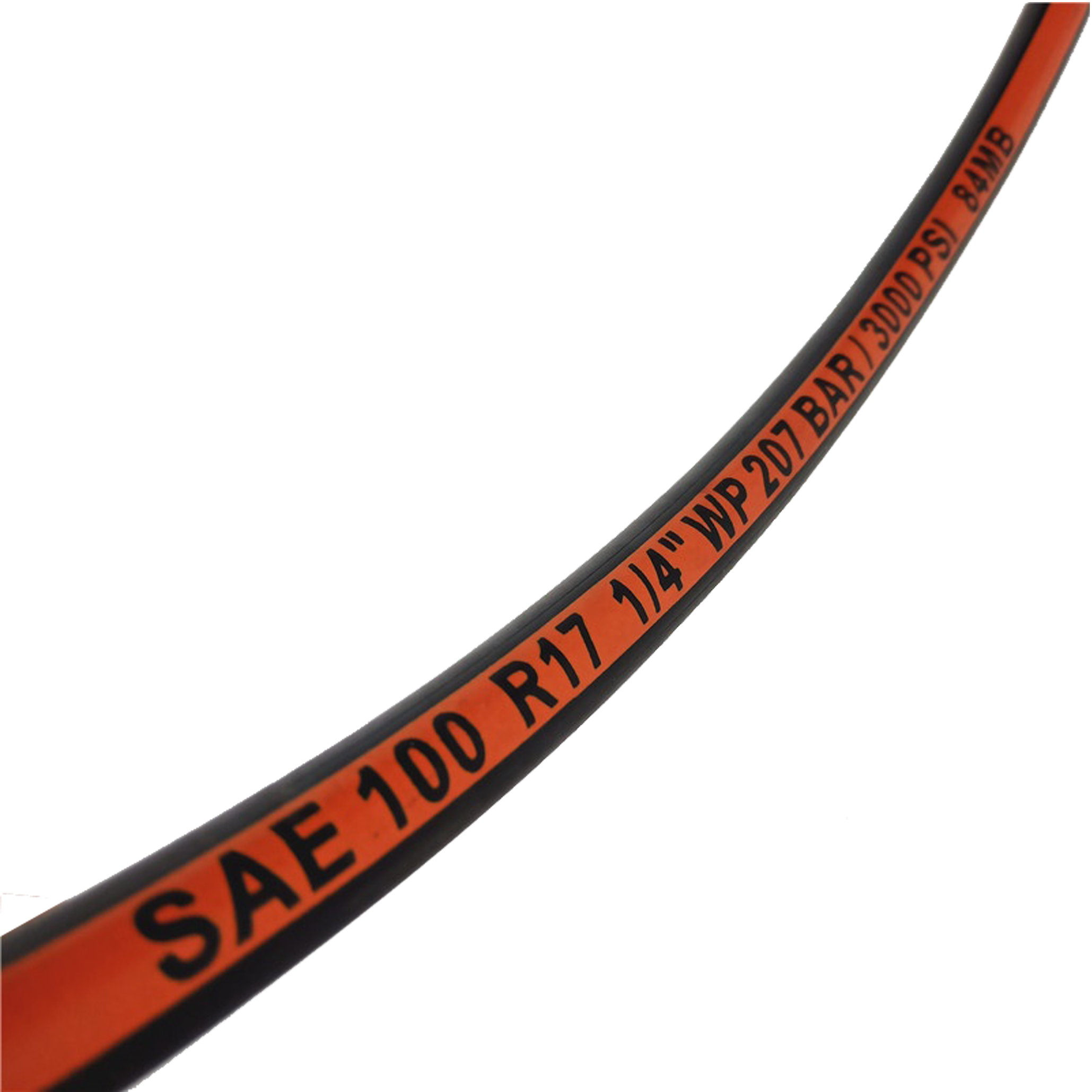
A: The pressure rating indicates the maximum pressure the coupling can safely withstand under static conditions. It's essential to ensure that the coupling's pressure rating exceeds the maximum system pressure, including any pressure surges or spikes. The rating is typically expressed in PSI or bar.
Conclusion
OEM hydraulic hose couplings are integral to the safe and efficient operation of hydraulic systems. Their design and manufacture demand careful attention to material science, manufacturing processes, and performance engineering. Understanding the critical parameters – pressure rating, temperature range, fluid compatibility, and thread type – is paramount for proper selection and installation. Implementing preventative maintenance practices, including regular inspection and torque verification, significantly extends coupling lifespan and minimizes the risk of catastrophic failure.
The ongoing trend towards higher operating pressures and increasingly demanding application environments necessitates continued innovation in hydraulic hose coupling technology. Future developments will likely focus on advanced materials, optimized coupling geometries, and enhanced sealing solutions to improve performance, reliability, and durability. Adherence to established industry standards, coupled with rigorous quality control, remains essential for ensuring the integrity of these critical components.

