
Apr . 01, 2024 17:55 Back to list
oem hydraulic hose coupling factories Performance Analysis

Introduction
OEM hydraulic hose coupling factories specialize in the manufacturing of connection components for hydraulic hose assemblies, serving a broad spectrum of industries including construction, agriculture, mining, automotive, and industrial machinery. These couplings, crucial for the safe and efficient transmission of hydraulic fluid, are rarely end-products themselves but are integral components within larger systems. The technical position of these factories lies at the interface between material science, precision machining, and fluid power engineering. Core performance characteristics center around pressure rating, leak-proof sealing, fatigue resistance under cyclical pressure, and compatibility with various hydraulic fluids. A primary industry pain point is maintaining consistent dimensional accuracy and surface finish to guarantee reliable sealing, alongside mitigating the risk of corrosion and material degradation, particularly in harsh operating environments. Selection is dictated by hose type (wire-braided, spiral-cut, etc.), fluid compatibility, operating pressure, temperature range, and applicable industry standards. The evolution of these factories is driven by demands for lighter weight, higher pressure ratings, and increasingly specialized coupling designs to accommodate novel hose constructions and fluid chemistries.
Material Science & Manufacturing
Hydraulic hose couplings are commonly manufactured from carbon steel (AISI 1045, 4140), stainless steel (304, 316), and alloy steels designed for high strength and corrosion resistance. Material selection is directly linked to the intended operating environment and the hydraulic fluid being used. Carbon steel offers high strength and is cost-effective but requires protective coatings (zinc plating, phosphate coating) to prevent corrosion. Stainless steel provides excellent corrosion resistance, critical for marine, chemical processing, and food-grade applications. Alloy steels are often used where both high strength and specific corrosion resistance are required. Manufacturing processes vary depending on the coupling type and material. Forging is frequently used for high-pressure couplings, providing superior grain structure and strength. Machining (CNC turning, milling, drilling) is essential for achieving precise dimensions and thread profiles. Heat treatment (hardening, tempering) is crucial for optimizing material properties, increasing wear resistance, and achieving desired hardness levels. For specialized couplings involving polymeric components (seals, retainers), injection molding with materials like nitrile rubber (NBR), ethylene propylene diene monomer (EPDM), or fluorocarbon elastomers (FKM/Viton) is employed. Parameter control during manufacturing is paramount. Thread accuracy (ISO 9646-1), surface roughness (Ra values for sealing surfaces), and material hardness are continuously monitored to ensure quality and prevent failures. Welding processes (TIG, MIG) are utilized for joining coupling components, requiring stringent control of weld parameters to prevent porosity and ensure structural integrity.
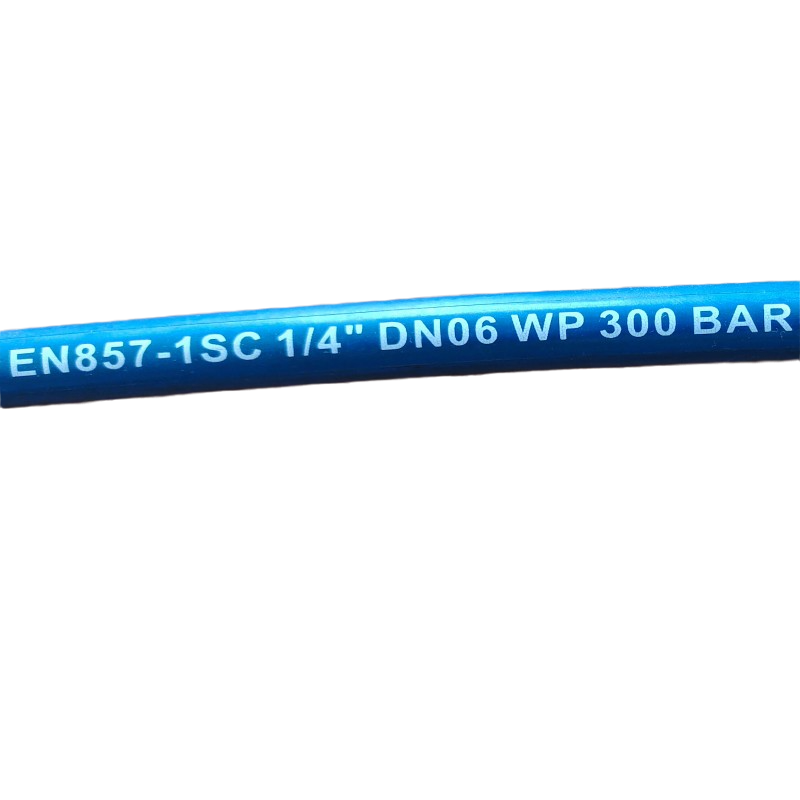
Performance & Engineering
The performance of hydraulic hose couplings is fundamentally governed by principles of fluid mechanics, stress analysis, and materials science. Force analysis focuses on hoop stress within the coupling body under internal pressure, thread stress during assembly, and bending moments induced by hose flexing. Couplings must withstand substantial pressure fluctuations and cyclical loading without fatigue failure or leakage. Environmental resistance is critical. Couplings exposed to corrosive environments (salt spray, chemicals) must demonstrate resistance to pitting, crevice corrosion, and galvanic corrosion. Temperature extremes also impact performance; high temperatures can reduce material strength and accelerate degradation of seals, while low temperatures can embrittle materials. Compliance requirements, notably ISO 14973 (Risk Management for Medical Devices – applicable to hydraulic systems in medical equipment) and various regional safety regulations, necessitate rigorous testing and documentation. Functional implementation details involve the precise interaction between the coupling and the hose reinforcement layers. Proper crimping (for crimp-type couplings) is essential to create a secure, leak-proof connection. Thread engagement must be sufficient to prevent stripping or galling. Seal design plays a vital role in maintaining a pressure-tight seal, often employing O-rings, gaskets, or bonded seals with specific durometer and material properties optimized for the hydraulic fluid and operating temperature.
Technical Specifications
| Parameter | Unit | Typical Value (Carbon Steel) | Typical Value (Stainless Steel 316) |
|---|---|---|---|
| Maximum Working Pressure | MPa | 35 | 42 |
| Burst Pressure | MPa | 105 | 126 |
| Operating Temperature Range | °C | -40 to +100 | -60 to +200 |
| Thread Type | - | BSP, NPT, Metric | BSP, NPT, Metric |
| Material Hardness (Rockwell C) | HRC | 30-35 | 35-40 |
| Zinc Coating Thickness (if applicable) | µm | 8-12 | N/A |
Failure Mode & Maintenance
Hydraulic hose coupling failures typically manifest as leakage, thread stripping, fatigue cracking, or corrosion. Fatigue cracking often initiates at stress concentration points, such as thread roots or sharp corners. Corrosion can lead to pitting and crevice corrosion, weakening the coupling and causing leakage. Thread stripping results from improper assembly, over-tightening, or use of incompatible thread types. Material degradation (embrittlement, swelling) can occur due to exposure to incompatible hydraulic fluids or extreme temperatures. Failure analysis involves visual inspection for cracks, corrosion, and deformation; non-destructive testing (NDT) methods like dye penetrant inspection (DPI) and ultrasonic testing (UT) to detect subsurface flaws; and metallographic examination to assess material microstructure and identify failure mechanisms. Preventive maintenance includes regular visual inspections for leaks or damage, torque checks of threaded connections, and periodic replacement of couplings based on operating conditions and service life. Proper storage is critical; couplings should be protected from moisture and contaminants. Lubricating threads during assembly prevents galling and ensures proper torque application. When replacing couplings, it is crucial to use compatible components and follow the manufacturer's recommended torque specifications. Avoid using excessive force during assembly, as this can damage threads or distort the coupling body.
Industry FAQ
Q: What is the impact of hydraulic fluid compatibility on coupling material selection?
A: Hydraulic fluid compatibility is paramount. Incompatible fluids can cause seal swelling, material degradation, or corrosion, leading to leakage and failure. For example, using petroleum-based fluids with couplings containing certain polymers can cause swelling and softening, compromising the seal. Phosphoric ester fluids require specialized materials like fluorocarbon elastomers (Viton) or stainless steel to prevent degradation.
Q: How does crimping affect the performance of a hose and coupling assembly?
A: Proper crimping is critical for creating a secure, leak-proof connection between the hose and the coupling. Incorrect crimp force (too high or too low) can compromise the hose reinforcement, reduce the burst pressure, and lead to premature failure. Crimping should be performed according to the hose and coupling manufacturer's specifications, using calibrated crimping tools.
Q: What are the key considerations when selecting a coupling for high-vibration applications?
A: High-vibration environments can induce fatigue failure in couplings. Features to consider include couplings with locking mechanisms (e.g., locking rings, safety wire) to prevent loosening, materials with high fatigue strength, and designs that minimize stress concentration. Regular inspection and torque checks are also crucial.
Q: How do different thread standards (BSP, NPT, Metric) impact interchangeability?
A: Different thread standards are not interchangeable. BSP (British Standard Pipe) uses a 55-degree thread angle, NPT (National Pipe Thread) uses a 60-degree angle, and Metric threads use a 60-degree angle but different pitch and form. Attempting to connect couplings with incompatible thread standards will result in leakage or damage.
Q: What is the role of surface finish on the sealing surfaces of a coupling?
A: Surface finish significantly impacts sealing performance. Rough surfaces can create leakage paths, while excessively smooth surfaces may reduce friction and prevent proper seal seating. Manufacturers typically specify a precise surface roughness (Ra value) for sealing surfaces to ensure optimal sealing characteristics.
Conclusion
OEM hydraulic hose coupling factories operate at a critical juncture in fluid power systems, demanding a deep understanding of material science, precision manufacturing, and stringent quality control. The selection and performance of these components are inextricably linked to overall system reliability, safety, and efficiency. Maintaining dimensional accuracy, resisting environmental degradation, and adhering to relevant industry standards are not merely quality control measures, but fundamental prerequisites for successful operation across a diverse range of applications.
Looking ahead, the industry will likely see increased demand for lighter-weight, high-pressure couplings utilizing advanced materials and innovative designs. The integration of smart technologies, such as sensors for monitoring pressure and temperature, could enable predictive maintenance and enhance system performance. Furthermore, a growing emphasis on sustainability will drive the development of couplings manufactured from recycled materials and designed for extended service life, minimizing environmental impact.