
Apr . 01, 2024 17:55 Back to list
oem hydraulic hose and fittings manufacturers Performance Engineering
Introduction
OEM hydraulic hose and fittings are critical components in fluid power systems, serving a diverse range of industries including construction, agriculture, manufacturing, and aerospace. These are not merely plumbing parts; they are engineered elements designed to reliably transmit force and motion, often under extreme pressures and harsh environmental conditions. The OEM sector distinguishes itself through customization, adherence to stringent customer specifications, and integration into larger, complex systems. Core performance characteristics encompass pressure rating, burst pressure, temperature range, fluid compatibility, and dimensional precision. A key pain point within the industry revolves around ensuring consistent quality control across diverse manufacturing locations and material batches, particularly as supply chains become increasingly globalized. Another challenge is meeting increasingly demanding performance requirements, driven by the trend toward higher system pressures and the use of environmentally-friendly fluids.
Material Science & Manufacturing
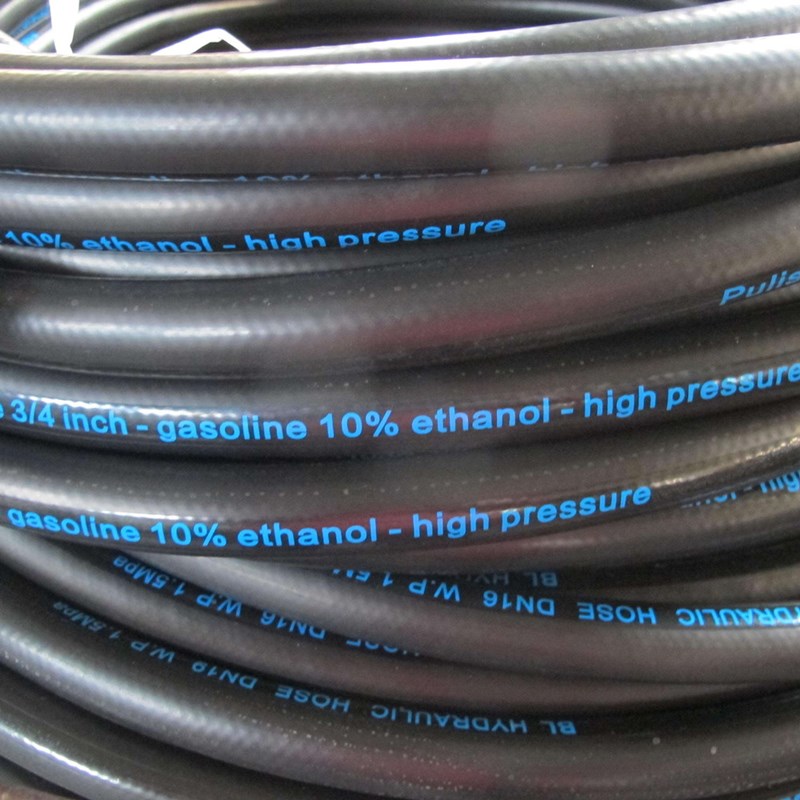
Hydraulic hoses are typically constructed from multiple layers, each serving a specific purpose. The inner tube, in direct contact with the fluid, is commonly made of synthetic rubbers such as nitrile (NBR), ethylene propylene diene monomer (EPDM), or fluorocarbon (FKM), chosen for their compatibility with the intended hydraulic fluid. NBR offers good resistance to petroleum-based fluids, while EPDM excels with phosphate ester fluids. FKM provides superior resistance to high temperatures and aggressive chemicals. Reinforcement layers, providing strength and preventing bursting, consist of high-tensile steel wire (single or multiple braids) or synthetic fiber (aramid or polyester). The outer cover, protecting against abrasion, weathering, and oil, is generally made of synthetic rubber compounds like chloroprene (CR) or polyurethane (PU). Fittings are commonly manufactured from carbon steel, alloy steel, or stainless steel, often undergoing processes like forging, machining, and heat treatment to achieve the required strength and dimensional tolerances. Key manufacturing parameters include rubber vulcanization temperature and duration (affecting elasticity and tensile strength), wire braiding density (influencing burst pressure), and surface finishing of metal components (impacting corrosion resistance). Critical chemical compatibility analysis must be undertaken to avoid degradation of the hose inner layer with the intended fluid. For example, using NBR with phosphate ester fluids will result in rapid swelling and failure.
Performance & Engineering
Performance of hydraulic hoses and fittings is dictated by rigorous engineering principles, particularly those related to fluid mechanics and material science. Burst pressure is determined by the tensile strength of the reinforcement layers and the geometry of the hose construction. Hose assemblies are subject to substantial force analysis, including internal pressure loading, external bending stresses, and axial tension. Finite Element Analysis (FEA) is frequently employed during the design phase to optimize hose geometry and material selection for specific applications. Environmental resistance is crucial; hoses must withstand temperature fluctuations, UV exposure, and chemical attack without compromising performance. Leakage is a primary concern, necessitating precise fitting design and proper sealing mechanisms, such as O-rings or cone seals. Compliance requirements are stringent, varying by industry and region. For example, the automotive industry demands adherence to SAE J517 standards, while aerospace applications require compliance with AS9100. Fatigue life is a critical parameter; repeated flexing and pressure cycling can lead to premature failure. Proper hose routing and support are essential to minimize stress concentrations and extend service life. The selection of fitting materials must also consider galvanic corrosion potential when used with different metal components in a hydraulic system.
Technical Specifications
| Parameter | Unit | SAE 100R2 AT | DIN EN 853 1SN |
|---|---|---|---|
| Working Pressure | MPa | 20.7 | 20.0 |
| Burst Pressure | MPa | 82.7 | 80.0 |
| Temperature Range | °C | -40 to +100 | -40 to +100 |
| Inner Tube | Material | NBR | NBR |
| Reinforcement | Material | Single Steel Wire Braid | Single Steel Wire Braid |
| Outer Cover | Material | CR | CR |
Failure Mode & Maintenance
Hydraulic hose and fitting failures commonly stem from several mechanisms. Fatigue cracking, induced by repeated flexing and pressure pulsations, is a prevalent issue. Internal abrasion, caused by fluid contaminants, degrades the inner tube over time. External abrasion damages the cover, exposing the reinforcement layers to corrosion. Fitting corrosion, particularly in harsh environments, can lead to leakage or complete failure. Over-pressurization exceeding the hose’s working pressure results in catastrophic rupture. Improper installation, such as incorrect crimping or excessive bending, significantly reduces service life. Failure analysis frequently reveals the root cause lies in a combination of factors. Regular visual inspections are vital, looking for signs of abrasion, cracking, or leakage. Fluid analysis should be conducted periodically to monitor contamination levels. Hose assemblies should be replaced at recommended intervals, even if no visible damage is apparent. Crimping tools must be calibrated regularly to ensure proper fitting attachment. When replacing hoses, it’s crucial to use fittings compatible with both the hose and the hydraulic fluid.
Industry FAQ
Q: What is the impact of fluid compatibility on hose life?
A: Incorrect fluid compatibility is a major contributor to hose failure. Fluids can cause swelling, softening, or degradation of the inner tube material. For example, using petroleum-based fluids with EPDM hoses will cause rapid deterioration. Always verify the hose material is compatible with the intended hydraulic fluid before installation.
Q: How does temperature affect hose performance?
A: Temperature extremes can significantly impact hose performance. High temperatures accelerate rubber degradation and reduce pressure ratings. Low temperatures can reduce flexibility and increase the risk of cracking. Ensure the hose is rated for the expected operating temperature range.
Q: What are the common causes of fitting leakage?
A: Common causes include improper crimping, damaged sealing surfaces (O-rings or cone seals), corrosion, and contamination. Regularly inspect fittings for damage and ensure proper installation torque is applied.
Q: What is the importance of proper hose routing and support?
A: Proper routing and support minimize bending stress, abrasion, and fatigue. Avoid sharp bends and ensure hoses are adequately supported to prevent sagging or rubbing against other components.
Q: How often should hydraulic hoses be replaced?
A: Replacement frequency depends on the application, operating conditions, and hose type. As a general guideline, hoses should be inspected annually and replaced every 5-7 years, or sooner if signs of wear or damage are observed.
Conclusion
The selection and implementation of OEM hydraulic hose and fitting solutions require a deep understanding of material science, engineering principles, and industry standards. Ensuring fluid compatibility, appropriate pressure and temperature ratings, and proper installation are paramount to achieving reliable and long-lasting performance. Addressing challenges related to quality control, supply chain complexity, and increasingly stringent performance demands will be critical for manufacturers in this sector.
Future trends point towards the development of more durable and environmentally-friendly hose materials, as well as the integration of smart technologies for real-time monitoring of hose condition. Predictive maintenance, enabled by sensor-equipped hoses, will become increasingly important for minimizing downtime and optimizing system efficiency. Continued innovation in fitting designs and manufacturing processes will also be essential to meet the evolving needs of the hydraulic power industry.