
Apr . 01, 2024 17:55 Back to list
oem hydraulic hose and fittings factory Performance Analysis
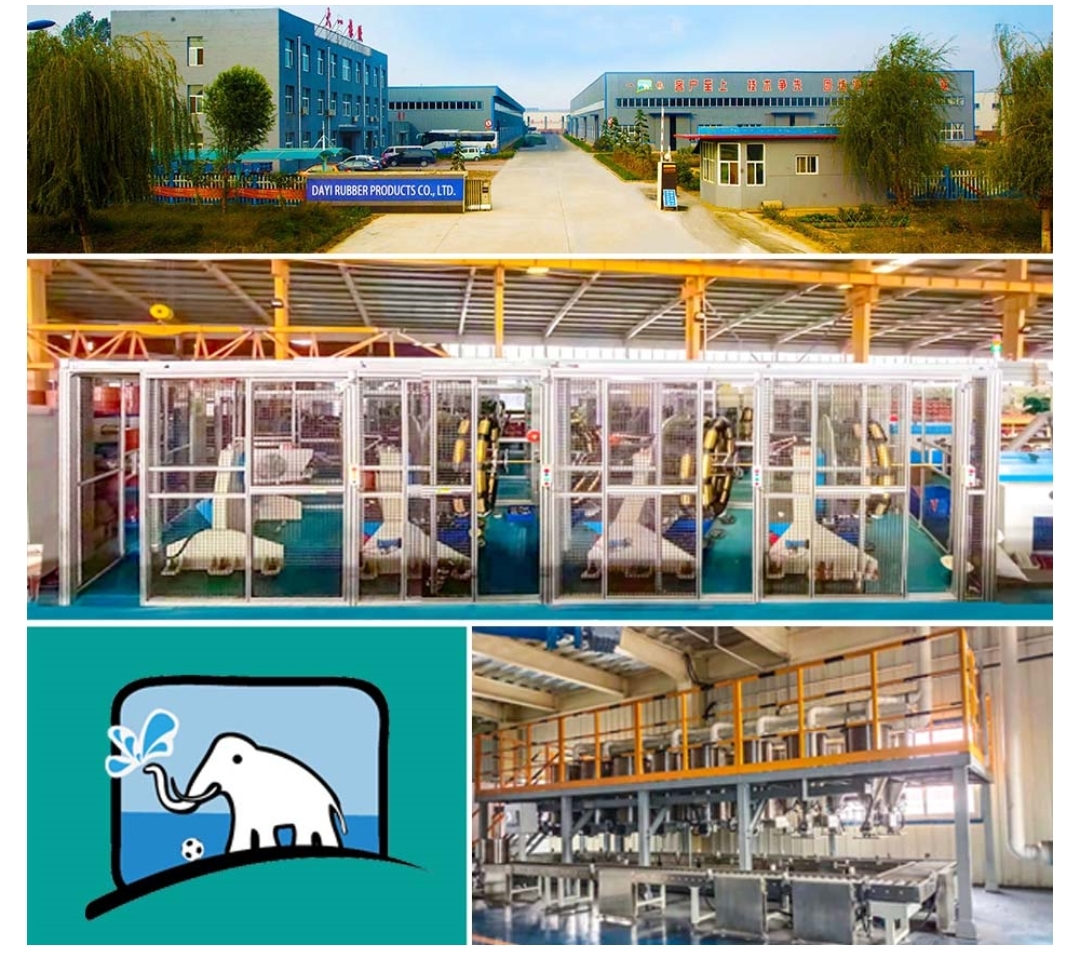
Introduction
OEM hydraulic hose and fittings represent a critical component within fluid power systems, facilitating the transmission of hydraulic fluid to actuate machinery across diverse industries including construction, agriculture, manufacturing, and aerospace. These are not simply conduits; they are engineered solutions designed to withstand extreme pressures, temperatures, and environmental conditions. The role of an OEM (Original Equipment Manufacturer) supplier is paramount, ensuring adherence to stringent performance and safety standards, often tailored to the specific demands of the end-user application. The core performance characteristics center around pressure rating, burst pressure, temperature range, fluid compatibility, and dimensional accuracy. Failure in these systems can lead to significant downtime, safety hazards, and costly repairs, making quality and reliability of the hose and fitting assembly paramount. This guide provides a comprehensive technical overview for procurement managers, engineers, and maintenance personnel seeking a deep understanding of OEM hydraulic hose and fitting technology.
Material Science & Manufacturing
The selection of materials for hydraulic hoses and fittings is dictated by the intended application and the fluids being conveyed. Hose construction typically involves an inner tube, reinforcement layers, and an outer cover. Inner tubes commonly utilize synthetic rubbers like Nitrile (NBR) for oil-based hydraulic fluids, EPDM for phosphate ester fluids, and PTFE for aggressive chemicals. Reinforcement layers provide the strength to withstand pressure, often utilizing high-tensile steel wire (single or multiple spiral plies) or synthetic fiber braids (aramid, nylon). The outer cover, usually a synthetic rubber such as SBR, provides abrasion, ozone, and weathering resistance. Fittings are generally manufactured from carbon steel, alloy steel, or stainless steel, often with surface treatments like zinc plating or phosphate coating to enhance corrosion resistance.
Manufacturing processes vary based on hose type and fitting material. Hose production involves extrusion of the inner tube and outer cover, followed by the application of reinforcement layers via winding or braiding. Precise control of extrusion temperature, screw speed, and die geometry are critical to ensure consistent wall thickness and material properties. Fittings are typically produced through forging, machining, or cold drawing. Critical parameters include material hardness, dimensional tolerances, and thread accuracy. Hydraulic hose assemblies are created through a crimping process, where the fitting is mechanically fastened to the hose using specialized crimping machines. The crimp quality – defined by the depth, width, and uniformity of the crimp – is crucial for leak-free performance and resistance to dynamic fatigue. Non-destructive testing methods, such as ultrasonic inspection, are employed to verify the integrity of the crimp connection.
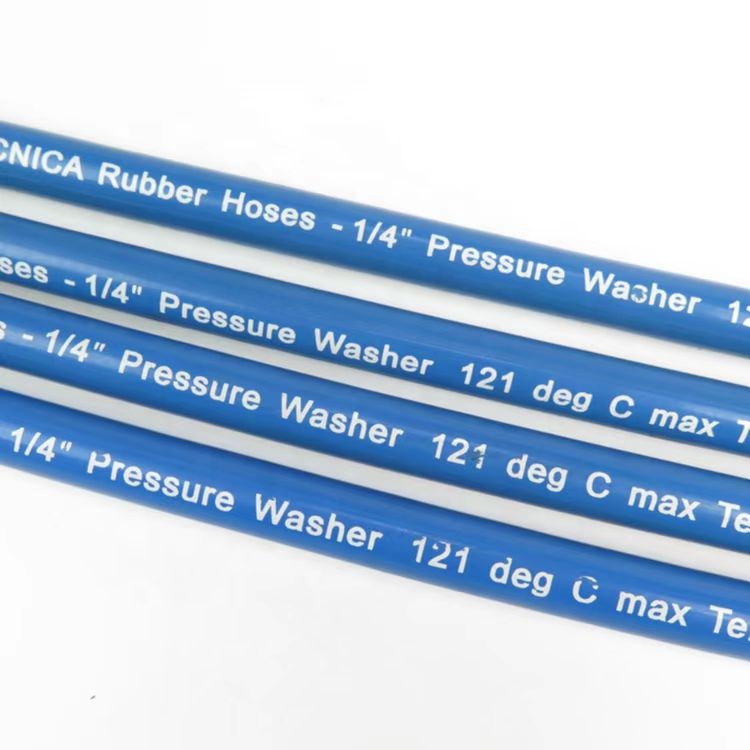
Performance & Engineering
Hydraulic hose and fitting performance is governed by fundamental principles of fluid mechanics and materials science. Burst pressure, expressed in PSI or MPa, is a critical performance metric, representing the maximum pressure the hose can withstand before catastrophic failure. Working pressure, a fraction of the burst pressure (typically 1/4), defines the safe operating pressure. Fatigue life, determined through cyclical pressure testing, indicates the hose’s ability to withstand repeated pressure fluctuations. Temperature range considerations are crucial, as both high and low temperatures can impact rubber elasticity and fitting strength. Fluid compatibility is also essential; incompatible fluids can cause swelling, degradation, or leaching of the hose material, leading to premature failure.
Engineering design considerations include hose bend radius, which must be maintained within specified limits to prevent kinking and stress concentration. Hose assembly length affects pressure drop and flow rate. Fitting selection must match the hose type, fluid compatibility, and pressure requirements. Compliance with industry standards, such as SAE J517 (hose) and SAE J1926 (fittings) is mandatory for ensuring safety and interchangeability. Force analysis is utilized to determine the tensile strength required for the reinforcement layers, accounting for internal pressure and external loads. Environmental resistance to ozone, UV radiation, and chemical exposure must also be considered, particularly for outdoor applications.
Technical Specifications
| Hose Type | Working Pressure (PSI) | Burst Pressure (PSI) | Temperature Range (°F) |
|---|---|---|---|
| Hydraulic Hose - Wire Braid | 2,000 | 8,000 | -40 to 212 |
| Hydraulic Hose - Spiral Wire | 3,000 | 12,000 | -40 to 250 |
| Thermoplastic Hose | 1,500 | 6,000 | -65 to 250 |
| Ultra-High Pressure Hose | 5,000 | 20,000 | -40 to 200 |
| PTFE Lined Hose | 3,000 | 12,000 | -65 to 450 |
| Rubber Hydraulic Hose | 1,800 | 7,200 | -40 to 212 |
Failure Mode & Maintenance
Hydraulic hose and fitting failures commonly stem from several mechanisms. Fatigue cracking, induced by repeated pressure cycles and bending, is a prevalent issue. Abrasion, caused by external contact with rough surfaces, can erode the outer cover and expose reinforcement layers. Permeation, the diffusion of hydraulic fluid through the hose wall, leads to fluid loss and reduced system efficiency. Internal corrosion, especially in systems using incompatible fluids, weakens the hose and fittings. External corrosion, caused by environmental exposure, compromises the structural integrity of fittings. Improper installation, such as excessive bending or incorrect crimping, significantly reduces service life.
Preventive maintenance is crucial for mitigating these failures. Regular visual inspections should identify signs of abrasion, cracking, bulging, or leaks. Hose assemblies should be replaced based on a predetermined schedule or when damage is detected. Proper routing and support are essential to minimize bending and abrasion. Fluid cleanliness is critical; contamination can accelerate wear and corrosion. Periodic pressure testing can verify the integrity of the system. When replacing hoses, ensure compatibility with the hydraulic fluid and operating conditions. Fittings should be inspected for corrosion and thread damage. Crimping procedures must adhere to manufacturer’s specifications to ensure a secure and leak-free connection. Proper torque values should be used when tightening fittings.
Industry FAQ
Q: What is the impact of impulse pressure on hydraulic hose life?
A: Impulse pressure, or pressure spikes, significantly reduces hose life. These sudden pressure surges create dynamic stresses that accelerate fatigue failure. Hose reinforcement layers must be adequately designed to withstand these impulses, and pressure snubbers or accumulators may be required in systems with high impulse pressures.
Q: How does fluid velocity affect hose performance and lifespan?
A: High fluid velocity increases pressure drop and can cause erosion of the inner tube, especially at bends. It also generates heat, which can degrade the hose material. Selecting a hose with a larger internal diameter can reduce fluid velocity and mitigate these issues.
Q: What are the key considerations when selecting a hose for a high-temperature application?
A: High-temperature applications require hoses with heat-resistant inner tubes and covers. Materials like PTFE and fluoropolymers offer excellent thermal stability. The fitting material must also maintain its strength and integrity at elevated temperatures. Consider the potential for thermal expansion and contraction, which can create stress on the hose and fittings.
Q: What are the common causes of leaks at hose-fitting connections?
A: Leaks typically result from improper crimping, damaged threads, incompatible sealing surfaces, or contamination. Ensure the crimp is within specified tolerances, the threads are clean and undamaged, and the correct sealing compound is used. Inspect the fitting seat for wear or corrosion.
Q: What is the role of hose guards and protection sleeves?
A: Hose guards and protection sleeves prevent abrasion, cutting, and impact damage. They extend hose life, particularly in harsh environments. They are crucial for ensuring operator safety and preventing fluid leaks due to hose failure.
Conclusion
OEM hydraulic hose and fittings represent a sophisticated engineered component requiring a thorough understanding of material science, manufacturing processes, and performance characteristics. Proper material selection, meticulous manufacturing control, and adherence to industry standards are paramount for ensuring reliability and safety in fluid power systems. Selecting the appropriate hose and fitting assembly involves a detailed assessment of operating pressure, temperature range, fluid compatibility, and environmental conditions.
Continued advancements in hose technology focus on developing materials with enhanced chemical resistance, higher pressure ratings, and improved fatigue life. Predictive maintenance strategies, utilizing sensor data and analytical modeling, are becoming increasingly important for optimizing hose replacement schedules and minimizing downtime. A collaborative approach between hose manufacturers, equipment OEMs, and end-users is crucial for driving innovation and ensuring the long-term performance of hydraulic systems.