
Apr . 01, 2024 17:55 Back to list
oem hydraulic hose and fittings factories Performance Analysis

Introduction
OEM hydraulic hose and fittings represent a critical component within fluid power systems, serving industries ranging from construction and agriculture to manufacturing and aerospace. These are not commodity products; their performance dictates the reliability and safety of the machinery they serve. This guide provides an in-depth technical overview of their material science, manufacturing processes, performance characteristics, potential failure modes, and relevant industry standards. The OEM sector demands precise specifications, rigorous quality control, and adherence to stringent performance criteria dictated by the application and operating environment. Core performance parameters include pressure rating, temperature range, fluid compatibility, and resistance to abrasion and kinking. The primary pain point for manufacturers lies in balancing cost with required performance, ensuring longevity and preventing catastrophic failure in demanding applications. This guide aims to empower engineers and procurement professionals with the knowledge to make informed decisions regarding the selection and implementation of hydraulic hose and fitting solutions.
Material Science & Manufacturing
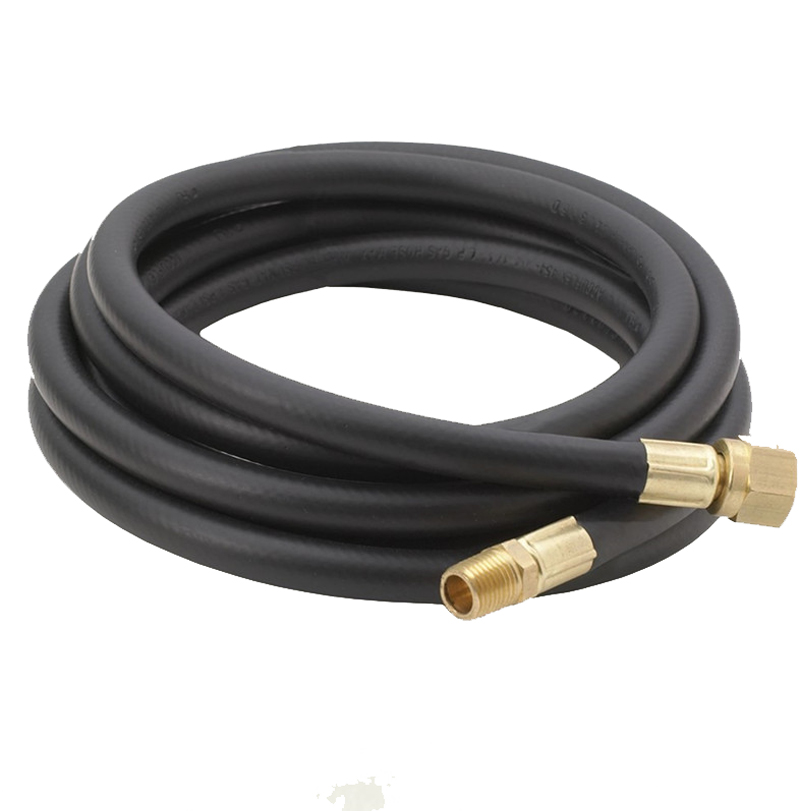
Hydraulic hose construction typically involves multiple layers, each serving a specific function. The innermost layer, the tube, is critical for fluid compatibility and must resist degradation from the hydraulic fluid itself. Common materials include nitrile rubber (NBR) for petroleum-based fluids, ethylene-propylene diene monomer (EPDM) for phosphate ester fluids, and polytetrafluoroethylene (PTFE) for aggressive chemicals. Reinforcement layers provide the hose's strength and pressure-bearing capacity. These layers are commonly constructed from high-tensile steel wire (single or multiple braids), synthetic fibers like aramid (Kevlar) or polyester, or a combination thereof. The outer cover provides abrasion, weather, and chemical resistance and is typically made of synthetic rubbers like polyurethane or chloroprene. Fittings are generally manufactured from carbon steel, alloy steel, or stainless steel, selected based on compatibility with the fluid and operating environment. Manufacturing processes for hose include extrusion for the tube and cover, calendaring for reinforcement layers, and spiraling or braiding for steel wire reinforcement. Fittings are produced via forging, machining, and heat treatment. Parameter control during extrusion is critical, influencing tube thickness, dimensional accuracy, and material homogeneity. Braiding tension and ply angle directly affect pressure capacity. Heat treatment of fittings is vital for achieving optimal strength and ductility. Chemical compatibility testing of the tube material with the target hydraulic fluid is a non-negotiable step. Failure to do so can lead to rapid degradation and hose failure.
Performance & Engineering
The performance of hydraulic hoses and fittings is governed by several engineering principles. Burst pressure, working pressure, and safety factor are key considerations. Burst pressure is the pressure at which the hose fails catastrophically, while working pressure is the maximum continuous operating pressure recommended by the manufacturer. A safety factor, typically 4:1, is applied to the burst pressure to determine the working pressure. Hose assemblies are subject to significant stress due to internal pressure, external bending, and axial loading. Finite Element Analysis (FEA) is commonly used to model stress distribution and optimize hose design. Environmental factors such as temperature, UV exposure, and ozone concentration can significantly impact hose performance. Extreme temperatures can alter material properties, leading to decreased flexibility and increased susceptibility to cracking. UV exposure can cause degradation of the outer cover, while ozone can attack unsaturated rubber compounds. Proper hose routing and support are essential to prevent excessive bending and abrasion. Fitting selection must consider thread type (NPT, SAE J1926, BSP), sealing method (O-ring, tapered thread), and material compatibility. Compliance with industry standards, such as SAE J517 (hose performance) and ISO 6022 (air brake hose), is mandatory for many applications. The selection of fittings and hoses must take into consideration the fluid velocity and potential for erosion.
Technical Specifications
| Parameter | Unit | Specification Range (Typical) | Test Standard |
|---|---|---|---|
| Working Pressure | PSI | 1000 - 5000 | SAE J517 |
| Burst Pressure | PSI | 4000 - 20000 | SAE J517 |
| Temperature Range | °F | -40 to +250 | SAE J517 |
| Hose ID | inch | 0.25 - 2.0 | Manufacturer Specification |
| Hose OD | inch | 0.375 – 2.5 | Manufacturer Specification |
| Reinforcement Type | - | Steel Wire (1/2/4/6 Spiral), Aramid Fiber | Manufacturer Specification |
Failure Mode & Maintenance
Hydraulic hose failures can manifest in several ways. Common failure modes include burst, kink, abrasion, and leakage. Burst failures are typically caused by exceeding the working pressure or fatigue cracking due to repeated pressure cycles. Kinking occurs when the hose is bent beyond its minimum bend radius, restricting fluid flow and potentially causing damage to the reinforcement layers. Abrasion is caused by external contact with abrasive surfaces, wearing away the outer cover and exposing the reinforcement. Leakage can occur at the fitting connection due to improper installation, damaged O-rings, or corrosion. Fatigue cracking is a progressive process initiated by microscopic flaws in the material, which grow under cyclic loading. Preventive maintenance is crucial for extending hose life and preventing failures. Regular visual inspections should be conducted to identify signs of damage, such as cracks, abrasions, and leaks. Hose routing should be optimized to minimize bending and abrasion. Fittings should be properly tightened and inspected for corrosion. Hydraulic fluid should be regularly analyzed for contamination, as contaminants can accelerate hose degradation. When replacing hoses, it is essential to use compatible fittings and ensure proper installation procedures are followed. Replacement intervals should be based on the operating conditions and fluid analysis results. Failure analysis, including microscopic examination of fractured surfaces, is critical for identifying the root cause of failures and implementing corrective actions.
Industry FAQ
Q: What is the impact of fluid velocity on hose life?
A: Higher fluid velocities can lead to increased erosion of the hose inner tube, particularly when abrasive particles are present in the fluid. This erosion can thin the tube wall, increasing the risk of burst failure. Proper fluid filtration and maintaining fluid velocity within recommended limits are crucial for maximizing hose life.
Q: How does temperature affect hose performance?
A: Temperature extremes can significantly impact hose performance. High temperatures can cause rubber compounds to soften and lose their elasticity, reducing pressure capacity and increasing susceptibility to leakage. Low temperatures can cause rubber compounds to become brittle and crack. It is essential to select a hose material with a temperature range that matches the operating conditions.
Q: What are the key considerations when selecting a fitting material?
A: Fitting material selection should consider fluid compatibility, operating pressure, and environmental conditions. Carbon steel is suitable for many applications, but stainless steel is preferred for corrosive environments. The fitting material must be compatible with both the hose and the hydraulic fluid to prevent galvanic corrosion or other forms of degradation.
Q: What is the importance of proper hose routing?
A: Proper hose routing is critical for preventing excessive bending, abrasion, and kinking. Hoses should be routed away from moving parts and sharp edges. Support should be provided to prevent sagging and minimize stress on the hose assembly. Maintaining the minimum bend radius specified by the manufacturer is essential.
Q: How can I identify a potential hose failure before it occurs?
A: Regular visual inspections are the first line of defense. Look for signs of cracking, abrasion, bulging, or leakage. Pay attention to any unusual noises or vibrations. If you suspect a potential failure, immediately shut down the system and replace the hose assembly.
Conclusion
OEM hydraulic hose and fittings are complex engineered components whose reliable performance is paramount to the safe and efficient operation of countless machines. Understanding the interplay between material science, manufacturing processes, and operational factors is crucial for selecting the right hose assembly for a given application. Failure to account for these variables can lead to premature failure, costly downtime, and potential safety hazards.
Moving forward, advancements in hose technology will likely focus on developing lighter-weight materials, improving chemical resistance, and enhancing monitoring capabilities. The integration of sensor technology into hose assemblies will allow for real-time monitoring of pressure, temperature, and flow, providing early warning of potential failures and enabling predictive maintenance strategies. Continued adherence to stringent industry standards and rigorous quality control measures will remain essential for ensuring the long-term reliability and performance of hydraulic hose and fitting systems.