
Apr . 01, 2024 17:55 Back to list
oem high pressure washer hose supplier Performance Analysis

Introduction
OEM high pressure washer hoses are critical components in fluid transfer systems utilized across diverse industrial and commercial applications, ranging from automotive detailing and construction to agriculture and municipal cleaning services. These hoses are engineered to withstand extreme pressures, often exceeding 4000 PSI (pounds per square inch), and are integral to the functionality and safety of high pressure cleaning equipment. Their technical positioning within the supply chain involves a complex interplay of polymer science, reinforcement technologies, and precise manufacturing processes. Core performance characteristics include burst pressure, working pressure, temperature resistance, chemical compatibility, and abrasion resistance. This guide provides an in-depth analysis of these aspects, crucial for procurement managers and engineers seeking reliable and durable hose solutions. The industry currently faces challenges regarding consistent quality control, material degradation under specific chemical exposures, and meeting increasingly stringent environmental regulations surrounding phthalate content and end-of-life recyclability.
Material Science & Manufacturing
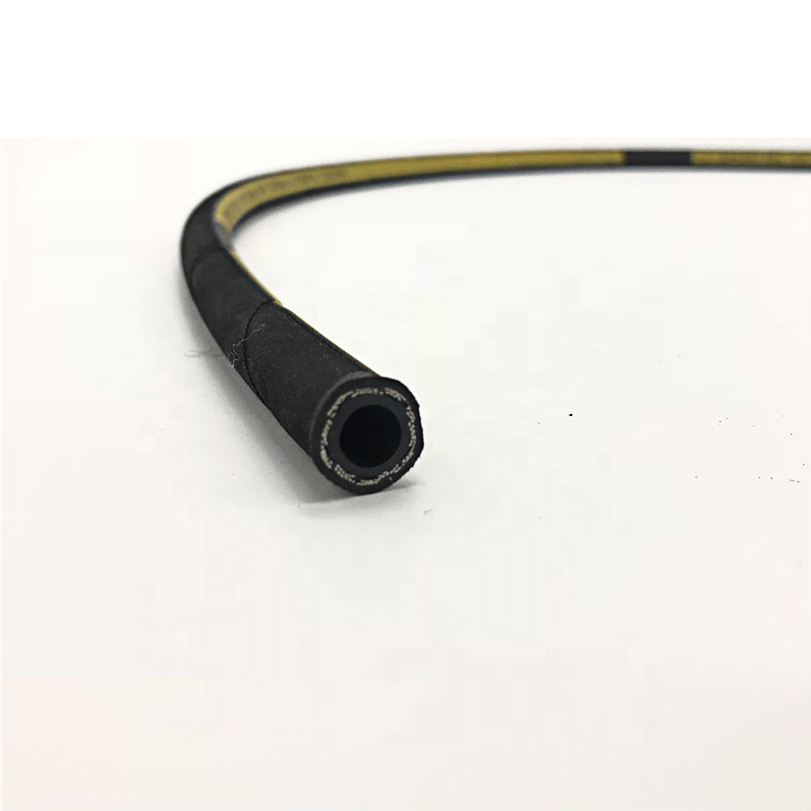
The predominant material utilized in high pressure washer hose construction is thermoplastic polyurethane (TPU). TPU offers a balance of flexibility, abrasion resistance, and oil resistance, making it superior to traditional rubber compounds in many applications. However, variations in TPU formulations – specifically, the ratio of polyol to diisocyanate, and the type of chain extender used – significantly impact the hose’s performance characteristics. Reinforcement layers are critical to withstanding high pressures. These typically consist of multiple high-tensile strength textile braids (often polyester or aramid fibers) or spirally wound steel wire. The braiding process involves precisely interlacing the fibers at a specific angle to distribute pressure evenly across the hose wall. Manufacturing processes involve extrusion of the TPU material onto the reinforcement layer, followed by vulcanization (for rubber-based inner tubes if utilized) and final quality control checks including burst pressure testing. Key parameter control during extrusion includes maintaining consistent wall thickness, minimizing air pockets, and ensuring proper adhesion between the TPU and the reinforcement. Steel wire winding requires precise tension control to prevent distortion and ensure uniform pressure distribution. The chemical compatibility of the TPU must be considered; certain solvents and aggressive chemicals can cause swelling or degradation, leading to premature failure.
Performance & Engineering
Performance analysis of high pressure washer hoses necessitates consideration of several critical engineering parameters. Burst pressure, determined through hydrostatic testing according to industry standards (see section 7), represents the maximum pressure the hose can withstand before rupture. Working pressure is significantly lower, typically 50-70% of burst pressure, providing a safety factor. Fatigue life is a crucial metric, particularly in applications involving repetitive pulsing pressures. Finite Element Analysis (FEA) is frequently employed to model stress distribution within the hose wall under cyclic loading, identifying potential failure initiation points. Environmental resistance is paramount; exposure to UV radiation, ozone, and temperature extremes can degrade the TPU material, reducing its flexibility and strength. Hose end termination – typically involving crimping metal fittings – introduces a potential weak point. Proper crimp depth and fitting material compatibility are essential to prevent leaks and failures. Compliance requirements vary by region but generally mandate adherence to safety standards related to pressure vessel design and material traceability. Force analysis during operation reveals that peak pressures are not uniform along the hose length, requiring reinforcement strategies tailored to areas experiencing higher stress concentrations, such as near fittings.
Technical Specifications
| Parameter | Unit | Typical Value (Standard Duty) | Typical Value (Heavy Duty) |
|---|---|---|---|
| Working Pressure | PSI | 3000 | 5000 |
| Burst Pressure | PSI | 9000 | 15000 |
| Temperature Range | °F | -40 to 176 | -40 to 212 |
| Inner Diameter | inches | 0.25 | 0.50 |
| Outer Diameter | inches | 0.50 | 0.75 |
| Reinforcement | Layers | 2 Textile Braid | 4 Textile Braid / 1 Steel Spiral |
Failure Mode & Maintenance
Common failure modes in high pressure washer hoses include burst failure due to exceeding the working pressure, fatigue cracking resulting from prolonged cyclic loading, and degradation of the TPU material from exposure to chemicals or UV radiation. Delamination, the separation of the TPU from the reinforcement layer, is often caused by improper adhesion during manufacturing or exposure to incompatible fluids. Oxidation of the TPU can lead to embrittlement and reduced flexibility. Failure analysis often reveals initiating defects such as microscopic air pockets within the TPU or localized stress concentrations near fittings. Preventive maintenance is crucial. Regular visual inspection for cracks, bulges, or abrasions is recommended. Hoses should be replaced immediately if any signs of damage are observed. Avoid kinking or sharply bending the hose, as this can induce localized stress and accelerate fatigue. Proper storage is also important; hoses should be stored in a cool, dry place away from direct sunlight and corrosive chemicals. Periodic pressure testing (hydrostatic testing) can identify weakened hoses before catastrophic failure occurs. Following manufacturer’s guidelines regarding chemical compatibility is paramount to ensure longevity.
Industry FAQ
Q: What is the impact of using an incompatible fluid on the hose’s lifespan?
A: Utilizing fluids not explicitly approved by the hose manufacturer can dramatically reduce its lifespan. Certain solvents, oils, and chemicals can cause the TPU to swell, soften, or degrade, compromising its structural integrity. This leads to reduced burst pressure, increased susceptibility to cracking, and potential delamination. Always consult the manufacturer’s chemical compatibility chart before use.
Q: How does the braiding material affect the hose’s performance?
A: Braiding material significantly influences the hose’s strength and flexibility. Polyester braiding offers good abrasion resistance and is cost-effective. Aramid fibers (e.g., Kevlar) provide higher tensile strength and are preferred for high-pressure applications. Steel wire spiraling offers the highest pressure rating but reduces flexibility. The braiding angle also matters; a steeper angle provides greater strength but less flexibility.
Q: What is the significance of hydrostatic testing?
A: Hydrostatic testing involves pressurizing the hose to a level significantly higher than its working pressure to verify its structural integrity. It helps identify any leaks, weak points, or defects before the hose is put into service. It’s a critical quality control step and is often required by industry regulations.
Q: How does temperature affect the hose’s performance?
A: Extreme temperatures can degrade the TPU material. High temperatures can reduce its tensile strength and flexibility, while low temperatures can cause it to become brittle and more susceptible to cracking. The operating temperature range specified by the manufacturer must be strictly adhered to.
Q: What are the key considerations for hose fitting selection?
A: Fittings must be compatible with both the hose material and the fluid being conveyed. The crimp depth must be precise to ensure a secure, leak-proof connection. Using incorrect fittings can lead to premature failure and potential safety hazards. Fittings should also be corrosion resistant.
Conclusion
OEM high pressure washer hoses represent a sophisticated engineering product vital to numerous industrial processes. Understanding the interplay between material science, manufacturing techniques, and operational parameters is paramount for ensuring long-term reliability and safety. The selection of appropriate materials, reinforcement strategies, and fitting configurations is critical to meeting specific application requirements and preventing premature failure.
Looking forward, advancements in TPU formulations, coupled with enhanced quality control procedures and a focus on sustainable materials, will drive improvements in hose performance and durability. Further research into fatigue life prediction and the development of self-healing polymers will also contribute to reducing maintenance costs and extending service intervals. Adherence to relevant industry standards and rigorous testing protocols remains essential for maintaining product quality and ensuring operator safety.