
Apr . 01, 2024 17:55 Back to list
oem high pressure washer hose manufacturers Performance Engineering
Introduction
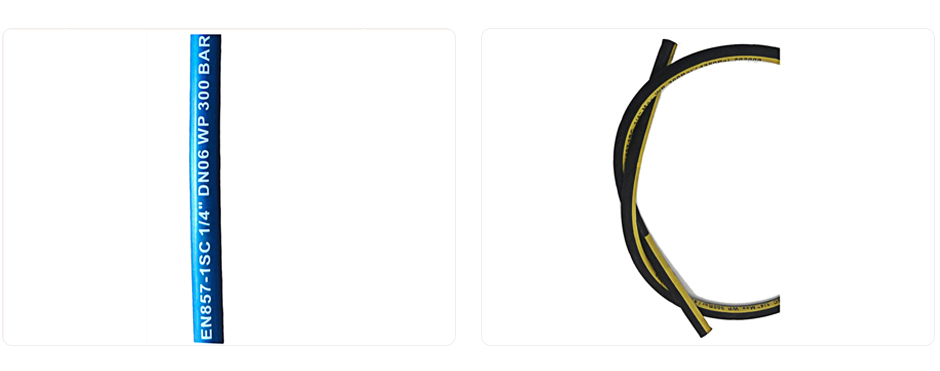
OEM high pressure washer hoses are critical components in fluid transfer systems utilized across diverse industrial and commercial cleaning applications. Positioned within the broader pressure washing equipment supply chain, these hoses act as the conduit for high-velocity, pressurized fluids – typically water, but also detergents, solvents, and specialized cleaning agents. Their performance directly impacts the efficiency, safety, and longevity of the entire pressure washing system. Core performance characteristics center around burst pressure, working pressure, temperature resistance, chemical compatibility, and abrasion resistance. Failure of these hoses can lead to equipment damage, operational downtime, and potential operator injury, making rigorous quality control and adherence to industry standards paramount. The market for OEM high pressure washer hoses is driven by demand in construction, automotive, industrial maintenance, agriculture, and municipal cleaning services, with increasing emphasis on durability, flexibility, and specialized material formulations to meet evolving application requirements.
Material Science & Manufacturing
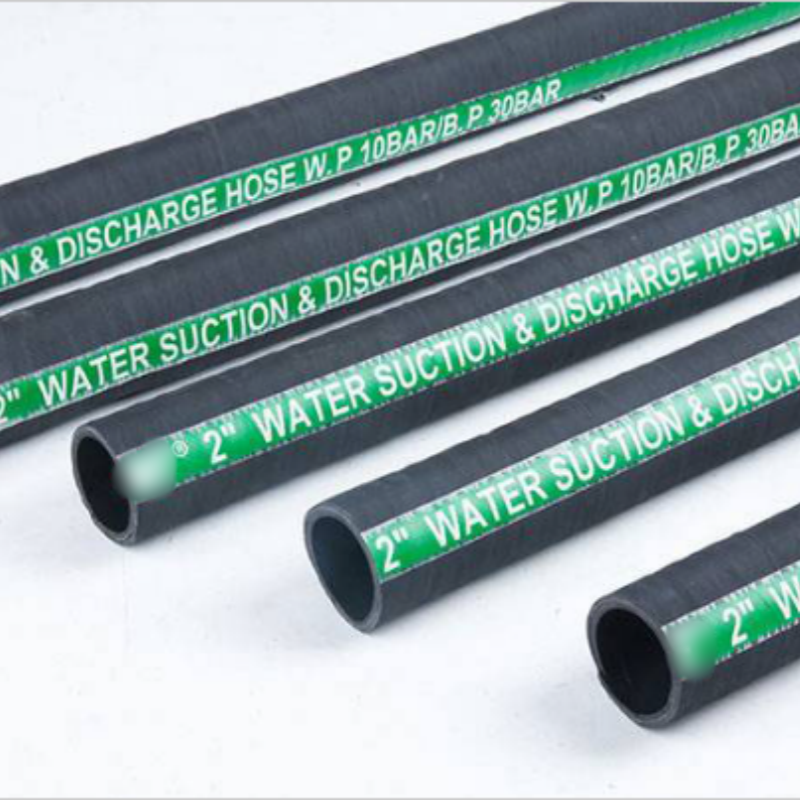
The manufacturing of high pressure washer hoses typically begins with a selection of core materials. Reinforcement layers are most commonly comprised of high-tensile steel wire, spirally wound or braided, providing the structural integrity to withstand extreme pressures. The inner tube, in direct contact with the fluid, is generally constructed from synthetic rubbers like nitrile (NBR), chlorinated polyethylene (CPE), or ethylene propylene diene monomer (EPDM), selected based on chemical resistance needs. Outer covers often utilize polyurethane (PU) for abrasion and weather resistance. Raw material properties are crucial: steel wire must exhibit high yield strength and ductility; rubber compounds require specific hardness (Durometer) and elongation characteristics. The manufacturing process involves several key steps. First, the inner tube is extruded. Second, reinforcement layers are applied—braiding or spiraling the steel wire around the tube. Third, an adhesive layer bonds the reinforcement to the inner tube. Fourth, the outer cover is extruded. Finally, the hose undergoes curing (vulcanization) to crosslink the rubber polymers, enhancing strength and elasticity. Critical parameters include wire tension during braiding/spiraling, extrusion temperature and pressure, and curing time and temperature. Deviations from these parameters can lead to delamination, reduced burst pressure, and premature failure. Material compatibility testing is also vital; for example, NBR exhibits excellent oil resistance but limited resistance to ozone, while EPDM offers superior ozone resistance but lower oil resistance.
Performance & Engineering
High pressure washer hose performance is dictated by several key engineering considerations. Force analysis focuses on hoop stress within the hose wall, directly proportional to pressure and diameter, and inversely proportional to wall thickness. The reinforcement layer is designed to counteract this stress, preventing bursting. Fatigue analysis is crucial, as hoses are subjected to cyclical pressure fluctuations. These cycles can induce fatigue cracking, particularly at connection points. Environmental resistance is also critical. Exposure to UV radiation, ozone, and extreme temperatures can degrade the rubber compounds, reducing flexibility and strength. Chemical resistance needs assessment is application-specific. Exposure to harsh detergents, solvents, or acids necessitates selecting compatible materials. Compliance requirements vary by region and application. For instance, OSHA regulations mandate minimum burst pressure and safety factors. Functional implementation involves consideration of hose length, diameter, and connection types. Quick-connect couplings must provide a secure, leak-proof seal under high pressure. Hose flexibility impacts maneuverability and ease of use. Proper hose routing and support are essential to prevent kinking and abrasion. The service life is also impacted by internal fluid friction, which generates heat and can accelerate degradation. Correct fluid temperature regulation is crucial.
Technical Specifications
| Parameter | Unit | Typical Value (NBR Lined, Steel Wire Braided) | Testing Standard |
|---|---|---|---|
| Working Pressure | MPa | 20 | SAE J517 |
| Burst Pressure | MPa | 80 | SAE J517 |
| Temperature Range | °C | -40 to +100 | ASTM D2000 |
| Inner Diameter | mm | 13 (3/8 inch) | ISO 1307 |
| Outer Diameter | mm | 19 | ISO 1307 |
| Bend Radius | mm | 150 | Manufacturer Specification |
Failure Mode & Maintenance
Common failure modes in high pressure washer hoses include burst failure due to exceeding working pressure, fatigue cracking resulting from cyclical pressure, pinhole leaks caused by abrasion or corrosion, and delamination of the reinforcement layers. Burst failures often occur suddenly and catastrophically, posing a significant safety hazard. Fatigue cracking typically initiates at connection points or areas of high stress concentration. Pinhole leaks can lead to reduced efficiency and potential damage to surrounding equipment. Delamination compromises the hose’s structural integrity, increasing the risk of bursting. Oxidation of rubber compounds, particularly when exposed to ozone, leads to cracking and loss of elasticity. Abrasion from rubbing against surfaces causes wear and tear, reducing wall thickness and increasing leak potential. Maintenance is crucial to extend hose lifespan and prevent failures. Regular visual inspection for cracks, blisters, and abrasion is essential. Hoses should be inspected before each use. Proper storage—away from direct sunlight, ozone sources, and extreme temperatures—is vital. Avoid kinking and twisting the hose during operation. After each use, the hose should be drained of water to prevent internal corrosion. Connection points should be checked for tightness and corrosion. Replace hoses immediately if any signs of damage are detected. Periodic pressure testing can verify hose integrity.
Industry FAQ
Q: What is the impact of water quality on hose lifespan?
A: Water quality significantly impacts hose lifespan. Hard water contains minerals that can deposit inside the hose, reducing flow rate and potentially causing corrosion. Water with high chlorine content can degrade rubber compounds over time. Sediment and debris can cause abrasion. Using a water filter is highly recommended to improve water quality and extend hose life.
Q: How do different reinforcement materials (steel wire vs. textile braid) compare in terms of performance?
A: Steel wire reinforcement offers superior strength and pressure resistance compared to textile braid. Steel wire hoses are suitable for high-pressure applications demanding durability. Textile braid hoses are lighter and more flexible but have lower burst pressures and are typically used in lower-pressure applications. The choice depends on the specific application requirements.
Q: What is the significance of the "volumetric expansion" rating of a hose?
A: Volumetric expansion refers to the change in hose diameter under pressure. High volumetric expansion can lead to reduced pressure output and instability. Low volumetric expansion indicates a stiffer hose that maintains pressure more effectively. It's a critical parameter for applications requiring precise pressure control.
Q: What are the key considerations when selecting a hose for hot water applications?
A: For hot water applications, the inner tube material must be resistant to thermal degradation. EPDM is generally preferred over NBR for higher temperatures. The hose must be rated for the maximum operating temperature of the hot water. Connections should be heat-resistant and securely sealed to prevent leaks.
Q: How does hose length affect pressure drop and performance?
A: Longer hoses exhibit greater frictional resistance, resulting in a higher pressure drop. This reduces the pressure available at the nozzle. For long hose runs, a larger hose diameter is recommended to minimize pressure loss and maintain optimal performance. The allowable hose length is also limited by the hose’s burst pressure rating.
Conclusion
OEM high pressure washer hoses represent a crucial engineering component requiring careful material selection, manufacturing control, and performance validation. Understanding the interplay between pressure, temperature, chemical compatibility, and fatigue resistance is fundamental to ensuring reliability and safety. Adherence to industry standards, combined with diligent maintenance practices, are essential for maximizing hose lifespan and minimizing operational downtime.
The continued development of advanced materials and manufacturing techniques—such as thermoplastic hose constructions and improved braiding processes—promises further enhancements in hose performance and durability. Future trends will likely focus on reducing weight, increasing flexibility, and expanding chemical resistance to meet the evolving demands of diverse industrial cleaning applications. Selecting the appropriate hose for a specific application, coupled with proactive inspection and maintenance, remains the cornerstone of optimal system performance and operator safety.