
Apr . 01, 2024 17:55 Back to list
oem high pressure thermoplastic hose suppliers Performance Engineering
Introduction
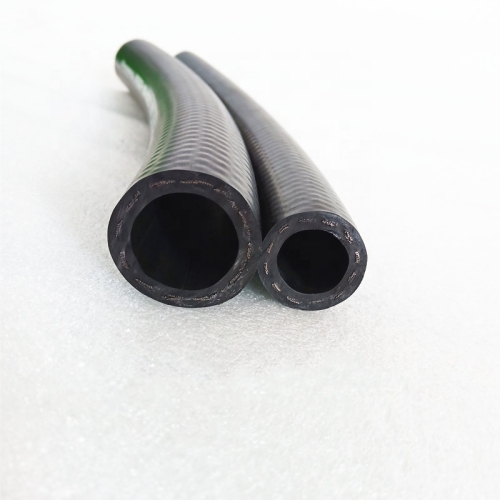
OEM high pressure thermoplastic hoses are critical components in numerous industrial applications, including hydraulic systems, fluid transfer, and high-pressure cleaning equipment. These hoses facilitate the reliable and safe conveyance of fluids under demanding conditions. Their technical position within the industrial chain lies between raw material suppliers (thermoplastic polymers, reinforcing fibers) and end-users in sectors like construction, agriculture, oil & gas, and manufacturing. Core performance characteristics include burst pressure, working pressure, flexibility, temperature resistance, and chemical compatibility. The growing demand for lighter, more durable, and corrosion-resistant fluid conveyance solutions is driving advancements in thermoplastic hose technology, moving away from traditional rubber hoses in many applications. The selection of a suitable hose necessitates a precise understanding of the fluid being conveyed, the operational pressure, and environmental factors to ensure safe and efficient operation and prevent catastrophic failure.
Material Science & Manufacturing
The foundational material of high-pressure thermoplastic hoses is typically a thermoplastic polymer such as Polyamide (Nylon), Polyurethane, Polypropylene, or Polyethylene. Nylon 6 and Nylon 6,6 are commonly employed due to their excellent abrasion resistance, tensile strength, and resistance to petroleum-based fluids. Polyurethane offers superior flexibility and resistance to oils, fuels and solvents but generally has a lower temperature range. The manufacturing process begins with the extrusion of the thermoplastic inner core. This core’s wall thickness is precisely controlled to achieve the desired burst pressure. Reinforcement layers are then applied, typically using high-tensile strength textile or steel wire braiding. The braiding angle and yarn/wire density directly impact the hose’s pressure rating and flexibility. Multiple layers can be utilized for higher pressure applications. Following braiding, an adhesive layer is applied to bond the reinforcement to the thermoplastic core. This adhesive must demonstrate excellent chemical compatibility with both the polymer and reinforcement material. Finally, an outer protective layer, often a thermoplastic elastomer (TPE) or a modified polypropylene, is extruded to provide abrasion resistance, UV protection, and resistance to environmental degradation. Key parameter control during manufacturing includes precise temperature regulation during extrusion to prevent polymer degradation, consistent braid tension, and careful monitoring of adhesive application to ensure adequate bonding. Quality control measures such as hydrostatic testing and impulse testing are crucial to verify the hose's performance characteristics.

Performance & Engineering
The performance of a high-pressure thermoplastic hose is governed by several critical engineering principles. Burst pressure, typically defined as the pressure at which the hose fails catastrophically, is a fundamental specification. Working pressure, typically 50-75% of the burst pressure, represents the maximum safe operating pressure. Force analysis involves calculating hoop stress within the hose wall, considering the internal pressure and the reinforcing layer's contribution to structural integrity. Finite Element Analysis (FEA) is often used to model stress distribution and optimize hose design. Environmental resistance is paramount. Thermoplastic materials can degrade upon prolonged exposure to UV radiation, ozone, and extreme temperatures. Stabilizers and protective outer layers are incorporated to mitigate these effects. Chemical compatibility is also critical. The hose material must be resistant to the fluid being conveyed to prevent swelling, softening, or chemical attack. Compliance requirements vary by industry and region. For hydraulic applications, standards like SAE J517 dictate pressure ratings and testing procedures. In the food and beverage industry, hoses must comply with FDA regulations for materials in contact with food. Flexibility, measured by bend radius, is another key performance parameter, influencing ease of installation and routing. The hose’s resistance to kinking and twisting also impacts its usability. Fatigue life, representing the number of pressure cycles the hose can withstand before failure, is a critical parameter in dynamic applications.
Technical Specifications
| Parameter | Nylon 6,6 Hose (Typical) | Polyurethane Hose (Typical) | Polypropylene Hose (Typical) | Units |
|---|---|---|---|---|
| Working Pressure | 3000 | 2000 | 1500 | PSI |
| Burst Pressure | 9000 | 6000 | 4500 | PSI |
| Temperature Range | -40 to +100 | -20 to +80 | 0 to +70 | °C |
| Tensile Strength | 25 | 20 | 18 | MPa |
| Elongation at Break | 300 | 400 | 200 | % |
| Inner Diameter | 0.25 - 2.0 | 0.125 - 1.0 | 0.25 - 0.75 | inches |
Failure Mode & Maintenance
High-pressure thermoplastic hoses are susceptible to various failure modes. Fatigue cracking, initiated by repeated pressure cycling, can lead to slow, progressive crack growth and eventual rupture. Delamination, the separation of reinforcement layers from the thermoplastic core, often occurs due to inadequate adhesive bonding or exposure to harsh chemicals. Extrusion defects, such as voids or inclusions in the thermoplastic matrix, can create weak points prone to failure. Environmental degradation, including UV-induced embrittlement and ozone cracking, reduces the hose’s long-term durability. Abrasion from external sources can compromise the outer protective layer, exposing the reinforcement to corrosion. Kinking and twisting can induce localized stress concentrations, accelerating fatigue failure. Maintenance involves regular visual inspection for signs of damage, such as cuts, abrasions, or swelling. Pressure testing should be conducted periodically to verify the hose’s integrity. Proper storage is crucial to prevent UV degradation and maintain flexibility. Hoses should be routed to avoid sharp bends and contact with abrasive surfaces. When replacing a hose, ensure the new hose meets or exceeds the original specifications and is compatible with the fluid being conveyed. Avoid over-pressurization and maintain a consistent operating temperature within the specified range. Proper fitting installation, utilizing correctly sized and torqued fittings, is essential to prevent leaks and premature failure.
Industry FAQ
Q: What is the primary difference between a braided and spiral-wound thermoplastic hose in terms of pressure capacity and flexibility?
A: Braided hoses typically offer higher burst pressures due to the more concentrated reinforcing structure. The braiding provides resistance to hoop stress in all directions. Spiral-wound hoses, while often more flexible, generally have lower pressure ratings as the reinforcing spirals are less effective at resisting circumferential stress. Spiral-wound construction excels in applications requiring tight bend radii and significant movement.
Q: How does the chemical compatibility of the inner core material impact the service life of the hose when handling aggressive fluids like concentrated acids or solvents?
A: Incompatibility can lead to swelling, softening, or chemical attack of the thermoplastic polymer, causing a reduction in wall thickness, loss of strength, and eventual permeation or leakage. Selecting a hose with an inner core specifically formulated for the intended fluid is critical. Materials like PTFE or specialized fluoropolymers are often necessary for highly corrosive environments.
Q: What is the impact of impulse testing on verifying the hose’s suitability for applications involving pulsating flow?
A: Impulse testing simulates the repeated pressure surges common in hydraulic systems. It assesses the hose’s ability to withstand cyclic loading without premature failure. A hose that passes impulse testing demonstrates superior fatigue resistance and is better suited for dynamic applications compared to one tested only for static burst pressure.
Q: What are the key considerations when selecting a hose for high-temperature applications?
A: The thermoplastic material’s maximum operating temperature is paramount. Consider not only the fluid temperature but also the ambient temperature surrounding the hose. Select a hose specifically rated for the anticipated temperature range and incorporate appropriate heat shielding if necessary. Avoid materials that become brittle or lose strength at elevated temperatures.
Q: What role does the outer cover play in protecting the hose from environmental factors, and what materials are commonly used?
A: The outer cover provides abrasion resistance, UV protection, and resistance to ozone and other environmental elements. Common materials include thermoplastic elastomers (TPE), modified polypropylene, and polyurethane. The choice depends on the severity of the exposure conditions and the required level of protection.
Conclusion
OEM high-pressure thermoplastic hoses represent a significant advancement over traditional rubber hoses in many applications, offering superior strength, durability, and chemical resistance. A thorough understanding of material science, manufacturing processes, and engineering principles is crucial for selecting the optimal hose for a specific application. Proper maintenance, including regular inspection and adherence to recommended operating parameters, is essential to maximize service life and ensure safe operation.
The continued development of new thermoplastic materials and manufacturing techniques will further enhance the performance and broaden the applicability of these critical components. Focus areas include improving high-temperature performance, reducing weight, and enhancing resistance to increasingly aggressive chemical environments. Selecting the correct hose is not simply a cost decision; it is a critical factor in ensuring the reliability, safety, and longevity of the entire fluid conveyance system.