
Apr . 01, 2024 17:55 Back to list
oem high pressure thermoplastic hose manufacturer Performance Engineering

Introduction
High-pressure thermoplastic hoses represent a critical component in fluid transfer systems across diverse industrial applications, ranging from hydraulic machinery and chemical processing to automotive engineering and oil & gas exploration. These hoses, manufactured by OEMs specializing in this technology, are engineered to safely and reliably convey fluids – including aggressive chemicals, abrasive slurries, and high-temperature liquids – under substantial pressure. Unlike traditional rubber hoses, thermoplastic hoses offer superior resistance to chemical attack, abrasion, and temperature extremes, coupled with tighter dimensional tolerances. Their position in the industry chain is as a specialized subcomponent, reliant on polymer science, extrusion technology, and reinforcement material expertise. Core performance characteristics are defined by working pressure, burst pressure, temperature range, chemical compatibility, and bend radius, all critical factors impacting system integrity and operational lifespan. The increasing demand for lightweight, durable, and chemically inert fluid conveyance solutions is driving continued innovation within the OEM high-pressure thermoplastic hose manufacturing sector.
Material Science & Manufacturing
The foundation of high-pressure thermoplastic hoses lies in the careful selection and processing of polymer materials. Common thermoplastic polymers used include Polyamide (Nylon), Polyurethane, Polypropylene, and Polyethylene, each offering distinct advantages. Nylon 6 and Nylon 6,6 are frequently employed for their high tensile strength, excellent abrasion resistance, and relatively low cost. Polyurethane provides superior flexibility and resistance to oils and fuels, while Polypropylene is favored for its chemical inertness. Manufacturing begins with the selection of the appropriate polymer resin, often compounded with additives such as UV stabilizers, antioxidants, and colorants. Extrusion is the primary forming process, where the molten polymer is forced through a die to create a seamless tube. A critical parameter is the melt temperature, which must be precisely controlled to ensure uniform viscosity and prevent degradation. Reinforcement layers, typically consisting of high-tensile strength textile braids (typically polyester or Aramid fibers) or spiraled steel wire, are then applied to provide pressure containment. The number of layers and the material properties of the reinforcement directly influence the hose’s working and burst pressure ratings. Post-extrusion processes include cooling, coiling, cutting to length, and end fitting attachment, often utilizing crimping or swaging techniques to create leak-proof seals. Quality control measures throughout the process, including dimensional checks, pressure testing (hydrostatic or pneumatic), and material analysis, are essential to guarantee consistent performance and adherence to industry standards.
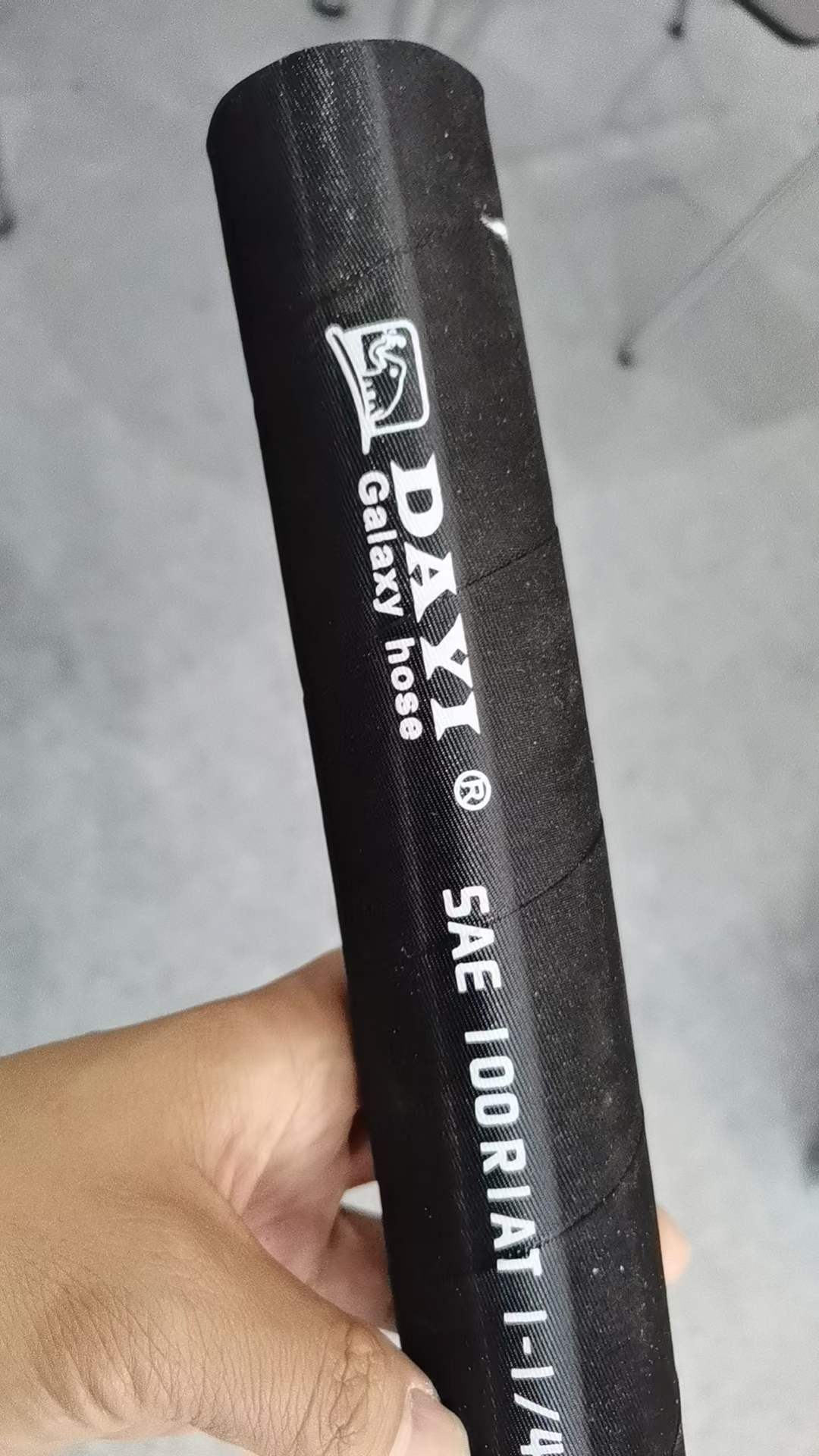
Performance & Engineering
The performance of a high-pressure thermoplastic hose is governed by a complex interplay of material properties and engineering design. Force analysis, particularly stress-strain relationships under internal pressure, is paramount in determining safe operating limits. Hoop stress, circumferential stress, and longitudinal stress within the hose wall must be carefully calculated to prevent rupture or deformation. Environmental resistance is another key consideration. Prolonged exposure to UV radiation, extreme temperatures, and corrosive chemicals can lead to material degradation, reducing the hose’s lifespan and compromising its integrity. Thermoplastic materials exhibit varying degrees of permeability to gases and liquids, influencing their suitability for specific applications. Compliance with industry standards, such as SAE J517 and EN 853, dictates specific performance requirements, including burst pressure, fatigue resistance, and chemical compatibility. Functional implementation often necessitates specialized end fittings designed to withstand high pressures and prevent leakage. The selection of fitting material (e.g., carbon steel, stainless steel, brass) and attachment method (crimping, swaging, threading) is crucial for ensuring a robust and reliable connection. Furthermore, considerations like bend radius, hose length, and operating temperature impact stress concentration and potential failure points. Proper hose routing and support are essential to minimize stress and maximize service life. Finite Element Analysis (FEA) is increasingly used to simulate hose behavior under various loading conditions, optimizing design parameters and identifying potential weaknesses.
Technical Specifications
| Parameter | Nylon 6 | Polyurethane | Polypropylene | Typical Application |
|---|---|---|---|---|
| Working Pressure (PSI) | Up to 5,000 | Up to 4,000 | Up to 3,000 | Hydraulic Systems, Pneumatics |
| Burst Pressure (PSI) | 15,000 | 12,000 | 9,000 | Emergency Shut-Off Systems |
| Temperature Range (°F) | -40 to 250 | -65 to 175 | 32 to 175 | Chemical Transfer, Fuel Lines |
| Chemical Resistance | Good to Oils, Fuels, Solvents | Excellent to Oils, Fuels | Excellent to Acids, Alkalis | Aggressive Chemical Environments |
| Abrasion Resistance | Excellent | Good | Moderate | High-Wear Applications |
| Flexibility | Moderate | Excellent | Moderate | Tight Bend Radius Applications |
Failure Mode & Maintenance
Failure modes in high-pressure thermoplastic hoses are diverse and often interconnected. Fatigue cracking, resulting from repeated pressure cycling and flexing, is a common occurrence, particularly in areas of high stress concentration (e.g., near end fittings). Delamination of reinforcement layers can occur due to inadequate adhesion or environmental degradation, leading to a reduction in burst pressure. Chemical attack, particularly from aggressive solvents or corrosive fluids, can cause polymer swelling, softening, and ultimately, leakage or rupture. Oxidation, accelerated by elevated temperatures and exposure to oxygen, can lead to material embrittlement and cracking. Abrasion, caused by contact with abrasive surfaces or particulate matter in the fluid stream, can wear away the polymer matrix, reducing wall thickness and compromising pressure containment. Maintenance strategies include regular visual inspections for signs of cracking, swelling, or abrasion. Pressure testing (hydrostatic) should be conducted periodically to verify hose integrity. End fittings should be inspected for corrosion or damage. Proper storage conditions – away from direct sunlight, extreme temperatures, and harsh chemicals – are crucial for extending hose lifespan. When replacing hoses, it is essential to use compatible end fittings and ensure proper crimping or swaging. Implementing a preventative maintenance program, including regular inspections and scheduled replacements, can significantly reduce the risk of unexpected failures and ensure safe and reliable operation. Furthermore, proper hose routing and support systems contribute to minimizing stress and extending the service life of the hose assembly.
Industry FAQ
Q: What are the key differences between nylon and polyurethane thermoplastic hoses in terms of chemical compatibility?
A: While both nylon and polyurethane offer good chemical resistance, polyurethane generally exhibits superior resistance to oils, fuels, and aliphatic hydrocarbons. Nylon is more resistant to certain solvents and bases, but can be susceptible to attack by strong acids. The specific chemical compatibility should always be verified using a chemical resistance chart before selecting a hose for a particular application.
Q: How does the reinforcement material affect the working pressure of a thermoplastic hose?
A: The reinforcement material directly dictates the hose’s ability to withstand internal pressure. High-tensile strength materials like Aramid fibers or steel wire provide greater structural support, allowing for higher working and burst pressure ratings. Increasing the number of reinforcement layers also increases pressure capability, but can reduce hose flexibility.
Q: What is the impact of temperature on the performance of thermoplastic hoses?
A: Temperature significantly influences the mechanical properties of thermoplastic materials. Elevated temperatures can reduce tensile strength, increase flexibility (potentially leading to excessive expansion), and accelerate chemical degradation. Conversely, low temperatures can cause embrittlement and reduce impact resistance. It is crucial to select a hose with a temperature rating that matches the operating conditions.
Q: How can I prevent premature failure due to fatigue cracking?
A: Minimizing pressure surges, avoiding excessive bending or twisting, and ensuring proper hose support are critical for preventing fatigue cracking. Selecting a hose with a sufficiently high fatigue resistance rating and implementing a regular inspection program to identify early signs of cracking are also essential.
Q: What are the common causes of leakage at end fittings?
A: Leakage at end fittings can be caused by improper crimping or swaging, corrosion of the fitting material, damage to the sealing surfaces, or incompatibility between the hose and fitting materials. Ensuring proper fitting attachment, using compatible materials, and regularly inspecting fittings for damage are crucial for preventing leaks.
Conclusion
OEM high-pressure thermoplastic hoses represent a sophisticated engineering solution for fluid conveyance in demanding industrial environments. Their superior chemical resistance, abrasion resistance, and temperature stability, coupled with their ability to withstand high pressures, make them a preferred alternative to traditional rubber hoses in many applications. The selection of the appropriate thermoplastic material, reinforcement configuration, and end fitting attachment method is paramount to ensuring optimal performance and longevity.
Ongoing innovation in polymer science and manufacturing processes continues to drive improvements in hose performance and expands the range of applications. A thorough understanding of material properties, failure modes, and industry standards is essential for engineers and procurement professionals involved in the specification and maintenance of these critical components. Investing in quality hoses and implementing a robust preventative maintenance program are key to minimizing downtime, ensuring operational safety, and maximizing return on investment.