
Apr . 01, 2024 17:55 Back to list
oem high pressure thermoplastic hose factories Performance Analysis

Introduction
OEM high pressure thermoplastic hoses are critical components in a wide range of industrial applications, including hydraulic systems, fluid transfer, and high-pressure cleaning. These hoses are engineered to withstand extreme pressures, temperatures, and chemical exposure, offering a robust and reliable solution compared to traditional rubber hoses. They occupy a specific niche in the fluid conveyance industry, bridging the gap between the cost-effectiveness of rubber and the superior performance characteristics of stainless steel tubing. Core performance characteristics include burst pressure, working pressure, temperature resistance, and chemical compatibility. The increasing demand for lighter, more durable, and chemically resistant fluid transfer solutions drives the growth of the OEM high-pressure thermoplastic hose market. The critical pain point in the industry lies in consistent quality control across diverse manufacturing locations and the ability to meet increasingly stringent environmental and safety regulations, such as REACH and RoHS.
Material Science & Manufacturing
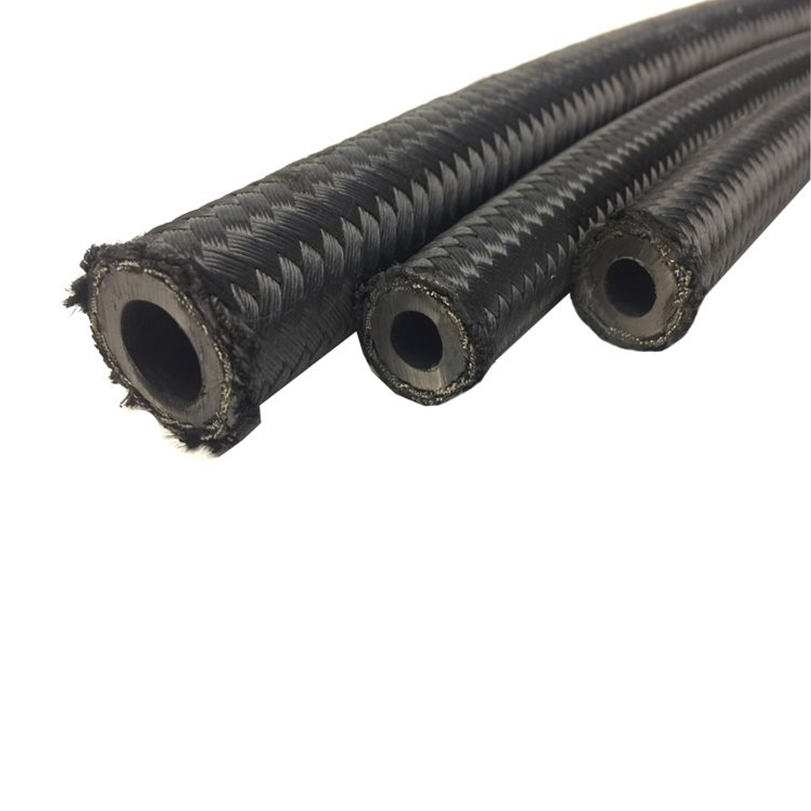
High pressure thermoplastic hoses are typically constructed from a combination of materials, each contributing to specific performance characteristics. The inner tube is commonly composed of polymers such as Polyamide (Nylon), Polypropylene (PP), or Polyvinylidene Fluoride (PVDF), selected based on the intended fluid compatibility and temperature range. Nylon 12, for example, offers excellent resistance to hydrocarbons and high pressures, while PVDF provides exceptional chemical resistance. Reinforcement layers, crucial for pressure containment, utilize high-tensile strength fibers like aramid (Kevlar), steel wire, or a combination of both. The number and orientation of these layers directly influence the hose’s burst pressure. An outer cover, usually made from Polyurethane (PU) or Polyether Polyurethane (PEU), provides abrasion, weather, and ozone resistance. Manufacturing processes typically involve extrusion of the inner tube, helical winding of reinforcement layers, and subsequent extrusion of the outer cover. Precise control of extrusion temperatures, fiber tension during winding, and vulcanization (where applicable) are paramount. Post-manufacturing, rigorous pressure testing is conducted to ensure each hose meets specified burst pressure requirements. Parameter control during extrusion—specifically melt temperature, screw speed, and die pressure—are critical to achieving consistent wall thickness and eliminating imperfections that can lead to failure.
Performance & Engineering
The performance of a high-pressure thermoplastic hose is governed by several key engineering principles. Hose design necessitates accurate force analysis to determine the required reinforcement strength to withstand the internal pressure. The hoop stress in the hose wall is directly proportional to the pressure and radius, necessitating careful material selection and layer construction. Environmental resistance is another critical consideration. Prolonged exposure to UV radiation can degrade the outer cover, leading to cracking and reduced abrasion resistance. Temperature extremes can affect the polymer’s flexibility and strength. Compliance requirements, dictated by standards such as SAE J517 and ISO 6807, define testing procedures and performance criteria. Functional implementation requires understanding the hose’s bend radius limitations and ensuring proper fitting selection to prevent stress concentrations. Fittings must be designed to securely grip the hose without damaging the reinforcement layers. Failure to adhere to these engineering principles can result in premature failure, posing significant safety risks. Specifically, dynamic bending and pulsation can induce fatigue failure in the reinforcement layers, demanding careful consideration of hose assembly design and vibration dampening techniques. Furthermore, compatibility of the hose material with the conveyed fluid is vital; incompatibility can lead to swelling, softening, or chemical attack.
Technical Specifications
| Parameter | Nylon 12 Hose | Polypropylene Hose | PVDF Hose | Steel Wire Reinforced Hose |
|---|---|---|---|---|
| Working Pressure (PSI) | 3000 | 2000 | 4000 | 5000 |
| Burst Pressure (PSI) | 9000 | 6000 | 12000 | 15000 |
| Temperature Range (°F) | -40 to 212 | -20 to 176 | -65 to 284 | -40 to 212 |
| Chemical Compatibility | Hydrocarbons, Oils | Acids, Alkalis | Strong Acids, Solvents | General Industrial Fluids |
| Outer Cover Material | Polyurethane | Polyurethane | Polyether Polyurethane | Polyurethane |
| Reinforcement Material | Aramid Fiber | Aramid Fiber | Aramid Fiber | High-Tensile Steel Wire |
Failure Mode & Maintenance
Failure modes in high-pressure thermoplastic hoses are diverse and can stem from various factors. Fatigue cracking, particularly in the reinforcement layers, is common in applications involving cyclical pressure and bending. Delamination, the separation of layers, can occur due to improper bonding or exposure to harsh chemicals. Polymer degradation, caused by UV radiation, temperature extremes, or chemical attack, leads to embrittlement and reduced strength. Oxidation can also degrade the polymer matrix over time. Kinking, caused by exceeding the minimum bend radius, creates stress concentrations and can lead to rupture. Failure analysis often reveals that a combination of factors contributes to hose failure. Maintenance is crucial for extending hose life. Regular visual inspections should be conducted to identify any signs of damage, such as cracks, abrasions, or swelling. Hoses should be replaced if they show any signs of deterioration. Proper storage, away from direct sunlight and extreme temperatures, is essential. Avoid sharp bends and ensure fittings are securely tightened. Furthermore, monitoring fluid compatibility and preventing contamination can significantly reduce the risk of chemical attack and premature failure. Implementing a preventative maintenance schedule and maintaining detailed records of hose usage can help identify potential problems before they lead to catastrophic failures.
Industry FAQ
Q: What are the key differences between nylon and polypropylene thermoplastic hoses in terms of chemical resistance?
A: Nylon 12 generally exhibits superior resistance to hydrocarbons, oils, and fuels compared to polypropylene. Polypropylene, however, offers better resistance to acids and alkalis. The selection depends heavily on the specific fluid being conveyed. For applications involving petroleum-based products, nylon is typically preferred. For corrosive chemicals, polypropylene may be more suitable.
Q: How does the reinforcement material impact the burst pressure of a thermoplastic hose?
A: The reinforcement material provides the tensile strength necessary to contain the internal pressure. Steel wire reinforcement typically results in the highest burst pressure, followed by aramid fiber. Increasing the number of reinforcement layers also increases the burst pressure. The orientation of the fibers (braided vs. spiraled) also influences performance.
Q: What is the impact of exceeding the minimum bend radius on hose lifespan?
A: Exceeding the minimum bend radius creates localized stress concentrations within the hose wall, particularly in the reinforcement layers. This can lead to premature fatigue failure, even at pressures below the rated working pressure. Maintaining the specified bend radius is critical for ensuring hose longevity.
Q: How do I determine the appropriate hose for a specific application involving high temperatures and aggressive chemicals?
A: A thorough evaluation of both the temperature and chemical compatibility is crucial. Consult material compatibility charts and consider testing the hose material with the intended fluid under operating conditions. PVDF hoses are generally preferred for highly corrosive environments and high temperatures. Always verify the hose’s temperature and chemical resistance ratings before use.
Q: What are the common causes of delamination in thermoplastic hoses and how can it be prevented?
A: Delamination is often caused by poor adhesion between layers during manufacturing, exposure to incompatible chemicals, or excessive stress. Prevention involves ensuring proper bonding during manufacturing, selecting chemically compatible materials, and avoiding exceeding the hose’s pressure and temperature limits. Regular inspections can also identify early signs of delamination.
Conclusion
OEM high pressure thermoplastic hoses represent a significant advancement in fluid conveyance technology, offering a compelling combination of performance, durability, and chemical resistance. Careful consideration of material selection, manufacturing processes, and engineering principles is paramount to ensuring reliable operation and preventing premature failure. The increasing demands for higher pressures, more aggressive fluids, and stricter safety standards will continue to drive innovation in this field.
The future of thermoplastic hose technology will likely focus on the development of new polymer materials with enhanced properties, improved manufacturing techniques to reduce costs, and the integration of smart sensors for real-time monitoring of hose condition and performance. Adherence to relevant international standards and a proactive approach to maintenance are essential for maximizing hose lifespan and ensuring operational safety.