
Apr . 01, 2024 17:55 Back to list
oem high pressure rubber hose suppliers Performance Analysis
Introduction
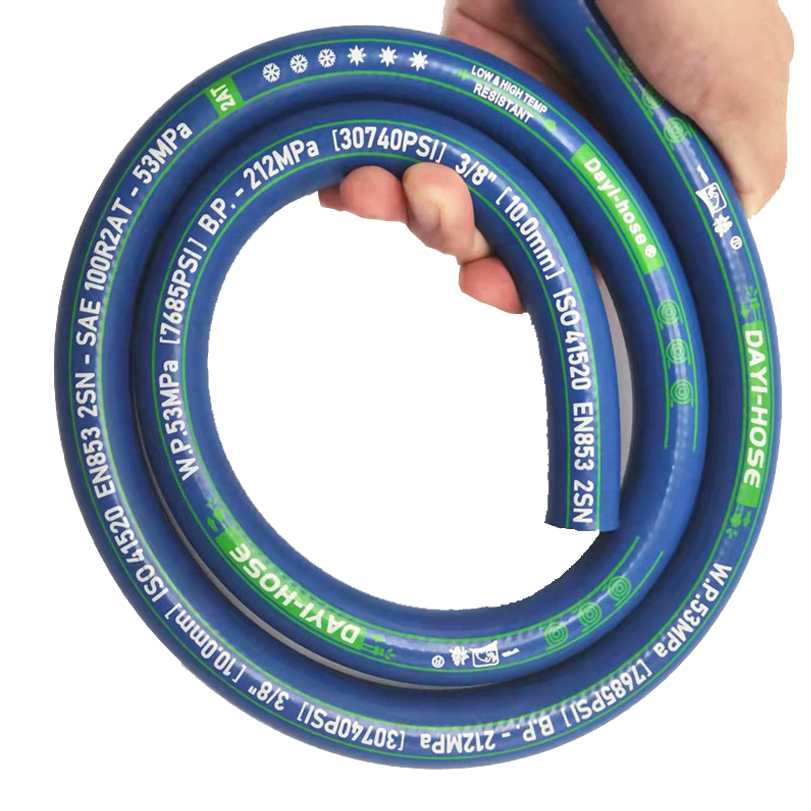
OEM high-pressure rubber hoses are critical components in numerous industrial applications, ranging from hydraulic systems in heavy machinery to fluid transfer in oil and gas exploration. These hoses are engineered to reliably convey fluids – hydraulic oil, water, chemicals, and gases – at elevated pressures and often, extreme temperatures. Their performance is directly linked to the efficiency, safety, and longevity of the systems they serve. This guide provides an in-depth technical overview of high-pressure rubber hoses, encompassing material science, manufacturing processes, performance characteristics, failure modes, and relevant industry standards. The selection of an appropriate hose necessitates a thorough understanding of the operating conditions, fluid compatibility, and applicable regulatory requirements. The core pain point in this industry lies in balancing cost with guaranteed performance and longevity, particularly concerning resistance to chemical degradation, abrasion, and catastrophic failure under pressure.
Material Science & Manufacturing
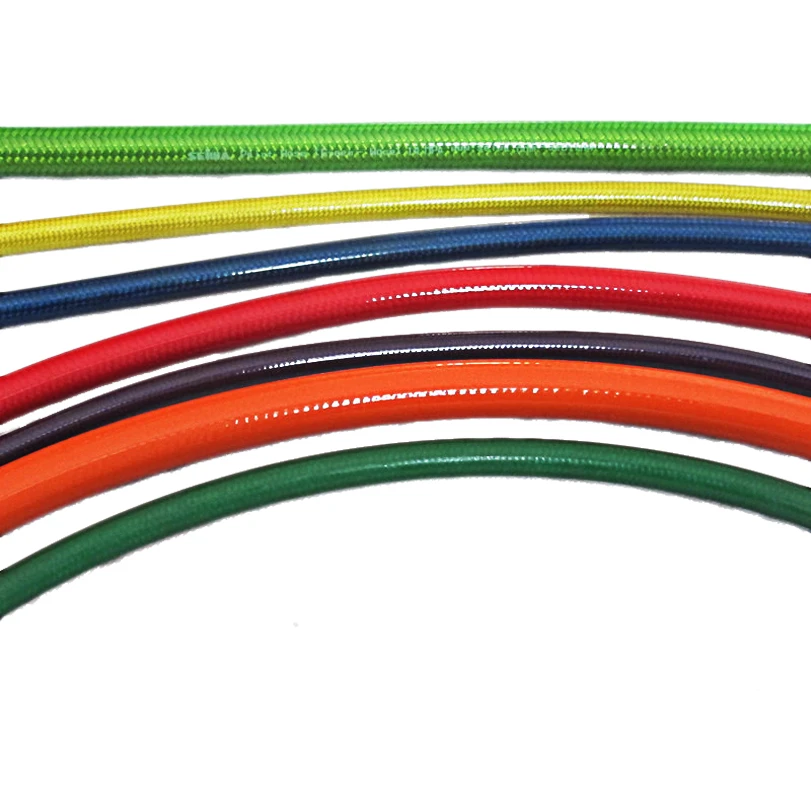
High-pressure rubber hoses are rarely constructed from a single material; instead, they are typically composite structures. The core material is usually a synthetic rubber compound, chosen for its specific properties. Common elastomers include nitrile rubber (NBR) for oil resistance, ethylene propylene diene monomer (EPDM) for water and weathering resistance, and chloroprene rubber (CR) – neoprene – for a broad range of applications. Fluoropolymers like FKM (Viton) are used in highly corrosive environments. Reinforcement layers are critical for withstanding high pressures. These commonly comprise multiple plies of high-tensile strength textile braids (typically polyester or aramid fibers like Kevlar) or spirally wound steel wire. The cover layer, often a synthetic rubber like polyurethane, provides abrasion resistance, weathering protection, and chemical compatibility.
Manufacturing typically involves several key steps. First, the inner tube is extruded, forming the continuous core. Reinforcement layers are then applied, either through braiding machines or spiral winding processes. Precise control of tension and helix angle is crucial for uniform pressure resistance. Following reinforcement, the outer cover is extruded. The hose is then vulcanized – a process involving heating the rubber compound in a mold under pressure to cross-link the polymer chains, imparting elasticity and strength. Key parameters during vulcanization include temperature, pressure, and curing time. Improper vulcanization can lead to under-cured rubber (low strength) or over-cured rubber (brittle and prone to cracking). Quality control includes pressure testing to burst pressure, impulse testing to simulate dynamic loading, and dimensional checks to ensure adherence to specifications. Chemical resistance testing confirms compatibility with the intended fluids.
Performance & Engineering
The performance of a high-pressure rubber hose is dictated by several engineering considerations. Burst pressure, the maximum pressure the hose can withstand before rupture, is a fundamental parameter. However, working pressure, typically a fraction (e.g., 1/4) of the burst pressure, is the critical operating limit. Impulse pressure – the cyclical pressure fluctuations common in hydraulic systems – introduces fatigue stresses that can lead to premature failure. The hose's ability to withstand these cycles is crucial. Temperature plays a significant role; both high and low temperatures can degrade the rubber compound and reduce its elasticity. Hose bend radius is also critical. Exceeding the minimum bend radius creates stress concentrations that weaken the hose wall. Furthermore, fluid compatibility is paramount. Incompatible fluids can cause swelling, softening, or cracking of the rubber, leading to leaks and failure. Finite Element Analysis (FEA) is frequently employed in the design process to optimize hose geometry and reinforcement configuration for specific pressure and temperature conditions. Compliance with industry standards, such as SAE J517 (for hydraulic hoses) and ISO 3862 (for textile reinforced hydraulic hoses), ensures that the hose meets minimum performance requirements.
Technical Specifications
| Parameter | Unit | Typical Value (Hydraulic Hose) | Testing Standard |
|---|---|---|---|
| Working Pressure | MPa | 20 - 40 | SAE J517 |
| Burst Pressure | MPa | 80 - 160 | SAE J517 |
| Temperature Range | °C | -40 to +100 | SAE J517 |
| Reinforcement Type | - | 2 or 4 Textile Braid / Spiral Steel Wire | ISO 3862 |
| Inner Tube Material | - | NBR, EPDM, FKM | ASTM D2000 |
| Cover Material | - | Polyurethane | ASTM D2000 |
Failure Mode & Maintenance
High-pressure rubber hoses are susceptible to several failure modes. Fatigue cracking, caused by repeated pressure cycles, often initiates at stress concentration points such as fittings or bends. Delamination – the separation of reinforcement layers – can occur due to inadequate adhesion between the rubber and reinforcement materials. Swelling or degradation of the rubber compound due to incompatible fluids leads to leaks and reduced pressure capacity. Abrasion from external sources can wear through the cover layer, exposing the reinforcement. Oxidation and ozone cracking, particularly in EPDM hoses exposed to UV radiation, can cause surface cracks and eventual failure. Pinholes can develop due to flaws in the rubber compound or contamination during manufacturing.
Preventative maintenance is crucial. Regular visual inspections should be conducted to identify signs of damage, such as cracks, abrasions, swelling, or leaks. Hoses should be replaced if they show any signs of deterioration. Proper routing and support are essential to prevent excessive bending and abrasion. The correct fittings must be used and properly crimped to ensure a leak-free seal. Fluid compatibility must be verified before use. Avoid exceeding the working pressure or temperature limits. Proper storage, away from direct sunlight and ozone sources, extends hose life. Detailed records of hose usage and maintenance are recommended for critical applications. For critical applications, periodic pressure testing should be performed according to manufacturer recommendations and relevant standards.
Industry FAQ
Q: What is the difference between a braided and spiral hose, and which is better for high-pressure applications?
A: Braided hoses utilize multiple layers of textile reinforcement woven together, offering good flexibility. Spiral hoses employ a single wire helix wound around the inner tube, providing significantly higher pressure capacity and resistance to kinking. For extremely high-pressure applications, spiral hoses are generally preferred, but they are less flexible. The choice depends on the specific pressure requirements, bend radius limitations, and application environment.
Q: How does temperature affect the performance of a rubber hose?
A: Elevated temperatures can reduce the rubber's tensile strength and elasticity, lowering the working pressure. Extreme cold can cause the rubber to become brittle and more susceptible to cracking. Hose materials are typically rated for specific temperature ranges; exceeding these limits can lead to premature failure. Proper material selection is crucial for applications involving extreme temperatures.
Q: What are the common causes of hose leaks?
A: Leaks can be caused by several factors, including damage to the inner tube (abrasion, chemical attack), faulty fittings (improper crimping, corrosion), or failure of the reinforcement layers (delamination, fatigue cracking). Regular inspection and proper maintenance can help identify and address potential leak points.
Q: How do I determine the correct hose size for my application?
A: Hose size is determined by the flow rate and pressure requirements of the system. Incorrect sizing can lead to excessive pressure drop or inadequate flow. Consulting with a hose supplier and providing detailed application data (fluid type, pressure, flow rate, temperature) is essential for proper hose selection.
Q: What is the impact of fluid compatibility on hose life?
A: Fluid incompatibility can cause the rubber compound to swell, soften, or crack, leading to leaks and premature failure. It's crucial to select a hose material that is chemically compatible with the intended fluid. Refer to chemical resistance charts provided by hose manufacturers to ensure compatibility.
Conclusion
OEM high-pressure rubber hoses are engineered components requiring a holistic understanding of material science, manufacturing processes, and operational parameters. Ensuring reliable performance demands careful consideration of working pressure, temperature range, fluid compatibility, and potential failure modes. The longevity and safety of hydraulic and fluid transfer systems are directly dependent on the appropriate selection, installation, and maintenance of these critical components.
Future advancements in rubber hose technology will likely focus on developing more durable materials, improving manufacturing techniques, and incorporating smart sensing capabilities for real-time monitoring of hose condition. Continued adherence to industry standards and a proactive approach to preventative maintenance will remain paramount in mitigating the risk of failure and maximizing the lifecycle of high-pressure rubber hose systems.