
Apr . 01, 2024 17:55 Back to list
oem high pressure rubber hose manufacturers Performance Analysis

Introduction
OEM high pressure rubber hose manufacturers serve a critical role in numerous industrial applications, providing fluid transfer solutions for sectors including oil and gas, automotive, construction, agriculture, and manufacturing. These hoses are engineered to withstand extreme pressures, temperatures, and corrosive fluids, requiring stringent material selection and manufacturing processes. The technical position within the supply chain is typically as a Tier 2 or Tier 3 supplier, providing custom-engineered components to OEMs who integrate them into larger systems. Core performance characteristics center around burst pressure, working pressure, temperature resistance, chemical compatibility, and dimensional stability. A key industry pain point revolves around ensuring consistent quality and traceability to meet demanding safety standards and prevent catastrophic failures. Furthermore, optimizing hose life and minimizing weight while maintaining performance are constant challenges.
Material Science & Manufacturing
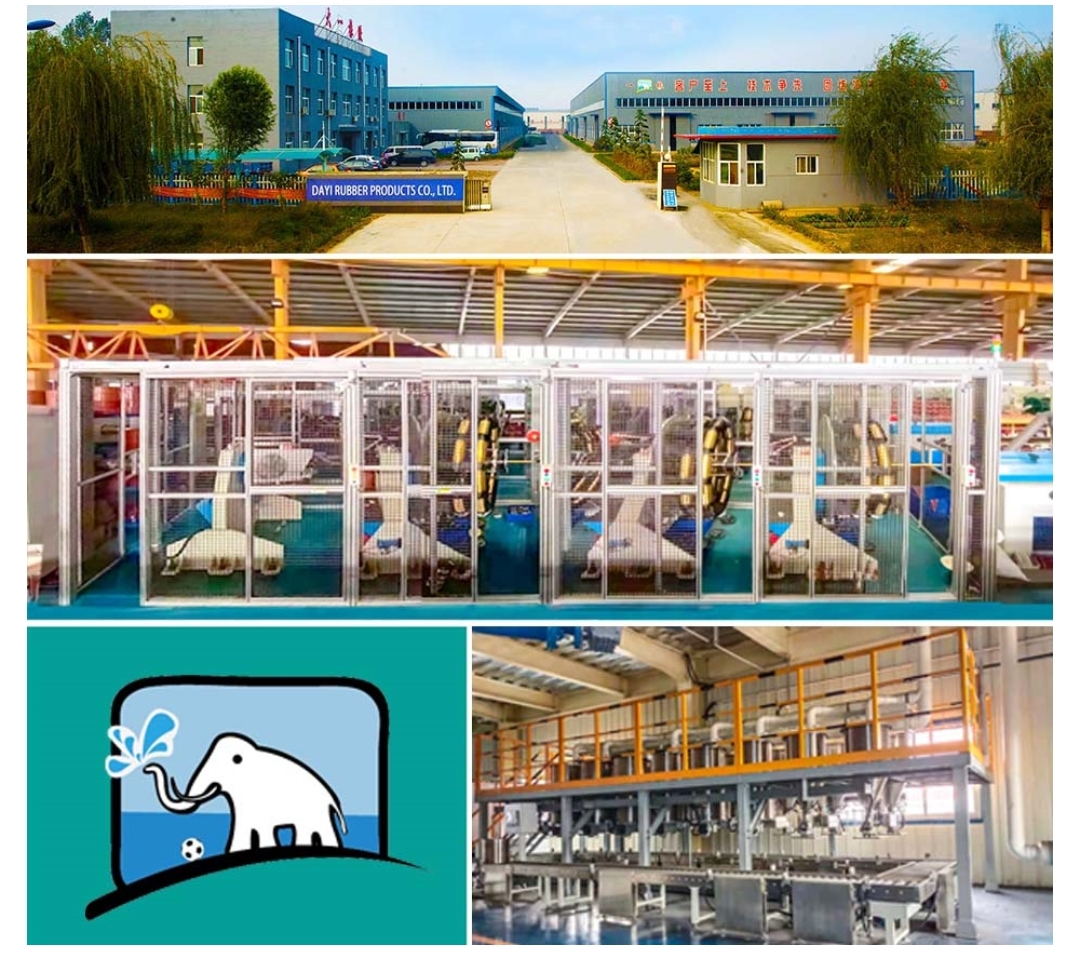
High pressure rubber hoses are typically constructed from a multi-layered composite. The inner tube, crucial for fluid compatibility, often utilizes synthetic rubbers like nitrile (NBR), ethylene propylene diene monomer (EPDM), or fluorocarbon (FKM/Viton) depending on the conveyed media. NBR provides excellent oil resistance; EPDM offers superior resistance to heat, ozone, and weathering; and FKM is chosen for highly corrosive chemicals and extreme temperatures. Reinforcement layers, providing the structural strength to withstand pressure, commonly consist of high-tensile steel wire (single or multiple spirals), aramid fiber (Kevlar), or a combination thereof. The outer cover, providing abrasion and environmental protection, is typically a synthetic rubber blend like SBR or CR. Manufacturing processes vary based on hose type and complexity. For spiral-wound hoses, continuous strips of rubber and steel wire are simultaneously wrapped around a mandrel and vulcanized. Braided hoses involve intertwining high-tensile wires, followed by rubber impregnation and vulcanization. Key parameter control during manufacturing includes precise wire tension, rubber compound mixing ratios, curing time and temperature, and dimensional inspection. Proper vulcanization is critical for achieving optimal rubber properties, including elasticity, tensile strength, and resistance to degradation. Incorrect curing can lead to under-cured rubber (low strength) or over-cured rubber (brittleness).
Performance & Engineering
The performance of a high pressure rubber hose is governed by fundamental principles of stress-strain analysis and fluid mechanics. Hoop stress, induced by internal pressure, is directly proportional to the pressure and radius, and inversely proportional to the wall thickness. Reinforcement layers are engineered to counteract this stress and prevent hose rupture. Burst pressure is typically defined as the pressure at which the hose fails catastrophically, while working pressure is a significantly lower value (often a 4:1 safety factor) representing the maximum allowable operating pressure. Fatigue life, the number of pressure cycles a hose can withstand before failure, is a critical performance metric, especially in applications with pulsating pressures. Environmental resistance is also paramount. Exposure to ozone, UV radiation, extreme temperatures, and corrosive fluids can degrade the rubber compounds, leading to reduced flexibility, cracking, and eventual failure. Compliance requirements vary by industry and region. For example, hoses used in hydraulic systems must comply with SAE standards (e.g., SAE J517), while those used in food processing applications must meet FDA regulations. Proper hose assembly, including the selection of compatible fittings and correct crimping procedures, is essential for ensuring safe and reliable operation. Incorrect crimping can lead to fitting leakage or hose blow-off.
Technical Specifications
| Parameter | Unit | Typical Value (NBR Lined, Steel Wire Reinforced) | Testing Standard |
|---|---|---|---|
| Working Pressure | PSI | 4000 | SAE J517 |
| Burst Pressure | PSI | 16000 | SAE J517 |
| Temperature Range | °F | -40 to +212 | ASTM D395 |
| Inner Tube Material | - | Nitrile (NBR) | ASTM D2000 |
| Reinforcement Material | - | High Tensile Steel Wire | ASTM A938 |
| Outer Cover Material | - | Synthetic Rubber (SBR) | ASTM D2000 |
Failure Mode & Maintenance
High pressure rubber hoses are susceptible to various failure modes. Fatigue cracking, initiated by repeated pressure cycling, typically occurs at the inner tube/reinforcement interface. Delamination, the separation of reinforcement layers, can result from inadequate adhesion or exposure to corrosive fluids. Rubber degradation, caused by ozone, UV radiation, and chemical attack, leads to loss of flexibility and cracking. Abrasion, from external contact with rough surfaces, can compromise the outer cover and expose the reinforcement layers. Oxidation, a chemical reaction with oxygen, causes hardening and cracking of the rubber compounds. Common maintenance practices include regular visual inspections for cracks, abrasions, and leaks. Pressure testing, performed periodically, can identify hoses with reduced burst pressure. Proper storage, away from direct sunlight and extreme temperatures, can prolong hose life. When replacing a hose, it's crucial to use compatible fittings and ensure correct crimping procedures. Avoid sharp bends or kinks, as these can create stress concentrations and accelerate failure. Any hose exhibiting signs of damage or degradation should be replaced immediately. Detailed failure analysis, including microscopic examination of fractured surfaces, can help identify the root cause of failure and prevent recurrence.
Industry FAQ
Q: What is the impact of fluid velocity on hose life?
A: Higher fluid velocities can lead to increased erosion of the inner tube, especially when abrasive particles are present in the fluid. This erosion can thin the inner tube wall, reducing its ability to withstand pressure and accelerating fatigue failure. Properly sizing the hose diameter to maintain appropriate fluid velocity is crucial.
Q: How does temperature affect the working pressure of a rubber hose?
A: Generally, as temperature increases, the working pressure of a rubber hose decreases. This is because the rubber compounds lose stiffness and strength at elevated temperatures. Hose manufacturers provide derating charts that specify the allowable working pressure at different temperatures.
Q: What are the key considerations when selecting a hose for hydraulic applications?
A: Key considerations include the system pressure, fluid type, temperature range, and flow rate. The hose must be compatible with the hydraulic fluid and capable of withstanding the maximum system pressure with an adequate safety factor. Also, consider the hose's flexibility and bend radius to ensure proper routing within the system.
Q: What are the common causes of hose fitting leakage?
A: Common causes include improper crimping, damaged fittings, incompatible fittings, and debris between the hose and fitting. Ensure that the fittings are correctly crimped according to the manufacturer's specifications and that the hose and fitting are compatible in terms of size and material.
Q: How important is traceability in high pressure hose manufacturing?
A: Traceability is critically important, particularly in safety-critical applications. It allows manufacturers and users to track the hose's origin, materials used, manufacturing date, and testing results. This information is essential for investigating failures and implementing corrective actions.
Conclusion
OEM high pressure rubber hose manufacturing is a technically demanding field requiring a deep understanding of material science, manufacturing processes, and engineering principles. Maintaining consistent quality, ensuring compatibility with diverse fluids, and maximizing hose life are paramount concerns. Careful consideration must be given to operating conditions, including pressure, temperature, and environmental factors, to select the appropriate hose for a given application.
Future advancements in hose technology will likely focus on the development of lighter-weight materials, improved chemical resistance, and enhanced durability. The integration of sensor technology to monitor hose condition and predict failures is also an emerging trend. Adherence to stringent industry standards and rigorous quality control procedures are essential for ensuring the safe and reliable operation of high pressure rubber hose systems.