
Apr . 01, 2024 17:55 Back to list
oem high pressure rubber hose manufacturer Performance Analysis
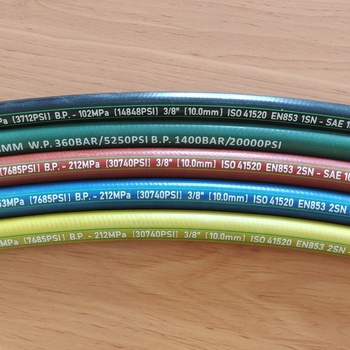
Introduction
High-pressure rubber hoses are critical components in a diverse range of industrial applications, including hydraulic systems, automotive engineering, oil and gas extraction, and heavy machinery operation. OEM (Original Equipment Manufacturer) high-pressure rubber hoses represent a specialized segment focused on providing customized solutions directly to manufacturers integrating these hoses into their end products. These hoses are engineered to reliably convey fluids – hydraulic oil, water, air, chemicals, and gases – under extreme pressure and varying environmental conditions. Core performance characteristics include burst pressure, working pressure, temperature resistance, fluid compatibility, and dimensional stability. The industry is increasingly driven by demands for higher safety margins, extended service life, and reduced environmental impact, leading to a focus on advanced materials and manufacturing processes. A key pain point for manufacturers is ensuring consistent hose performance across large production runs and mitigating premature failure due to material degradation or manufacturing defects. This guide provides a comprehensive technical overview of OEM high-pressure rubber hoses, encompassing material science, manufacturing processes, performance parameters, failure modes, and relevant industry standards.
Material Science & Manufacturing
The core construction of a high-pressure rubber hose typically involves four key layers: the inner tube, reinforcement layers, and the outer cover. The inner tube, which directly contacts the conveyed fluid, is commonly composed of synthetic rubbers like Nitrile (NBR), Ethylene Propylene Diene Monomer (EPDM), Chloroprene (CR – Neoprene), or Fluorocarbon (FKM – Viton), selected based on fluid compatibility and temperature requirements. NBR offers excellent resistance to petroleum-based fluids, while EPDM excels in water and steam applications. FKM provides superior resistance to aggressive chemicals and high temperatures but at a higher cost. Reinforcement layers, providing the hose's strength and pressure resistance, are typically braided or spiraled with high-tensile steel wire, Aramid fiber (e.g., Kevlar), or synthetic fibers. Steel wire provides the highest strength, while Aramid offers a lighter weight and improved flexibility. The outer cover, protecting the reinforcement layers from abrasion, UV exposure, and environmental damage, is generally formulated from synthetic rubbers like CR, EPDM, or polyurethane.
Manufacturing processes vary depending on hose type and complexity. Braided hoses are manufactured by interlacing wires around a mandrel forming the inner tube, followed by vulcanization – a chemical process that crosslinks the rubber polymers, imparting elasticity and strength. Spiraled hoses utilize a continuous wire helix wrapped around the inner tube, also followed by vulcanization. Injection molding is used for producing hose ends and fittings, often incorporating metal inserts for secure connections. Critical parameters during manufacturing include precise control of rubber compound formulation, wire tension during braiding or spiraling, curing temperature and time, and dimensional accuracy. Inconsistent curing can lead to variations in physical properties, while improper wire tension can compromise burst strength. Quality control procedures involve regular testing of raw materials, in-process inspections, and final hydrostatic pressure testing to ensure compliance with specifications.

Performance & Engineering
The performance of a high-pressure rubber hose is fundamentally governed by its ability to withstand internal pressure without rupture or leakage. Burst pressure, typically four times the working pressure, is a critical specification. Working pressure is determined by the hose’s construction – tube thickness, reinforcement density, and material properties. Finite element analysis (FEA) is commonly employed during the design phase to model stress distribution under pressure and optimize hose geometry. Hose flexibility is another important consideration, influencing its ease of installation and resistance to kinking. This is particularly crucial in dynamic applications involving bending and movement.
Environmental resistance is paramount. Exposure to extreme temperatures, UV radiation, ozone, and chemicals can degrade rubber compounds, leading to reduced flexibility, cracking, and eventual failure. Testing standards (e.g., ASTM D2000 for hydrocarbon fluid resistance) define exposure parameters and acceptable degradation limits. Furthermore, hose assemblies must meet relevant safety regulations, such as those pertaining to hydraulic systems in mobile machinery or oil and gas exploration. Compliance with these standards often requires specific certifications and traceability of materials. The hose's end connections are also critical engineering components. Threaded connections, crimped fittings, and quick-disconnect couplings must be designed to withstand the same pressure and temperature as the hose itself, and to prevent leakage or separation under stress. Fatigue analysis is used to determine the hose's lifespan under cyclic pressure loading, identifying potential failure points and optimizing the design for extended service life.
Technical Specifications
| Parameter | Unit | Typical Value (Hydraulic Hose) | Testing Standard |
|---|---|---|---|
| Working Pressure | MPa | 20 - 40 | SAE J517 |
| Burst Pressure | MPa | 80 - 160 | SAE J517 |
| Temperature Range | °C | -40 to +100 | ISO 6807 |
| Inner Tube Material | - | NBR, EPDM | ASTM D2000 |
| Reinforcement Material | - | Steel Wire, Aramid | ASTM E8 |
| Outer Cover Material | - | CR, EPDM | ASTM D2000 |
Failure Mode & Maintenance
High-pressure rubber hoses are susceptible to several failure modes. Fatigue cracking, induced by cyclic pressure loading, is a common failure mechanism, particularly in applications with frequent pressure fluctuations. This typically initiates at the inner tube surface or around reinforcement wires. Hydrolytic degradation, caused by absorption of water into the rubber matrix, can lead to swelling and loss of mechanical properties, particularly in polyester-reinforced hoses. Chemical attack, from incompatible fluids, can cause swelling, softening, or cracking of the inner tube. Ozone cracking, caused by exposure to ozone, manifests as surface cracks in the outer cover. Abrasion and impact damage can compromise the outer cover, exposing the reinforcement layers to corrosion.
Preventive maintenance is crucial for maximizing hose service life. Regular visual inspections should be conducted to identify signs of cracking, swelling, abrasion, or leakage. Hose assemblies should be protected from sharp bends, twisting, and direct impact. Proper hose routing and support are essential to prevent excessive stress. Fluid compatibility should be verified before use, and hoses should be replaced if exposed to incompatible fluids. Regular pressure testing can help identify weakening hoses before they fail catastrophically. When replacing hoses, it's crucial to use correctly specified fittings and ensure proper crimping or tightening. Detailed records of hose installation dates, operating conditions, and inspection results should be maintained to facilitate proactive maintenance and identify potential issues.
Industry FAQ
Q: What is the impact of fluid velocity on hose life?
A: Higher fluid velocities can exacerbate erosion of the inner tube, particularly when abrasive particles are present in the fluid. Increased velocity also leads to higher pressure drop and can contribute to fatigue failure due to increased pressure pulsations. Selecting a hose with a larger inner diameter and minimizing flow restrictions can mitigate these effects.
Q: How does Aramid reinforcement compare to steel wire reinforcement in terms of weight and flexibility?
A: Aramid reinforcement offers a significantly lower weight compared to steel wire for a given strength level. It also provides superior flexibility, making it suitable for applications requiring tight bends. However, steel wire generally provides higher burst pressure capability and better resistance to crushing forces.
Q: What are the considerations for selecting a hose for use with biodegradable hydraulic fluids?
A: Biodegradable hydraulic fluids often exhibit different chemical properties than conventional mineral oils. It’s critical to select an inner tube material specifically compatible with the fluid to prevent swelling, degradation, or leaching of additives. EPDM is often a suitable choice, but compatibility should be verified through testing.
Q: What is the role of the outer cover in protecting the hose?
A: The outer cover provides crucial protection against abrasion, UV exposure, ozone, and chemical splashes. It also helps to contain leaks and prevent reinforcement corrosion. The choice of outer cover material should be based on the specific operating environment and potential hazards.
Q: How important is proper hose assembly and crimping?
A: Proper hose assembly and crimping are absolutely critical for ensuring a leak-free and reliable connection. Improper crimping can lead to premature failure of the hose or fitting, potentially resulting in catastrophic consequences. Crimping should be performed using calibrated tooling and following the manufacturer's specifications.
Conclusion
OEM high-pressure rubber hoses are sophisticated engineered products requiring careful consideration of material selection, manufacturing processes, and operating conditions. Ensuring optimal performance and longevity necessitates a thorough understanding of the underlying material science, potential failure modes, and relevant industry standards. The ongoing drive towards higher performance, increased safety, and reduced environmental impact will continue to shape the development of advanced hose technologies.
Future trends include the development of more durable and chemically resistant rubber compounds, the integration of smart sensors for real-time monitoring of hose condition, and the adoption of innovative reinforcement materials. Proactive maintenance practices, coupled with continuous improvement in hose design and manufacturing, will be essential for maintaining the reliability and efficiency of hydraulic and fluid power systems. Prioritizing material compatibility, quality control, and adherence to international standards remain paramount for long-term success.