
Apr . 01, 2024 17:55 Back to list
oem high pressure hydraulic rubber hose manufacturers Performance Analysis
Introduction
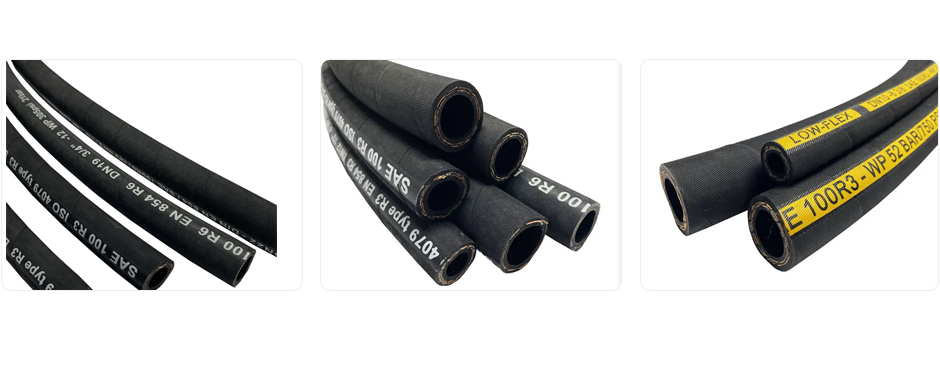
OEM high-pressure hydraulic rubber hoses represent a critical component in fluid power systems across diverse industries including construction, agriculture, manufacturing, oil & gas, and aerospace. These hoses are engineered to safely and reliably transmit hydraulic fluid under extreme pressure, facilitating the operation of heavy machinery and critical processes. Their position within the supply chain typically involves a tiered structure; rubber compound suppliers provide the base polymers, reinforcement material manufacturers produce steel wire or textile braids, and hose manufacturers like the OEM focus on assembly, testing, and customization. Core performance characteristics include burst pressure, working pressure, temperature resistance, fluid compatibility, and dimensional accuracy. A significant challenge facing end-users is ensuring hose integrity to prevent catastrophic failures, leaks, and downtime, driving demand for rigorously tested and certified OEM products. Selecting the appropriate hose necessitates a thorough understanding of the hydraulic system's operational parameters and environmental conditions.
Material Science & Manufacturing
The construction of a high-pressure hydraulic hose involves multiple layers of carefully selected materials. The inner tube, which comes into direct contact with the hydraulic fluid, is typically composed of synthetic rubbers such as nitrile (NBR), ethylene propylene diene monomer (EPDM), or fluorocarbon (FKM, Viton®). NBR exhibits excellent resistance to petroleum-based hydraulic fluids, while EPDM provides superior heat and weather resistance. FKM is utilized in applications requiring resistance to aggressive chemicals and high temperatures. Reinforcement layers are critical for withstanding high pressures. These commonly consist of multiple braids of high-tensile steel wire, or in some cases, spirally wound steel wire. Textile reinforcement, utilizing polyester or aramid fibers, is utilized in lower-pressure applications. The outer cover provides abrasion, ozone, and weather resistance, and is generally composed of Chloroprene rubber (CR) or polyurethane (PU). The manufacturing process begins with extrusion of the inner tube. Reinforcement layers are then applied via braiding or winding machinery. The outer cover is subsequently extruded, and the hose is cured using a vulcanization process, typically involving steam or hot air at elevated temperatures (150-200°C) and pressures. Parameter control during vulcanization – temperature, time, and pressure – is paramount to ensure complete crosslinking of the rubber polymers, maximizing strength and durability. Quality control involves dimensional checks, pressure testing (burst and working pressure), impulse testing (cyclic pressure), and fluid compatibility assessments.
Performance & Engineering
High-pressure hydraulic hoses are subject to significant stresses during operation. Force analysis involves considering the internal pressure, which exerts a hoop stress on the hose wall. The reinforcement layers must resist this hoop stress to prevent expansion and failure. Fatigue analysis is crucial, especially in applications involving cyclical pressure. Repeated pressure cycles can lead to fatigue cracking in the reinforcement layers or the rubber matrix. Environmental factors such as temperature fluctuations, UV exposure, and exposure to corrosive fluids can also degrade hose performance. Compliance requirements vary by region and industry. For example, SAE J517 specifies performance requirements for hydraulic hoses in North America, while EN 856 defines standards in Europe. Proper hose routing is essential to prevent kinking, abrasion, and excessive bending. Minimum bend radii must be adhered to, as exceeding them can damage the reinforcement layers and reduce hose life. The selection of hose fittings is also critical. Fittings must be compatible with the hose material and pressure rating, and properly crimped to ensure a leak-proof seal. Finite Element Analysis (FEA) is commonly used during the design phase to optimize hose geometry and reinforcement configuration for specific application requirements.
Technical Specifications
| Parameter | Unit | Typical Value (NBR/Steel Wire Braid) | Typical Value (EPDM/Spiral Steel Wire) |
|---|---|---|---|
| Working Pressure | MPa | 20 | 40 |
| Burst Pressure | MPa | 80 | 160 |
| Temperature Range | °C | -40 to +100 | -40 to +135 |
| Inner Tube Material | - | Nitrile Rubber (NBR) | Ethylene Propylene Diene Monomer (EPDM) |
| Reinforcement | - | Two Steel Wire Braids | Spiral Steel Wire |
| Outer Cover Material | - | Chloroprene Rubber (CR) | Polyurethane (PU) |
Failure Mode & Maintenance
Failure modes in high-pressure hydraulic hoses are diverse and often interconnected. Common failure mechanisms include: Fatigue Cracking: Initiated by repeated pressure cycles, particularly in the reinforcement layers. Can be exacerbated by excessive bending or vibration. Hose Twisting: Distorts the hose geometry, placing undue stress on the reinforcement and leading to premature failure. Abrasion: Damage to the outer cover caused by rubbing against abrasive surfaces. Pinholes: Small leaks caused by localized damage to the inner tube or cover. Blowout: A catastrophic failure resulting from exceeding the working pressure. Delamination: Separation of the hose layers due to poor adhesion or degradation of the bonding agents. Oxidation/Degradation: Breakdown of the rubber material due to exposure to oxygen, ozone, or UV radiation. Maintenance involves regular visual inspections for signs of damage (cracks, abrasions, bulges). Periodic pressure testing can detect leaks and weaknesses. Proper hose routing and support are crucial to prevent abrasion and twisting. When replacing a hose, it’s vital to use compatible fittings and ensure proper crimping. Contamination of the hydraulic fluid can accelerate hose degradation, so maintaining fluid cleanliness is essential. Record keeping of hose replacement dates and operating conditions can aid in identifying recurring failure patterns.
Industry FAQ
Q: What is the impact of hydraulic fluid type on hose selection?
A: Hydraulic fluid compatibility is paramount. Different fluids contain varying levels of additives and have different chemical compositions. Using an incompatible fluid can cause the inner tube to swell, soften, or degrade, leading to leaks and premature failure. NBR is generally suitable for petroleum-based fluids, while EPDM is preferred for phosphate ester fluids. FKM offers broad chemical resistance but is more expensive.
Q: How does temperature affect hose performance and lifespan?
A: Temperature extremes significantly impact hose performance. High temperatures accelerate rubber degradation and reduce the hose's burst pressure. Low temperatures can cause the rubber to become brittle and prone to cracking. Exceeding the specified temperature range will drastically reduce service life.
Q: What are the key considerations for selecting hose fittings?
A: Fittings must be correctly sized, rated for the hose's working pressure, and compatible with the hose material. The crimping process is critical; insufficient crimping can lead to leaks, while excessive crimping can damage the hose. Using certified fittings and employing proper crimping procedures are essential.
Q: What is the significance of impulse testing?
A: Impulse testing simulates the effects of pressure pulsations in the hydraulic system. These pulsations can create fatigue stresses in the hose, leading to premature failure. Hoses are subjected to repeated pressure spikes to determine their resistance to impulse pressures.
Q: What are best practices for storing hydraulic hoses?
A: Hoses should be stored in a cool, dry, and dark environment, away from direct sunlight, ozone sources, and extreme temperatures. They should be coiled loosely and protected from physical damage. Avoid storing hoses with sharp bends or kinks.
Conclusion
OEM high-pressure hydraulic rubber hoses are complex engineered products demanding careful material selection, precise manufacturing processes, and diligent maintenance. Ensuring reliable performance requires a comprehensive understanding of fluid compatibility, temperature limitations, pressure ratings, and potential failure modes. The selection process should not solely focus on initial cost but also consider the total cost of ownership, including potential downtime and safety risks associated with hose failure.
Future trends in hydraulic hose technology include the development of more durable and lightweight materials, intelligent hose monitoring systems (incorporating sensors to detect leaks and degradation), and improved manufacturing techniques for enhanced quality control. Adherence to international standards and best practices will continue to be critical for ensuring the safety and reliability of hydraulic systems across all industries.