
Apr . 01, 2024 17:55 Back to list
oem high pressure hydraulic hose suppliers Performance Analysis
Introduction
OEM high pressure hydraulic hose suppliers provide critical components for fluid power systems across diverse industries, including construction, agriculture, oil & gas, and manufacturing. These hoses are engineered to safely and reliably transmit hydraulic fluid under extreme pressures and varying environmental conditions. Their technical positioning within the supply chain necessitates a deep understanding of material science, manufacturing processes, and adherence to stringent safety standards. Core performance characteristics include burst pressure, working pressure, impulse rating, temperature range, and fluid compatibility. A significant industry pain point lies in maintaining consistent quality and traceability, particularly in the face of global sourcing and fluctuating raw material costs. Another crucial challenge is adapting hose designs to accommodate new hydraulic fluids with evolving chemical compositions and performance requirements.
Material Science & Manufacturing
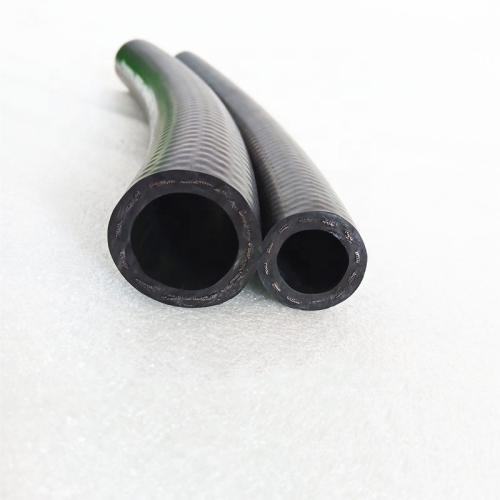
High pressure hydraulic hoses are typically constructed from multiple layers, each contributing to specific performance characteristics. The inner tube, which comes into direct contact with the hydraulic fluid, is commonly made from nitrile rubber (NBR), ethylene propylene diene monomer (EPDM) rubber, or fluoropolymers like PTFE or FKM, selected based on fluid compatibility and temperature requirements. NBR offers good abrasion resistance and oil compatibility, while EPDM excels in resistance to weathering and ozone. Fluoropolymers provide exceptional chemical resistance but are significantly more expensive. The reinforcement layer is crucial for pressure containment and comprises one or more braids or spirals of high-tensile steel wire. The number of layers and wire gauge directly correlate to the hose’s working and burst pressure. A protective outer cover, typically made from synthetic rubber like polyurethane or neoprene, shields the reinforcement from abrasion, weathering, and chemical exposure.
Manufacturing processes involve several critical steps. The inner tube is extruded using a continuous process, carefully controlling temperature and pressure to achieve the desired wall thickness and uniformity. The reinforcement is then applied through a braiding or spiraling machine, ensuring consistent coverage and pitch. Vulcanization, a chemical process involving heat and pressure, crosslinks the rubber polymers, enhancing strength, elasticity, and resistance to degradation. Quality control checks at each stage are essential, including dimensional measurements, pressure testing, and material analysis. Parameter control is paramount – consistent curing times, accurate wire tension, and precise extrusion parameters are vital to ensure hose integrity. Specialized techniques such as pre-forming of reinforcement layers minimize distortion during pressurization.
Performance & Engineering
The performance of a high pressure hydraulic hose is governed by several engineering principles. Force analysis involves calculating the hoop stress within the hose wall under internal pressure. This stress is proportional to the pressure and the hose’s inner diameter and inversely proportional to its wall thickness. The reinforcement layer must withstand this stress without yielding or rupturing. Impulse resistance, the ability to withstand pressure pulsations, is critical in applications like hydraulic hammers and pumps. This is achieved through careful selection of reinforcement materials and hose construction techniques that dampen pressure spikes. Environmental resistance is another key consideration. Exposure to extreme temperatures, UV radiation, and corrosive fluids can degrade the hose materials, reducing their strength and flexibility.
Compliance requirements vary by region and industry. In Europe, hoses must comply with EN 853, which specifies performance requirements and testing procedures. In the United States, SAE J517 covers hydraulic hose specifications. These standards define minimum burst pressure, working pressure, impulse cycle life, and other critical parameters. Functional implementation often involves custom hose assemblies with specific fittings and lengths to meet the unique requirements of the application. The selection of appropriate fittings is crucial to ensure a leak-free connection and prevent premature hose failure. Stress relief techniques, such as using wide-radius bends, minimize localized stress concentrations and extend hose life.
Technical Specifications
| Parameter | Unit | Typical Value (NBR/Steel Wire/Polyurethane) | Typical Value (PTFE/Stainless Steel/Neoprene) |
|---|---|---|---|
| Working Pressure | MPa | 20-35 | 70-100 |
| Burst Pressure | MPa | 60-105 | 210-300 |
| Temperature Range | °C | -40 to +100 | -60 to +260 |
| Impulse Cycles | Cycles | 200,000 | 500,000 |
| Inner Tube Material | - | Nitrile Rubber (NBR) | Polytetrafluoroethylene (PTFE) |
| Reinforcement Material | - | High-Tensile Steel Wire | Stainless Steel Wire |
| Outer Cover Material | - | Polyurethane | Neoprene |
Failure Mode & Maintenance
Common failure modes in high pressure hydraulic hoses include burst failures due to exceeding the working pressure, fatigue cracking caused by repeated pressure cycling, abrasion of the outer cover leading to reinforcement exposure, and degradation of the inner tube due to fluid incompatibility or temperature extremes. Fatigue cracking typically initiates at stress concentration points, such as near fittings or damaged areas. Delamination, the separation of layers, can occur due to poor bonding or exposure to harsh chemicals. Oxidation can cause the rubber materials to become brittle and lose their elasticity.
Preventive maintenance is crucial to extend hose life and prevent catastrophic failures. Regular visual inspections should be conducted to identify any signs of damage, such as cracks, abrasions, or swelling. Hose assemblies should be routed correctly to avoid kinking, twisting, and contact with sharp objects. The hydraulic fluid should be maintained in good condition, free from contaminants and moisture. When replacing hoses, it’s essential to use the correct specifications and fittings. Proper torqueing of fittings is critical to ensure a secure and leak-free connection. Periodic pressure testing can help identify hoses that are nearing the end of their service life. A documented maintenance schedule should be implemented, outlining inspection and replacement intervals based on the application and operating conditions. Furthermore, proper storage of hoses – protected from sunlight, ozone, and extreme temperatures – is vital to preserving their material properties.
Industry FAQ
Q: What is the impact of hydraulic fluid type on hose selection?
A: Hydraulic fluid compatibility is paramount. Different fluids (mineral oil, synthetic, water glycol, phosphate ester) require different inner tube materials. Using an incompatible fluid can cause swelling, softening, or degradation of the inner tube, leading to premature failure. Fluoropolymers are generally compatible with most fluids but are expensive. Careful review of the fluid manufacturer’s recommendations and hose supplier’s compatibility charts is essential.
Q: How does hose layline marking contribute to traceability?
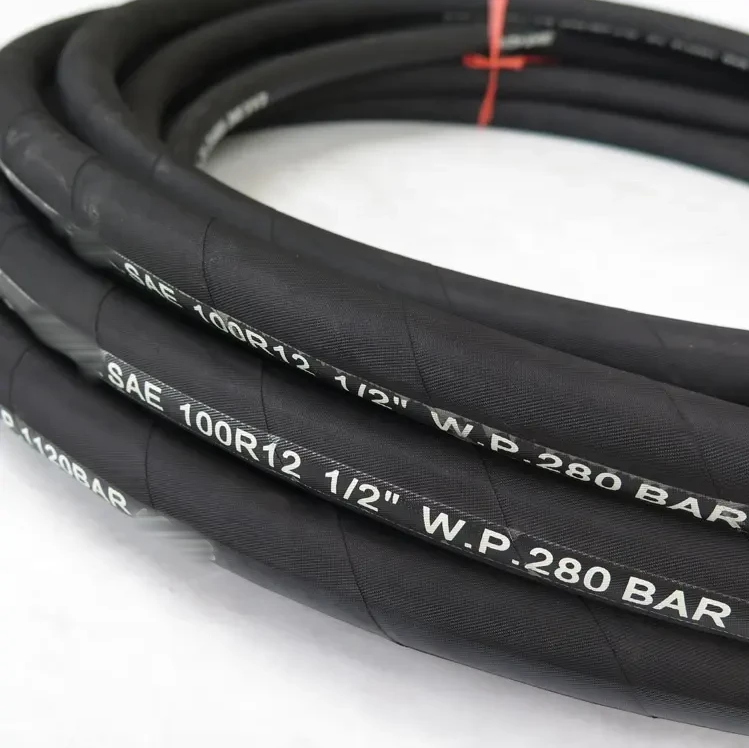
A: Hose layline markings provide critical traceability information, including manufacturer identification, hose type, working pressure, manufacturing date, and often, a batch code. This information is invaluable for identifying the source of any failures and tracking hose performance over time. It also aids in verifying compliance with relevant standards.
Q: What are the considerations for selecting hose fittings?
A: Fittings must be compatible with the hose type, fluid being conveyed, and operating pressure. Incorrectly sized or incompatible fittings can lead to leaks, hose blowouts, and safety hazards. Consideration should be given to the fitting material (steel, stainless steel, brass) based on the application environment. Proper crimping or swaging of the fittings is essential for a secure and reliable connection.
Q: How do temperature fluctuations affect hose performance?
A: Extreme temperatures can significantly impact hose performance. High temperatures can cause rubber materials to soften and lose strength, while low temperatures can cause them to become brittle and crack. The hose’s temperature range must be compatible with the operating environment. Exposure to rapid temperature cycles can also induce thermal stress and accelerate fatigue.
Q: What are the best practices for hose storage?
A: Hoses should be stored in a cool, dry, and well-ventilated area, protected from direct sunlight, ozone, and extreme temperatures. They should be coiled loosely to avoid kinking or twisting. Avoid storing hoses near sources of heat or chemicals. Regularly inspect stored hoses for any signs of degradation.
Conclusion
OEM high pressure hydraulic hose suppliers play a vital role in ensuring the reliability and safety of fluid power systems. Selecting the appropriate hose requires a comprehensive understanding of material science, manufacturing processes, performance characteristics, and industry standards. The careful consideration of factors like fluid compatibility, temperature range, pressure requirements, and environmental conditions is paramount to prevent premature failure and maintain system integrity.
Future trends in hydraulic hose technology include the development of lighter-weight materials, improved impulse resistance, and enhanced chemical compatibility. The integration of smart sensors and data analytics will enable predictive maintenance and optimize hose replacement schedules. Continued adherence to stringent quality control measures and proactive engagement with evolving industry standards will be essential for suppliers to meet the increasing demands of the hydraulic systems market.