
Apr . 01, 2024 17:55 Back to list
oem high pressure hydraulic hose supplier Performance Analysis
Introduction
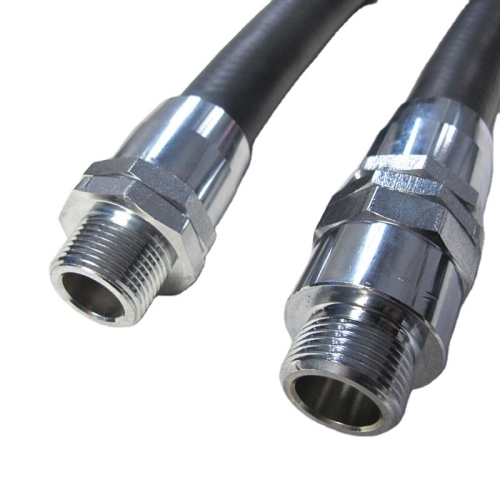
High-pressure hydraulic hoses are critical components in fluid power systems, transmitting hydraulic fluid to actuate machinery across diverse industries including construction, agriculture, manufacturing, and aerospace. As an OEM high-pressure hydraulic hose supplier, our role extends beyond simple component provision; we are integral to the reliability, safety, and efficiency of the end-user’s equipment. These hoses are engineered to withstand extreme pressures, temperatures, and challenging operational environments. A key differentiator in the market lies in customization capabilities to meet specific OEM requirements, encompassing hose assembly, testing protocols, and material selection. This guide delves into the material science, manufacturing processes, performance characteristics, potential failure modes, and maintenance procedures associated with high-pressure hydraulic hoses, providing a comprehensive understanding for engineers and procurement professionals.
Material Science & Manufacturing
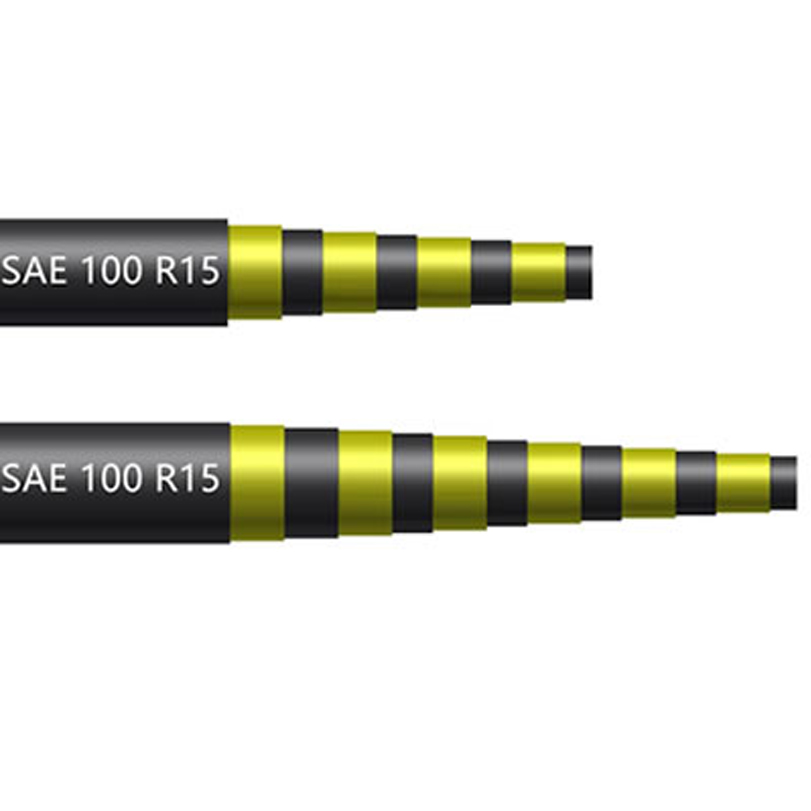
High-pressure hydraulic hoses are typically constructed from multiple layers, each serving a specific function. The inner tube, responsible for containing the hydraulic fluid, is commonly made from synthetic rubbers such as Nitrile Rubber (NBR), also known as Buna-N, renowned for its resistance to petroleum-based fluids. For higher temperature applications and compatibility with phosphate ester fluids, Ethylene Propylene Diene Monomer (EPDM) rubber is utilized. The reinforcement layer dictates the hose's pressure capacity and flexibility. This layer traditionally employs multiple high-tensile steel wire braids, though spiral-wound steel wire reinforcement is increasingly common for higher pressures and reduced weight. The outer cover provides abrasion, weather, and chemical resistance, often utilizing Chloroprene (Neoprene) or Polyurethane. Manufacturing begins with extrusion of the inner tube, followed by the application of reinforcement layers via winding or braiding machines. Precise control of tension during reinforcement application is critical to ensure consistent pressure ratings. The outer cover is then extruded, and the hose is cured using vulcanization – a chemical process that cross-links the rubber polymers, imparting elasticity and durability. Critical parameters during vulcanization include temperature, pressure, and time, influencing the final mechanical properties of the hose. Quality control at each stage is paramount, including dimensional checks, pressure testing, and material analysis.
Performance & Engineering
The performance of a high-pressure hydraulic hose is dictated by its ability to withstand internal pressure, external damage, and environmental factors. Burst pressure, working pressure, and impulse pressure are key performance metrics. Burst pressure represents the maximum pressure the hose can withstand before failure, while working pressure is a fraction of burst pressure, typically defined as 50-70% depending on application and safety factors. Impulse pressure refers to the hose's ability to withstand pressure spikes and pulsations. Force analysis is crucial during hose assembly; incorrect crimping can lead to premature failure. Finite Element Analysis (FEA) is frequently employed to optimize hose designs and predict stress distribution under load. Environmental resistance is a significant concern. Prolonged exposure to UV radiation, ozone, and extreme temperatures can degrade the rubber materials, reducing flexibility and increasing the risk of cracking. Hydraulic fluid compatibility is also critical; incompatible fluids can cause swelling, softening, or chemical attack of the inner tube. Compliance requirements vary by industry and region. For example, SAE J517 specifies performance and testing standards for hydraulic hoses in North America, while EN 856 defines similar standards in Europe. Understanding these standards is essential for ensuring product safety and regulatory compliance.
Technical Specifications
| Parameter | Unit | Specification (Typical) | Test Standard |
|---|---|---|---|
| Working Pressure | MPa | 20 - 35 | SAE J517 / EN 856 |
| Burst Pressure | MPa | 60 - 105 | SAE J517 / EN 856 |
| Temperature Range | °C | -40 to +100 | SAE J517 / EN 856 |
| Reinforcement Type | - | Two Wire Braid / Spiral Wire | OEM Specification |
| Inner Tube Material | - | NBR / EPDM | OEM Specification |
| Outer Cover Material | - | Neoprene / Polyurethane | OEM Specification |
Failure Mode & Maintenance
High-pressure hydraulic hoses are susceptible to several failure modes. Fatigue cracking, often initiated at the crimp point, occurs due to repeated flexing and pressure cycling. Pinholes in the inner tube can develop due to abrasion from fluid contaminants or chemical degradation. External damage, such as cuts or abrasions, can compromise the reinforcement layer, leading to sudden catastrophic failure. Twisting and kinking can restrict fluid flow and induce stress concentrations. Oxidation of the rubber materials, accelerated by exposure to heat and ozone, causes hardening and cracking. Regular inspection is crucial for preventing failures. Visual checks should identify any signs of damage, such as cracks, blisters, or abrasions. Leak testing should be performed periodically to detect pinholes or leaks at connections. Proper hose routing and support are essential to minimize stress and prevent kinking. When replacing a hose, ensure the new hose meets or exceeds the original specifications. Incorrect installation, such as over-tightening or under-tightening crimp connections, can significantly reduce hose life. Maintain a clean hydraulic system to minimize contamination and extend hose service life. Implement a scheduled preventative maintenance program to ensure regular inspection and replacement of hoses based on operational hours or calendar intervals.
Industry FAQ
Q: What is the significance of impulse pressure rating in hydraulic hose selection?
A: Impulse pressure rating indicates the hose's ability to withstand pressure pulsations, which are common in hydraulic systems driven by pumps. A higher impulse pressure rating is crucial in applications where pulsations are significant, such as those involving positive displacement pumps, as it prevents premature failure due to fatigue.
Q: How does the choice of inner tube material affect hose performance?
A: The inner tube material must be compatible with the hydraulic fluid being used. NBR is suitable for petroleum-based fluids, while EPDM is preferred for phosphate ester fluids. Incorrect material selection can lead to swelling, softening, or chemical attack, compromising the hose’s integrity.
Q: What are the best practices for preventing hose twisting and kinking?
A: Proper hose routing and support are critical. Avoid sharp bends and ensure the hose has sufficient slack to accommodate movement. Use hose guards and support clamps to prevent abrasion and kinking, especially in areas prone to contact with other components.
Q: What role does the crimp quality play in hose assembly reliability?
A: The crimp connects the hose to the fittings and is a critical point of failure if not properly executed. The crimp must create a secure seal without damaging the reinforcement layers. Proper crimping requires specialized equipment, skilled technicians, and adherence to OEM specifications.
Q: How do international standards like SAE J517 and EN 856 influence hose selection?
A: These standards define performance requirements, testing procedures, and marking requirements for hydraulic hoses. Adherence to these standards ensures product safety, reliability, and interchangeability. OEMs often specify hoses that meet these standards to ensure compliance and quality.
Conclusion
High-pressure hydraulic hoses are engineered systems with complex interactions between material science, manufacturing processes, and operating conditions. Selecting the appropriate hose requires careful consideration of pressure requirements, fluid compatibility, temperature range, and environmental factors. Understanding potential failure modes and implementing a robust preventative maintenance program are crucial for maximizing hose service life and ensuring the safe and reliable operation of hydraulic systems.
As an OEM supplier, providing comprehensive technical support, customization options, and adherence to industry standards is paramount. Future trends in hydraulic hose technology include the development of lighter-weight materials, improved abrasion resistance, and smart hoses with integrated sensors for monitoring performance and predicting failures. Continued innovation in these areas will drive improvements in efficiency, safety, and sustainability within the hydraulic power industry.