
Apr . 01, 2024 17:55 Back to list
oem high pressure hydraulic hose manufacturers Performance Analysis
Introduction
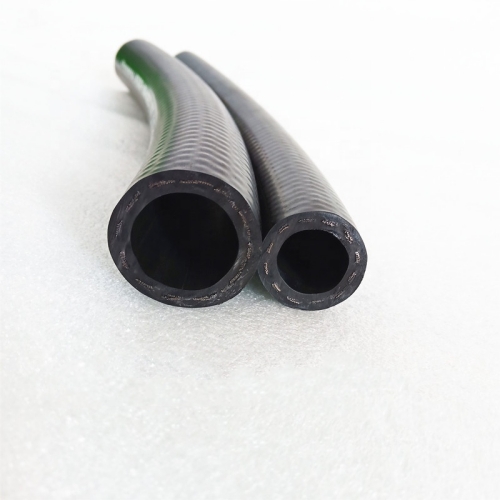
OEM high pressure hydraulic hoses are critical components in fluid power systems, designed to transmit hydraulic fluid to actuators and other components. Their technical position within the industry chain lies between raw material suppliers (rubber, steel, polymers) and end-user applications spanning construction equipment, agricultural machinery, industrial manufacturing, oil & gas, and aerospace. Core performance characteristics center around burst pressure, working pressure, temperature resistance, and fluid compatibility. These hoses are not merely conduits; they are engineered safety-critical elements that demand stringent quality control and adherence to industry standards. The increasing demand for higher operating pressures and more aggressive fluid types—including biodegradable fluids—presents a continuous engineering challenge for manufacturers, driving innovation in materials and construction techniques. Failure of a high-pressure hydraulic hose can result in catastrophic equipment failure, posing significant safety risks and incurring substantial economic losses. Therefore, the selection and specification of these hoses require a detailed understanding of their material properties, manufacturing processes, and application-specific requirements.
Material Science & Manufacturing
High-pressure hydraulic hoses are typically constructed from multiple layers, each serving a specific function. The inner tube, in contact with the hydraulic fluid, is commonly made from nitrile rubber (NBR), chlorinated polyethylene (CPE), or fluoropolymers (FKM/PTFE) chosen for their chemical compatibility and permeation resistance. NBR provides good general-purpose resistance, while CPE excels in ozone and weathering resistance. Fluoropolymers offer superior resistance to aggressive fluids and high temperatures but are considerably more expensive. The reinforcement layer is crucial for withstanding pressure. It usually consists of multiple braids or spirals of high-tensile steel wire. The number of layers and wire diameter directly correlate to the hose’s burst pressure rating. Between the reinforcement and the outer cover, a rubber skive layer bonds the reinforcement to the cover, providing structural integrity. The outer cover is typically made of synthetic rubber (SBR) or polyurethane, offering abrasion, weather, and ozone resistance. Manufacturing processes include extrusion for the inner tube and cover, calendaring for skive layers, and precise winding of steel wire reinforcement. Critical parameter control includes maintaining consistent rubber compound formulations, ensuring accurate wire tension during braiding, and monitoring curing temperatures and times to achieve optimal vulcanization. Proper vulcanization is essential for developing the required tensile strength and elasticity. Quality control involves destructive burst testing, impulse testing, and dimensional inspections at various stages of production.
Performance & Engineering
The performance of a hydraulic hose is fundamentally governed by stress-strain relationships within its constituent materials. Force analysis focuses on hoop stress within the inner tube, tensile stress in the reinforcement, and shear stress at interfaces between layers. Burst pressure is calculated based on the tensile strength of the reinforcement and the geometry of the hose. Working pressure is typically defined as 50-75% of the burst pressure, providing a safety factor. Environmental resistance is critical, particularly exposure to extreme temperatures, UV radiation, and corrosive fluids. Temperature affects rubber elasticity and steel strength; exceeding temperature limits can lead to premature failure. Fluid compatibility determines the rate of permeation and swelling, potentially compromising the hose's dimensions and performance. Compliance requirements vary by region and application. SAE J517, EN 853, and DIN EN 857 are common standards governing hose dimensions, pressure ratings, and performance characteristics. Engineering considerations include hose bend radius to avoid kinking and excessive stress concentration, hose twist to prevent damage to the reinforcement, and proper fitting selection to ensure a secure and leak-free connection. Fatigue analysis is essential for applications involving cyclical pressure fluctuations. The number of pressure cycles a hose can withstand before failure is a key performance indicator.
Technical Specifications
| Parameter | Unit | Specification Range (Typical) | Test Standard |
|---|---|---|---|
| Working Pressure | MPa | 10 - 420 | SAE J517 |
| Burst Pressure | MPa | 30 - 1260 | SAE J517 |
| Temperature Range | °C | -40 to +100 (NBR), -30 to +150 (CPE), -20 to +200 (FKM) | DIN EN 857 |
| Inner Tube Material | - | NBR, CPE, FKM/PTFE | ASTM D2000 |
| Reinforcement Material | - | High-Tensile Steel Wire (1SP, 2SP, 4SP, 6SP) | SAE J517 |
| Outer Cover Material | - | SBR, Polyurethane | ASTM D2000 |
Failure Mode & Maintenance
Common failure modes in high-pressure hydraulic hoses include burst failure due to exceeding pressure limits, fatigue cracking from cyclical loading, pinhole leaks from abrasion or corrosion, and end fitting failure due to improper crimping or corrosion. Fatigue cracking often initiates at stress concentration points, such as near fittings or at kinked sections. Delamination between layers can occur due to inadequate bonding or exposure to aggressive fluids. Oxidation of rubber compounds leads to hardening and cracking, reducing the hose's flexibility and strength. Internal degradation of the inner tube can result from fluid incompatibility or contamination. Failure analysis involves visual inspection, microscopic examination of fracture surfaces, and chemical analysis of materials. Maintenance procedures include regular visual inspections for signs of wear, abrasion, or leaks; checking fitting connections for tightness; and periodically replacing hoses based on service life or manufacturer recommendations. Proper hose routing to avoid sharp bends, abrasion, and extreme temperatures is crucial. Hydraulic fluid should be regularly filtered to remove contaminants that can accelerate hose degradation. Crimping procedures must be strictly controlled to ensure a secure and reliable connection between the hose and fittings. Replacing hoses in sets is often recommended to avoid imbalances in system pressure and wear.
Industry FAQ
Q: What is the impact of hydraulic fluid type on hose selection?
A: Hydraulic fluid compatibility is paramount. Using an incompatible fluid can cause the inner tube to swell, soften, or degrade, leading to leaks and premature failure. For example, phosphate ester fluids require specialized hoses with PTFE inner tubes. Always consult the hose manufacturer's fluid compatibility chart before selecting a hose.
Q: How does steel wire reinforcement affect burst pressure?
A: The number of reinforcement layers (e.g., 1SP, 2SP, 4SP, 6SP) and the diameter of the steel wire directly correlate to the burst pressure. More layers and larger diameter wire provide greater tensile strength and therefore higher pressure capacity. However, increased reinforcement also reduces the hose's flexibility.
Q: What is the significance of impulse testing?
A: Impulse testing simulates the cyclical pressure fluctuations that occur in many hydraulic systems. It assesses the hose’s ability to withstand repeated pressure surges without failure. A hose that passes impulse testing is more durable and reliable in dynamic applications.
Q: What are the common causes of hose kinking, and how can it be prevented?
A: Kinking occurs when the hose is bent beyond its minimum bend radius, causing internal collapse and restricting fluid flow. It can also damage the reinforcement. Prevention includes using hoses with appropriate bend radii for the application, ensuring proper hose routing, and avoiding tight turns.
Q: How often should hydraulic hoses be replaced as preventative maintenance?
A: Replacement frequency depends on operating conditions, fluid type, and hose construction. As a general guideline, hoses should be inspected annually and replaced every 3-5 years, or sooner if signs of wear, damage, or leaks are observed. Critical applications may require more frequent inspections and replacements.
Conclusion
OEM high pressure hydraulic hoses are sophisticated engineered products demanding careful material selection, precise manufacturing control, and diligent maintenance. Their performance is directly tied to the safety and reliability of the hydraulic systems they serve. Understanding the interplay between material properties, manufacturing processes, and operating conditions is crucial for selecting the appropriate hose for a given application and ensuring long-term performance.
The future of hydraulic hose technology will likely focus on developing lighter-weight materials, enhancing fluid compatibility with emerging biodegradable fluids, and incorporating smart sensing technologies for real-time monitoring of hose condition. Continued adherence to industry standards and rigorous quality control will remain paramount to ensure the safety and reliability of these critical components.