
Apr . 01, 2024 17:55 Back to list
oem high pressure hydraulic hose factories Performance Analysis
Introduction
OEM high pressure hydraulic hose factories are critical components in the global fluid power infrastructure, serving a diverse range of industries including construction, agriculture, manufacturing, oil and gas, and automotive. These hoses are engineered to safely and efficiently transmit hydraulic fluid under extreme pressure, facilitating the operation of heavy machinery and complex systems. Unlike standard hoses, high pressure variants necessitate stringent material selection, precise manufacturing techniques, and rigorous testing to ensure reliability and prevent catastrophic failure. The industry faces increasing demands for higher working pressures, enhanced durability in harsh environments, and compliance with evolving international safety standards. This guide provides an in-depth technical overview of OEM high pressure hydraulic hoses, covering materials, manufacturing processes, performance characteristics, failure modes, and relevant industry regulations. The core pain points for procurement managers include ensuring consistent quality from overseas suppliers, verifying compliance with specific application requirements (e.g., temperature, fluid compatibility), and mitigating the risk of hose failure leading to downtime and safety hazards.
Material Science & Manufacturing
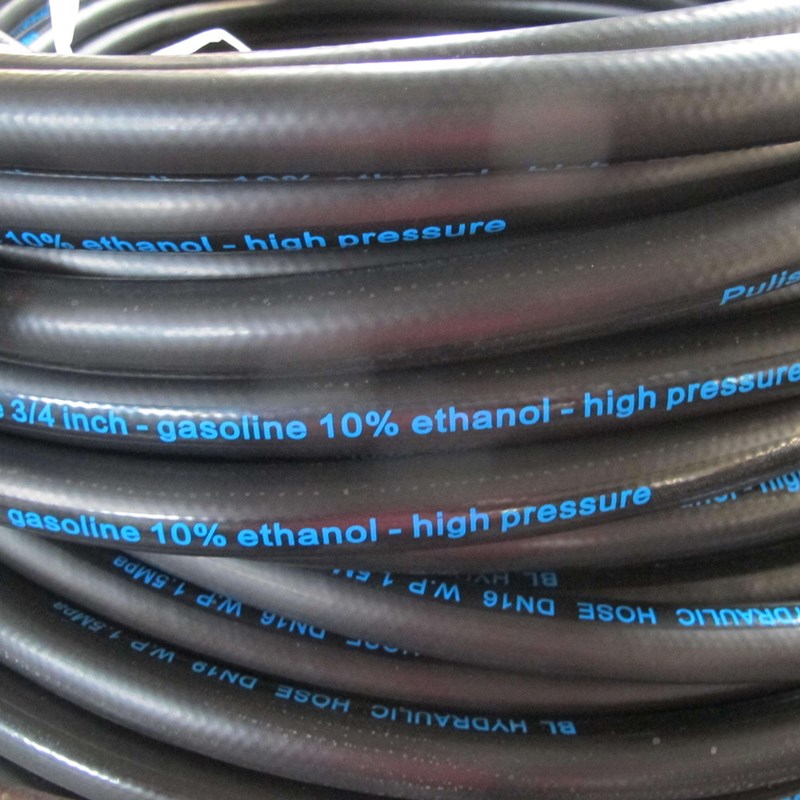
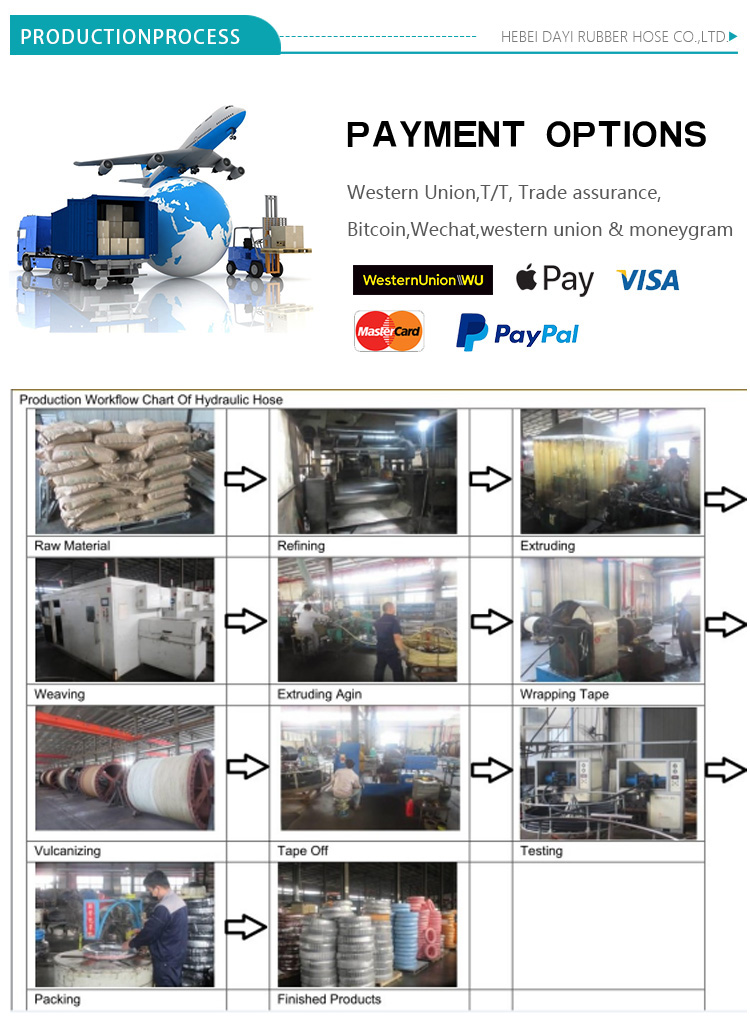
High pressure hydraulic hoses are typically constructed from multiple layers, each contributing to specific performance characteristics. The innermost layer, the tube, is commonly made from nitrile rubber (NBR), chlorinated polyethylene rubber (CM), or fluoropolymers like PTFE, chosen for their compatibility with specific hydraulic fluids and resistance to degradation. NBR is cost-effective for general-purpose applications with petroleum-based fluids, while CM offers improved heat and ozone resistance. PTFE provides superior chemical resistance but is significantly more expensive. Reinforcement layers, critical for withstanding high pressure, utilize high-tensile steel wire (single or multiple braids) or synthetic fiber (aramid or polyester) constructions. Steel wire reinforcement provides the highest pressure capacity, but is heavier and less flexible. Aramid reinforcement offers a good balance of strength and flexibility. The outer cover, providing abrasion and weather resistance, is generally composed of synthetic rubber compounds like polyurethane or neoprene. Manufacturing processes involve extrusion of the inner tube, helical winding or braiding of reinforcement layers, and extrusion of the outer cover, followed by vulcanization. Precise control of temperature, pressure, and curing time during vulcanization is essential to achieve optimal crosslinking of the rubber compounds and ensure long-term durability. Wire braiding tension, ply adhesion between layers, and dimensional accuracy are key parameters monitored throughout the production process. Poor adhesion leads to delamination under pressure, while inconsistent wire tension affects burst pressure and fatigue life.
Performance & Engineering
The performance of a high pressure hydraulic hose is dictated by several key engineering parameters. Burst pressure, expressed in PSI or MPa, represents the maximum pressure the hose can withstand before rupture. Working pressure is significantly lower, typically 50-75% of the burst pressure, providing a safety factor. Hose flexibility (bend radius) is critical for installation in confined spaces. Fatigue life, the number of pressure cycles the hose can endure before failure, is a major consideration for dynamic applications. Environmental resistance encompasses resistance to temperature extremes, ozone degradation, UV exposure, and fluid compatibility. Force analysis is crucial in designing hose assemblies, considering internal pressure forces, external bending forces, and axial loads. Finite element analysis (FEA) is often employed to model stress distribution and optimize hose construction. Compliance requirements vary by region and application. For example, SAE J517 (US) and EN 856 (Europe) specify performance standards for hydraulic hoses, including pressure ratings, dimensional tolerances, and testing procedures. In the oil and gas industry, hoses must meet API Q1 standards for critical safety components. Proper hose assembly, including correct fitting selection and crimping, is paramount to ensure leak-free operation and prevent premature failure. Incorrect crimping can lead to fitting slippage or hose rupture.
Technical Specifications
| Parameter | Unit | Typical Value (NBR/Steel Wire) | Typical Value (PTFE/Aramid) |
|---|---|---|---|
| Working Pressure | PSI | 4,000 - 6,000 | 3,000 - 5,000 |
| Burst Pressure | PSI | 16,000 - 24,000 | 12,000 - 20,000 |
| Temperature Range | °F | -40 to +212 | -65 to +500 |
| Minimum Bend Radius | inches | 6 - 12 | 8 - 16 |
| Fluid Compatibility | - | Petroleum-based fluids | Wide range, including aggressive chemicals |
| Reinforcement Type | - | Single/Double Steel Wire Braid | Aramid Fiber (2/4 Spiral) |
Failure Mode & Maintenance
High pressure hydraulic hose failures typically stem from several primary mechanisms. Fatigue cracking, initiated by repeated pressure cycles, often occurs at stress concentration points, such as near fittings or defects in the reinforcement layers. Abrasion, caused by external contact with rough surfaces, can wear through the outer cover and expose the reinforcement. Fluid incompatibility can lead to swelling, softening, or cracking of the inner tube. High temperatures accelerate degradation of rubber compounds, reducing their elasticity and strength. Improper installation, including over-tightening or incorrect fitting selection, can induce stress and cause premature failure. Internal corrosion, particularly in systems using incompatible fluids, can weaken the hose from within. Preventative maintenance is crucial to extend hose life. Regular visual inspections should identify signs of abrasion, cracking, swelling, or leakage. Pressure testing can detect internal weaknesses. Hoses should be replaced according to manufacturer recommendations or when any signs of damage are observed. Proper storage, away from direct sunlight and extreme temperatures, is also essential. When replacing hoses, always use compatible fittings and ensure correct crimping procedures are followed. Documenting hose replacement schedules and failure analysis can help identify recurring problems and improve system reliability.
Industry FAQ
Q: What is the impact of fluid velocity on hose life?
A: High fluid velocity can significantly reduce hose life through erosion of the inner tube and increased heat generation. Erosion occurs as the fluid particles impact the tube wall, gradually wearing it away. Increased heat reduces the rubber’s elasticity and accelerates degradation. Selecting a hose with an appropriately sized bore and minimizing fluid velocity through proper system design are crucial mitigating strategies.
Q: How do different reinforcement materials affect hose performance?
A: Steel wire reinforcement provides the highest pressure capacity and abrasion resistance, but is less flexible and heavier. Aramid reinforcement offers a good balance of strength, flexibility, and weight, making it suitable for applications requiring dynamic movement. Polyester reinforcement is less expensive but has lower strength and temperature resistance.
Q: What are the key considerations when selecting fittings for high-pressure hoses?
A: Fittings must be compatible with the hose material, pressure rating, and fluid being conveyed. The fitting's crimp geometry must match the hose construction to ensure a secure and leak-free connection. Using incorrect fittings or improper crimping can lead to premature failure. Material compatibility between the fitting and fluid is also crucial to prevent corrosion.
Q: How does temperature affect the performance of hydraulic hoses?
A: Extreme temperatures can significantly degrade the rubber compounds used in hose construction. High temperatures accelerate oxidation and reduce elasticity, while low temperatures can cause rubber to become brittle and crack. Selecting a hose with a temperature rating that exceeds the operating temperature range is essential.
Q: What quality control measures should I look for in an OEM hydraulic hose factory?
A: Robust quality control measures include raw material inspection, in-process monitoring of key manufacturing parameters (e.g., vulcanization time, wire tension), hydrostatic testing of every hose to at least 1.5 times working pressure, and adherence to recognized industry standards (SAE, EN, ISO). A documented quality management system (e.g., ISO 9001) is also a positive indicator.
Conclusion
OEM high pressure hydraulic hoses are sophisticated engineered products essential to the operation of countless industrial applications. Selecting the correct hose for a given application requires careful consideration of fluid compatibility, pressure requirements, temperature range, and environmental factors. Understanding the material science behind hose construction, the nuances of manufacturing processes, and potential failure modes is paramount for ensuring long-term reliability and safety.
The industry is continually evolving, with ongoing research focused on developing new materials and manufacturing techniques to enhance hose performance and durability. Furthermore, strict adherence to international standards and rigorous quality control procedures are non-negotiable for mitigating risk and ensuring consistent product quality. Proper maintenance practices, including regular inspections and timely replacement of damaged hoses, are crucial for maximizing operational efficiency and preventing costly downtime.