
Apr . 01, 2024 17:55 Back to list
oem high pressure car washer hose supplier Performance Engineering
Introduction
OEM high-pressure car wash hoses are critical components in vehicle cleaning systems, designed to withstand substantial fluid pressures and frequent use. These hoses are not simply conduits; they represent a significant engineering consideration in the broader car wash equipment industry, positioned between the high-pressure pump and the spray lance. Performance is dictated by burst pressure, kink resistance, abrasion resistance, and chemical compatibility with various cleaning agents. The global market for car wash equipment, and consequently these hoses, is driven by increasing vehicle ownership, a demand for efficient cleaning solutions, and evolving environmental regulations pertaining to water usage. A key industry pain point centers on hose longevity – premature failure due to material degradation, connector issues, or manufacturing defects results in costly downtime and maintenance. OEM suppliers must provide consistent quality and adhere to stringent performance standards to mitigate these risks.
Material Science & Manufacturing
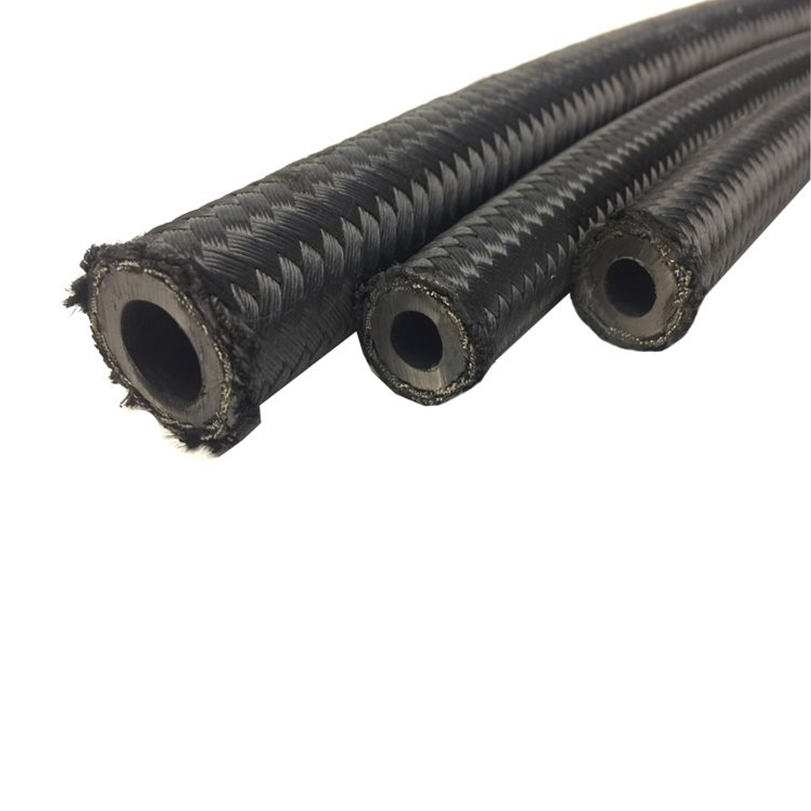
The core material for high-pressure car wash hoses is typically a thermoplastic elastomer (TPE) or a hybrid rubber compound, frequently incorporating Polyurethane (PU) for its superior abrasion resistance and high-pressure capabilities. Polypropylene (PP) reinforcement braiding is commonly used to enhance burst strength and prevent kinking. The specific TPE grade dictates the hose’s flexibility at low temperatures and resistance to cracking. Manufacturing processes begin with raw material compounding, where the base polymer is mixed with stabilizers (UV and thermal), plasticizers to enhance flexibility, and colorants. Extrusion is then employed to form the inner tube, followed by the application of the reinforcing braid. An outer cover, often also a TPE or PU compound, is then extruded over the braid, providing abrasion resistance and chemical protection. Critical parameter control during extrusion includes maintaining consistent wall thickness, braid coverage, and proper curing temperatures to ensure optimal material properties. Post-extrusion processes include hose cutting to length, crimping of end fittings (typically brass or stainless steel), and rigorous pressure testing. Chemical compatibility is paramount; hoses must resist degradation from alkaline detergents, acidic wheel cleaners, and solvents commonly used in car washes. The selection of materials is also dictated by environmental regulations regarding phthalate content and other potentially harmful substances.

Performance & Engineering
High-pressure car wash hoses operate under significant stress, requiring careful engineering design. Force analysis must consider the static and dynamic pressure loads, as well as the stresses induced by bending and kinking. Burst pressure is a critical performance metric, typically ranging from 3000 to 5000 PSI (pounds per square inch) for professional car wash applications. Kink resistance is achieved through the use of reinforcing braid and appropriate hose diameter-to-thickness ratios. Environmental resistance is equally important; the hose must withstand prolonged exposure to UV radiation, temperature fluctuations, and various cleaning chemicals. Compliance requirements vary by region, but generally include adherence to safety standards related to pressure testing and material composition (RoHS, REACH). Functional implementation requires precise fitting integration. The crimping process, securing the hose to the metal fittings, must create a leak-proof seal capable of withstanding high pressure and vibration. Hose length is also a key engineering consideration, balancing reach with pressure drop and ease of handling. Finite element analysis (FEA) is often employed to optimize hose design and predict performance under various loading conditions. Regular inspection for signs of wear, cracking, or leakage is essential for maintaining operational safety.
Technical Specifications
| Parameter | Unit | Typical Value | Testing Standard |
|---|---|---|---|
| Burst Pressure | PSI | 4000 | SAE J517 |
| Working Pressure | PSI | 3000 | SAE J517 |
| Tensile Strength | MPa | 20 | ASTM D412 |
| Elongation at Break | % | 400 | ASTM D412 |
| Hardness (Shore A) | - | 85 | ASTM D2240 |
| Operating Temperature Range | °C | -20 to 80 | Internal Testing |
Failure Mode & Maintenance
Common failure modes for high-pressure car wash hoses include fatigue cracking, particularly at the hose-fitting interface due to cyclical pressure and bending. Delamination of the reinforcing braid can occur due to inadequate adhesion during manufacturing or prolonged exposure to harsh chemicals. Abrasion from contact with vehicle surfaces or abrasive cleaning agents can lead to outer cover wear and eventual failure of the underlying reinforcement. Oxidation and UV degradation can cause the polymer to become brittle and crack over time. Hydrolysis, the chemical breakdown of the polymer due to water absorption, is also a potential failure mechanism. Preventative maintenance involves regular visual inspection for cracks, kinks, or swelling. Hoses should be stored in a cool, dry place away from direct sunlight when not in use. After each use, hoses should be thoroughly rinsed with clean water to remove residual cleaning chemicals. Damaged hoses should be replaced immediately; attempting to repair a damaged high-pressure hose is extremely dangerous. Periodic pressure testing can identify hoses with reduced burst strength. Proper hose handling – avoiding sharp bends and excessive tension – is crucial for maximizing lifespan. Fitting integrity should be checked regularly, ensuring secure crimping and the absence of corrosion.
Industry FAQ
Q: What is the significance of the burst pressure rating, and how is it determined?
A: The burst pressure rating indicates the maximum pressure the hose can withstand before failure. It's critically important for safety and preventing catastrophic equipment damage. It's determined through hydrostatic pressure testing, where the hose is gradually pressurized with water until it bursts, with the bursting point recorded as the burst pressure. This testing is typically conducted according to standards like SAE J517.
Q: How does temperature affect the performance and lifespan of a high-pressure hose?
A: Temperature extremes can significantly impact hose performance. High temperatures can reduce the hose’s tensile strength and accelerate chemical degradation. Low temperatures can decrease flexibility, increasing the risk of cracking. Operating outside the specified temperature range can drastically shorten the hose’s lifespan.
Q: What are the common chemical compatibilities to consider when selecting a hose for a car wash application?
A: Car wash hoses are exposed to a wide range of chemicals, including alkaline detergents, acidic wheel cleaners, solvents, and waxes. The hose material must be resistant to these chemicals to prevent swelling, cracking, or degradation. Polyurethane (PU) generally offers excellent chemical resistance, while certain TPE formulations are specifically designed for compatibility with common car wash chemicals.
Q: What role does the reinforcement braid play in the hose's performance?
A: The reinforcement braid, typically made of polypropylene (PP), provides critical structural support. It dramatically increases the hose’s burst pressure, prevents kinking, and resists elongation under pressure. The braid's coverage percentage and weave pattern influence the hose’s overall performance and flexibility.
Q: What fitting materials are most commonly used, and what factors influence their selection?
A: Brass and stainless steel are the most common fitting materials. Brass offers good corrosion resistance and is cost-effective. Stainless steel provides superior corrosion resistance, particularly in harsh environments. The selection depends on the chemicals used in the car wash, the operating temperature, and the required service life. Proper crimping technique is paramount regardless of the fitting material.
Conclusion
OEM high-pressure car wash hoses are complex engineered products demanding careful consideration of material science, manufacturing processes, and performance characteristics. Maintaining consistent quality and adherence to industry standards is paramount to ensure operational safety and minimize downtime. The selection process must prioritize burst pressure, chemical compatibility, and environmental resistance, aligning with the specific requirements of the car wash application.
Ongoing advancements in polymer technology and manufacturing techniques are driving improvements in hose lifespan and performance. Future trends include the development of more sustainable materials, enhanced abrasion resistance, and integrated sensor technologies for predictive maintenance. Collaboration between hose manufacturers, equipment suppliers, and car wash operators is crucial for optimizing hose design and ensuring long-term reliability.