
Apr . 01, 2024 17:55 Back to list
oem high pressure car washer hose factories Performance Analysis
Introduction
OEM high-pressure car washer hose factories constitute a critical segment of the automotive aftermarket and professional cleaning equipment supply chains. These facilities specialize in the design, manufacture, and supply of flexible hoses capable of withstanding extreme pressures and dynamic stresses inherent in car washing applications. The technical position of these hoses lies between the high-pressure pump and the spray nozzle, requiring materials and construction capable of handling pressures typically ranging from 1500 psi to 5000 psi (103 to 345 bar), depending on the application – consumer grade versus professional grade. Core performance parameters include burst pressure, working pressure, kink resistance, abrasion resistance, and chemical compatibility with detergents and cleaning solutions. The industry faces ongoing challenges related to material cost fluctuations, increasingly stringent environmental regulations regarding phthalate content and volatile organic compounds (VOCs), and the demand for longer service life and reduced failure rates in demanding professional environments. Achieving consistent quality and dimensional accuracy is paramount to prevent pump cavitation and nozzle malfunctions. This guide provides an in-depth technical overview of the materials, manufacturing processes, performance characteristics, failure modes, and industry standards associated with these critical components.
Material Science & Manufacturing
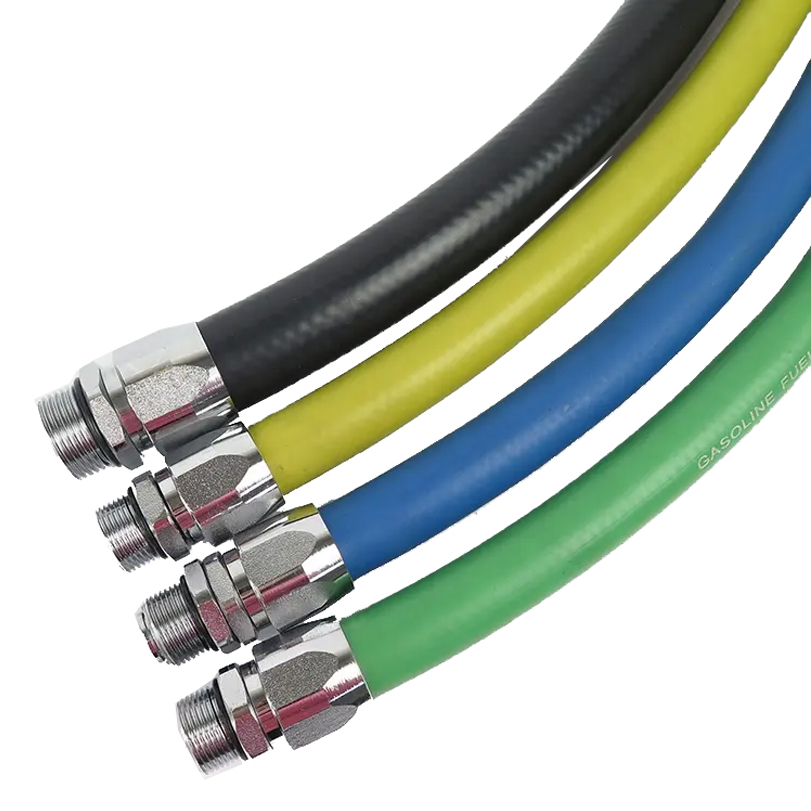
The primary material used in high-pressure car wash hoses is thermoplastic polyurethane (TPU), often reinforced with high-tensile strength textile or steel wire braiding. TPU offers a compelling combination of flexibility, abrasion resistance, and chemical inertness to common cleaning agents. Alternative materials include polyester, polyvinyl chloride (PVC) with plasticizer enhancements, and, less commonly, rubber compounds (EPDM, nitrile). Reinforcement braiding is typically constructed from polyester yarns for lighter-duty applications (consumer grade) or high-tensile steel wire for heavy-duty industrial usage. The steel wire provides significantly increased burst strength and resistance to elongation under pressure. Manufacturing processes begin with the extrusion of the inner core tube using TPU pellets. Precise control of extrusion temperature (typically between 180°C and 220°C) and screw speed is critical to ensure a homogenous and void-free tube. Following extrusion, the reinforcement braiding is applied using automated braiding machines. The braiding angle (typically between 30 and 55 degrees) influences the hose’s flexibility and kink resistance. An outer protective layer, also extruded TPU, is then applied to provide abrasion resistance and UV protection. Critical parameters during extrusion include die temperature, haul-off speed, and cooling rate. Post-production, hoses undergo hydrostatic testing at pressures exceeding their rated working pressure to identify defects. Quality control involves dimensional inspection, burst pressure testing (destructive), and leak testing.
Performance & Engineering
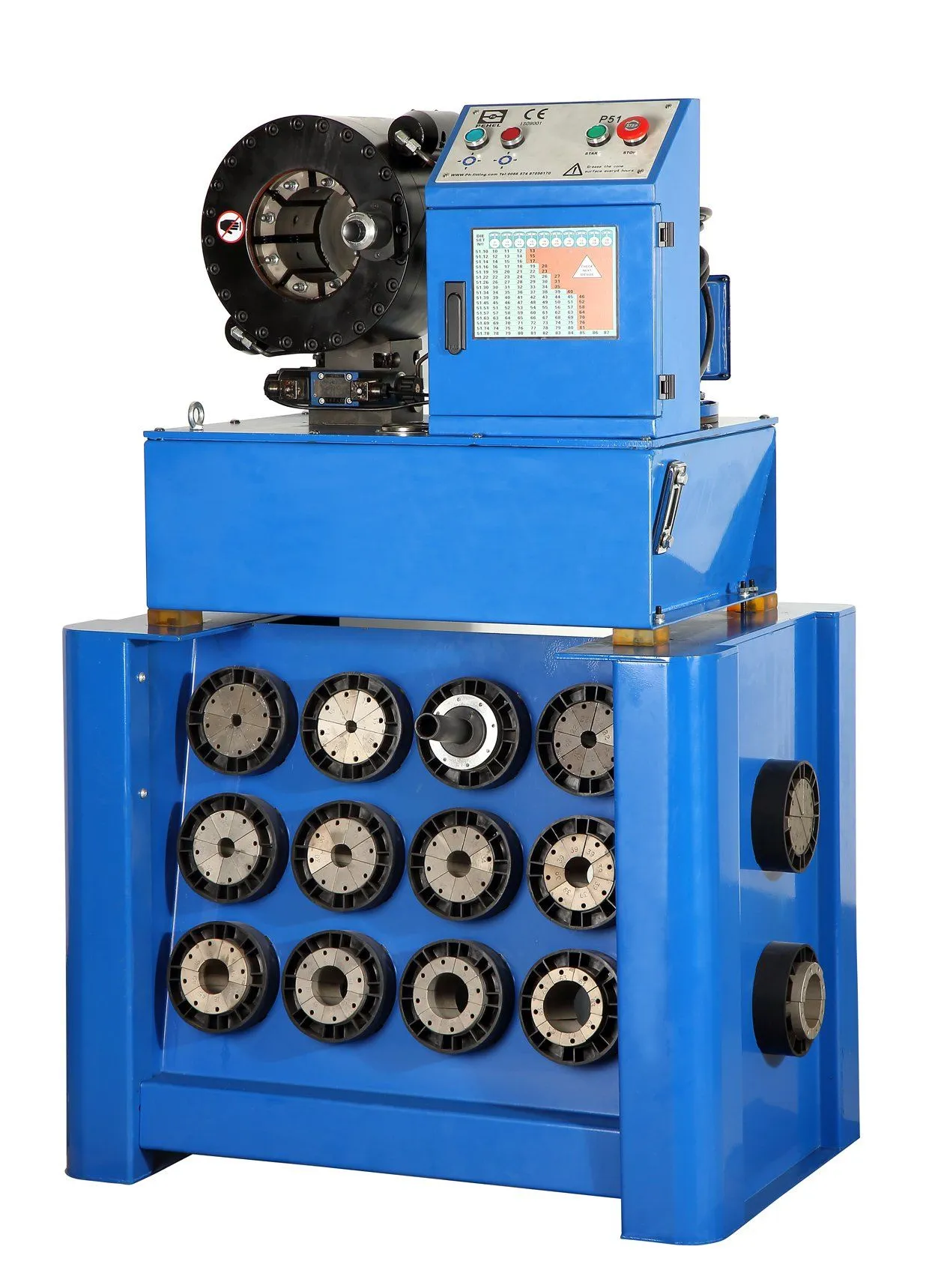
The performance of a high-pressure car wash hose is governed by several engineering principles. Force analysis focuses on hoop stress within the hose wall when subjected to internal pressure. This stress is calculated using the Barlow's formula: σ = (P r) / t, where σ is hoop stress, P is internal pressure, r is inner radius, and t is wall thickness. Increasing wall thickness (t) directly reduces hoop stress and improves burst resistance. Environmental resistance is crucial, especially regarding UV exposure and temperature fluctuations. TPU exhibits good UV resistance, but prolonged exposure can lead to degradation and embrittlement. Temperature variations affect material flexibility; lower temperatures increase stiffness, while higher temperatures can reduce pressure rating. Compliance requirements, such as REACH and RoHS, dictate restrictions on hazardous substances (phthalates, lead, cadmium). Functional implementation requires consideration of hose flexibility to prevent kinking and reduce operator fatigue. The bend radius should be at least 3 times the hose’s outer diameter. Connection fittings (typically brass or stainless steel) must be securely crimped to the hose to ensure a leak-proof seal. Crimping parameters (crimp height, crimp diameter, and crimp force) are critical and must be precisely controlled to prevent fitting failure or hose deformation. Fatigue life is another critical performance parameter, particularly for professional applications involving frequent pressure cycling.
Technical Specifications
| Parameter | Unit | Consumer Grade | Professional Grade |
|---|---|---|---|
| Working Pressure | psi | 1800 | 4000 |
| Burst Pressure | psi | 6000 | 12000 |
| Inner Diameter | inch | 0.25 | 0.375 |
| Outer Diameter | inch | 0.40 | 0.625 |
| Tensile Strength (Reinforcement) | MPa | 700 | 1500 |
| Elongation at Break | % | 300 | 200 |
Failure Mode & Maintenance
Common failure modes for high-pressure car wash hoses include burst failure due to exceeding pressure limits, kink failure caused by sharp bending, abrasion failure from rubbing against surfaces, and degradation from UV exposure or chemical attack. Fatigue cracking can occur in the reinforcement braiding due to repeated pressure cycling. Failure analysis often reveals flaws in the hose material, inadequate crimping of fittings, or improper usage. Delamination between the inner tube and reinforcement is another common issue, particularly in lower-quality hoses. Oxidation of TPU can lead to embrittlement and cracking, especially at elevated temperatures. Maintenance practices should include regular visual inspection for signs of wear, cracks, or bulges. Hoses should be stored in a cool, dry place away from direct sunlight. Avoid exposing hoses to harsh chemicals or extreme temperatures. If a hose shows any signs of damage, it should be immediately replaced. Periodically check the tightness of fittings. Following the manufacturer's recommendations for pressure limits and operating conditions is crucial to extend hose lifespan. Crimped fittings should be inspected for corrosion and proper seating.
Industry FAQ
Q: What is the impact of phthalate content on car wash hose manufacturing?
A: Phthalates, traditionally used as plasticizers in PVC hoses, are facing increasing regulatory scrutiny due to health concerns. Many regions now restrict or prohibit their use. OEMs are transitioning to phthalate-free formulations using alternative plasticizers or shifting to TPU-based hoses, which inherently do not contain phthalates. This transition impacts cost and material performance, requiring careful evaluation of alternative plasticizer systems to maintain flexibility and durability.
Q: How does steel wire reinforcement affect hose flexibility and weight?
A: Steel wire reinforcement significantly increases burst strength and abrasion resistance, but it also reduces flexibility and increases hose weight compared to textile reinforcement. The diameter and construction of the steel wire (e.g., strand count, braiding angle) influence the trade-off between strength and flexibility. OEMs carefully balance these factors based on the intended application.
Q: What are the key considerations when selecting fittings for high-pressure hoses?
A: Fitting material (brass, stainless steel), crimp compatibility, and pressure rating are critical considerations. Fittings must be designed to withstand the maximum working pressure of the hose. Proper crimping is essential to create a leak-proof seal. The crimp parameters must be optimized for the hose material and fitting design. Corrosion resistance is also important, especially in environments with exposure to salt water or harsh chemicals.
Q: How does temperature affect the performance of TPU hoses?
A: TPU exhibits a glass transition temperature (Tg) around -30°C to -50°C. Below this temperature, the material becomes brittle and less flexible. Elevated temperatures can reduce the hose’s pressure rating and accelerate degradation. OEMs specify temperature limits for their hoses, and users should adhere to these limits.
Q: What testing protocols are commonly used to ensure hose quality?
A: Common testing protocols include hydrostatic testing (burst pressure verification), impulse testing (simulating pressure pulsations), kink testing (evaluating bend resistance), abrasion resistance testing, and chemical resistance testing. Compliance with relevant industry standards (e.g., SAE J517) is also crucial.
Conclusion
The manufacture of OEM high-pressure car wash hoses demands a meticulous approach to material selection, process control, and quality assurance. TPU remains the dominant material due to its favorable balance of properties, though continuous innovation in plasticizer technology and reinforcement materials is driving performance improvements. Understanding the interplay between pressure, temperature, chemical exposure, and fatigue loading is critical for designing hoses that deliver reliable performance and longevity. Adherence to international standards and rigorous testing protocols are non-negotiable for ensuring product safety and customer satisfaction.
Looking ahead, the industry will likely see increased adoption of smart hose technologies incorporating sensors to monitor pressure, temperature, and wear, enabling predictive maintenance and minimizing downtime. Sustainable materials and manufacturing processes will also gain prominence as environmental concerns continue to grow. The optimization of hose design and materials will continue to be driven by the demand for lighter, more durable, and more efficient car wash systems.