
Apr . 01, 2024 17:55 Back to list
oem gasoline hose suppliers Performance Engineering
Introduction
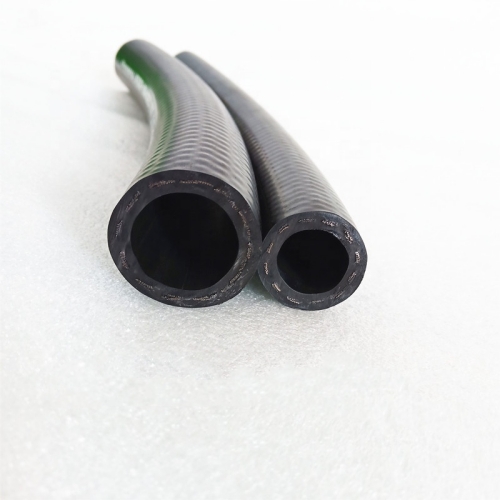
OEM gasoline hoses are critical components in fuel delivery systems for a diverse range of applications, including automotive, marine, and industrial equipment. These hoses are engineered to safely and reliably transfer gasoline, encompassing varying fuel blends including ethanol-enhanced formulations. Their technical position within the supply chain resides between raw material suppliers (polymer and reinforcement material manufacturers) and the final equipment assembly. Core performance characteristics center around fuel impermeability, resistance to degradation from gasoline and its additives, burst pressure capability, and flexibility to facilitate installation in confined spaces. The industry faces increasing pressure to deliver hoses that meet stringent emissions regulations concerning fuel vapor permeation and to extend service life while reducing material costs. This guide provides an in-depth technical overview for procurement managers, engineers, and quality control personnel involved in sourcing and utilizing OEM gasoline hoses.
Material Science & Manufacturing
Gasoline hose construction typically involves multiple layers designed to provide specific functional properties. The inner tube, in direct contact with gasoline, is predominantly manufactured from synthetic rubbers exhibiting excellent fuel resistance. Common materials include Chlorinated Polyethylene (CPE), Nitrile Rubber (NBR), and Fluoroelastomers (FKM/Viton). CPE offers a balance of cost and performance, demonstrating good resistance to gasoline, ozone, and weathering. NBR provides superior oil resistance but may exhibit limited resistance to some gasoline additives. FKM offers the highest level of chemical resistance, especially to aggressive fuel blends, but is significantly more expensive. The reinforcement layer(s) are critical for pressure containment and structural integrity. These typically utilize high-tensile strength textiles such as polyester or aramid fibers (e.g., Kevlar) braided or spiraled around the inner tube. The number of reinforcement layers dictates the hose’s working and burst pressure ratings. An outer cover, typically composed of CPE or Polyvinyl Chloride (PVC), provides abrasion resistance, UV protection, and overall environmental durability. Manufacturing processes include extrusion for the inner tube and outer cover, calendaring for reinforcement plies, and braiding or spiraling of reinforcement layers. Critical process parameters include extrusion temperature, braiding tension, and vulcanization (curing) time and temperature, all of which directly impact the final hose properties. Post-vulcanization, rigorous quality control checks, including burst pressure testing and dimensional verification, are essential.

Performance & Engineering
The performance of gasoline hoses is governed by several key engineering principles. Burst pressure, determined by the reinforcement layer construction and materials, must significantly exceed the maximum operating pressure of the fuel system. Fatigue resistance is critical, as hoses are subjected to repeated pressure cycles and flexure during operation. This is influenced by the polymer’s hysteresis properties and the reinforcement layer’s ability to withstand cyclic loading. Permeation resistance, the ability to prevent gasoline vapor from escaping through the hose wall, is increasingly important due to stringent environmental regulations. Permeation rates are inversely proportional to polymer density and are affected by temperature and fuel composition. Flexibility, characterized by the hose’s bend radius, is crucial for ease of installation. This is largely determined by the polymer’s glass transition temperature (Tg) and the hose’s overall wall thickness. Chemical compatibility testing is vital to ensure the hose materials are not degraded by the specific gasoline blend being used. Failure analysis often reveals issues related to material degradation, reinforcement layer failure, or improper installation leading to kinking or abrasion. Finite Element Analysis (FEA) is frequently employed during the design process to optimize hose geometry and material selection for specific operating conditions, ensuring structural integrity and minimizing stress concentrations.
Technical Specifications
| Parameter | Unit | Typical Value (CPE Hose) | Typical Value (NBR Hose) |
|---|---|---|---|
| Working Pressure | psi | 150 | 120 |
| Burst Pressure | psi | 600 | 480 |
| Tensile Strength (Reinforcement) | psi | 4000 | 4000 |
| Fuel Permeation Rate (Gasoline) | g/m²/day | < 1.0 | < 0.8 |
| Bend Radius | in | 6 | 8 |
| Temperature Range | °F | -40 to 250 | -40 to 200 |
Failure Mode & Maintenance
Common failure modes in gasoline hoses include cracking due to ozone degradation, hardening and embrittlement from prolonged exposure to heat and fuel, delamination of the reinforcement layers, and permeation-induced swelling leading to dimensional instability. Fatigue cracking can occur at fittings or points of high flexure, often initiated by micro-cracks. Internal degradation can result from incompatibility with specific fuel additives, particularly those containing higher concentrations of ethanol. Failure analysis often involves microscopic examination of the fractured surface to identify the root cause. Preventative maintenance includes regular visual inspection for cracks, bulges, or leaks. Hoses should be replaced at recommended intervals, typically every 5-7 years, or sooner if signs of degradation are observed. Proper storage is also critical; hoses should be stored in a cool, dry place away from direct sunlight and ozone sources. Avoid kinking or sharp bending during installation, as this can accelerate fatigue failure. When replacing hoses, ensure compatibility with the fuel system and use appropriately rated fittings. Use of incorrect fittings can lead to leaks and premature failure. Avoid using tools that could damage the hose during installation or removal.
Industry FAQ
Q: What is the impact of ethanol-blended gasoline on hose performance?
A: Ethanol, particularly at higher concentrations (E15, E85), can cause swelling and softening of certain rubber compounds, leading to increased permeation rates and reduced mechanical strength. Hoses specifically formulated for ethanol-blended fuels utilize materials like CPE with enhanced ethanol resistance or employ barrier layers to minimize ethanol permeation. Regular inspection is crucial when using ethanol blends.
Q: How do I determine the appropriate working pressure for a gasoline hose?
A: The working pressure of the hose must exceed the maximum operating pressure of the fuel system, with a suitable safety factor (typically 4:1). Consult the fuel system specifications and select a hose with a corresponding or higher working pressure rating. Never exceed the manufacturer’s recommended working pressure.
Q: What are the key differences between CPE and NBR hoses?
A: CPE offers a better balance of cost and performance, providing good resistance to gasoline, ozone, and weathering. NBR excels in oil resistance but has limited resistance to certain gasoline additives and is generally less ozone-resistant than CPE. The choice depends on the specific fuel composition and operating environment.
Q: What is fuel permeation and why is it important?
A: Fuel permeation is the diffusion of gasoline vapor through the hose wall. It's important due to environmental regulations limiting evaporative emissions and potential fire hazards. Lower permeation rates are desirable and are achieved through the use of dense polymers and barrier layers.
Q: How can I identify a deteriorating gasoline hose?
A: Signs of deterioration include cracking, hardening, swelling, discoloration, or leaks. If any of these are observed, the hose should be replaced immediately. Regular visual inspection is the most effective preventative measure.
Conclusion
OEM gasoline hoses represent a critical safety component within fuel delivery systems. The selection and implementation of these hoses require a thorough understanding of material science, manufacturing processes, and performance characteristics. Key factors include fuel compatibility, pressure ratings, permeation resistance, and environmental durability. Addressing the challenges posed by increasing ethanol content in gasoline and tightening emissions regulations necessitates the adoption of advanced materials and manufacturing techniques.
Proper maintenance, including regular inspection and timely replacement, is essential to ensure continued safe and reliable operation. By adhering to industry standards and best practices, engineers and procurement professionals can mitigate the risk of fuel leaks, environmental contamination, and equipment failure. Future development will likely focus on the use of bio-based polymers and nanotechnology to further enhance hose performance and sustainability.