
Apr . 01, 2024 17:55 Back to list
oem gasoline hose manufacturers Performance Analysis
Introduction
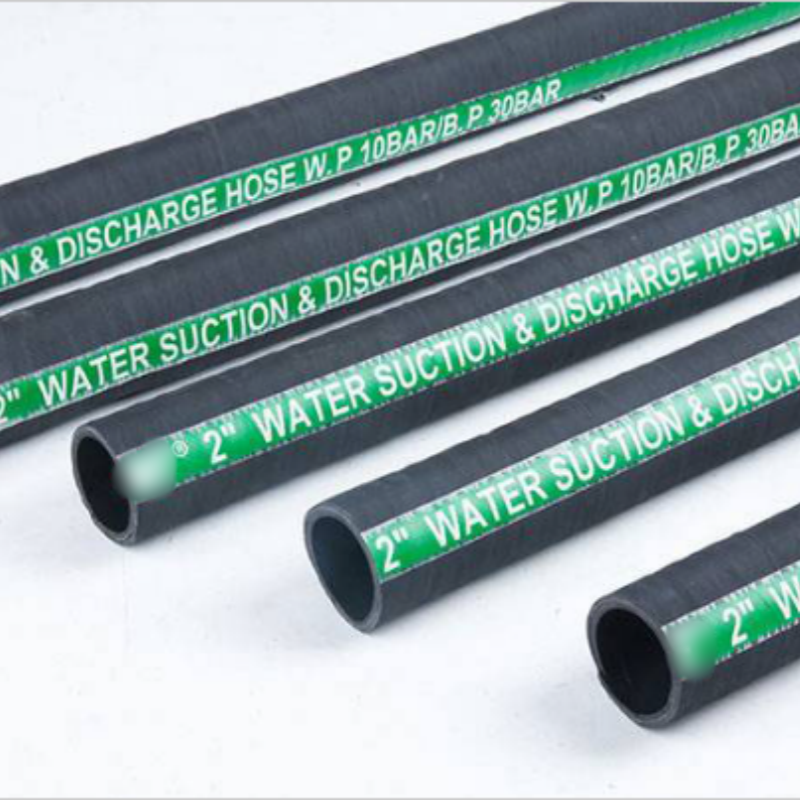
OEM gasoline hoses are critical components in fuel delivery systems for automotive, industrial, and marine applications. Functioning as flexible conduits for the transfer of gasoline, they represent a specialized segment of the broader rubber hose industry. These hoses are not simply flexible tubes; they are engineered assemblies designed to withstand the corrosive nature of gasoline, fluctuating temperatures, and significant pressure differentials. Their position in the supply chain is pivotal, directly impacting vehicle and equipment performance, safety, and regulatory compliance. Core performance characteristics center around fuel resistance (minimizing permeation and degradation), pressure handling capability, burst strength, and long-term durability. The industry currently faces increasing demands for lighter-weight hoses with improved fuel efficiency attributes, driven by tightening emissions standards and the rise of alternative fuel blends.
Material Science & Manufacturing
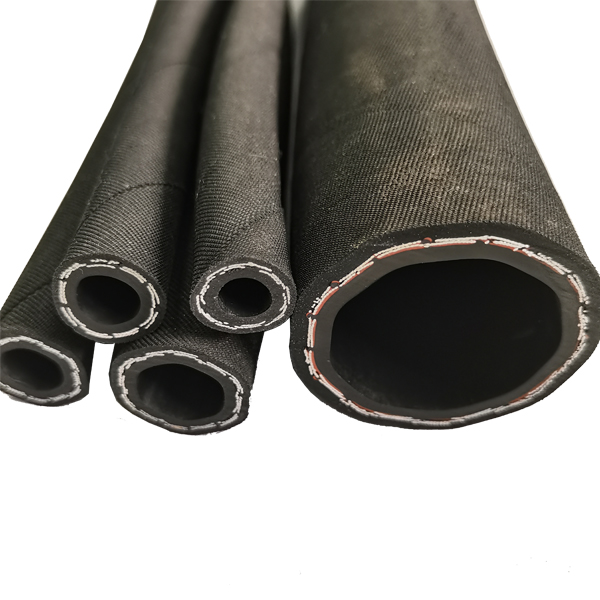
The predominant material for gasoline hose construction is a synthetic rubber compound, most commonly a blend of nitrile rubber (NBR) and polychloroprene rubber (CR), often referred to as Neoprene. NBR provides excellent resistance to aliphatic hydrocarbons (gasoline), while CR enhances ozone, weathering, and heat resistance. The specific formulation is proprietary to each manufacturer and is carefully balanced to meet specific performance requirements. Reinforcement layers are integral, typically utilizing multiple plies of high-tensile textile braiding – polyester is common – embedded within the rubber matrix. This braiding provides the hose with burst strength and resistance to kinking. Manufacturing begins with the mixing of raw rubber polymers, plasticizers, curing agents, and reinforcing fillers (carbon black, silica) in a Banbury mixer. This creates a homogenous rubber compound. Extrusion then forms the inner and outer layers of the hose. The reinforcement braid is simultaneously applied during the extrusion process, utilizing a specialized braiding machine. Following braiding, the hose undergoes a vulcanization (curing) process in an autoclave under controlled temperature and pressure. This process cross-links the rubber molecules, imparting elasticity, strength, and chemical resistance. Critical parameters include extrusion temperature, braid tension, curing time, and temperature uniformity. Post-curing, the hose is trimmed, inspected for defects, and typically undergoes pressure testing to verify structural integrity. The selection of raw materials and precise control of the manufacturing process are paramount in ensuring hose quality and longevity.
Performance & Engineering
Gasoline hose performance is dictated by several engineering considerations. Force analysis focuses on burst pressure, tensile strength, and elongation at break. Burst pressure, the maximum pressure the hose can withstand before failure, is directly related to the reinforcement layer’s strength and the rubber compound's tensile properties. Tensile strength measures the hose's resistance to stretching, while elongation at break indicates its ductility. Environmental resistance is crucial; gasoline hoses are exposed to a wide range of temperatures (-40°C to +125°C is typical) and fluids. Gasoline itself can vary in composition depending on regional regulations and seasonal blends (e.g., ethanol content). The rubber compound must resist swelling, degradation, and permeation from these fuels. Compliance requirements are stringent. In the automotive sector, hoses must meet standards set by SAE International (e.g., SAE J30R9 for fuel injection hose). These standards specify requirements for fuel resistance, pressure handling, and temperature range. Functional implementation dictates hose geometry and end fitting compatibility. Hoses must be flexible enough to route within confined engine compartments and compatible with standardized fuel line connectors. Finite element analysis (FEA) is frequently employed during the design phase to optimize hose geometry and reinforcement placement for maximum performance and durability.
Technical Specifications
| Parameter | Typical Value (SAE J30R9 Equivalent) | Testing Method | Units |
|---|---|---|---|
| Inner Tube Compound | NBR/CR Blend | ASTM D2000 | - |
| Reinforcement | Polyester Braid (Multiple Plies) | SAE J1926 | - |
| Cover Compound | EPDM/CR Blend | ASTM D2000 | - |
| Burst Pressure | 1200-2000 (dependent on hose ID) | SAE J30R9 | PSI |
| Working Pressure | 300-600 (dependent on hose ID) | SAE J30R9 | PSI |
| Temperature Range | -40 to +125 | SAE J30R9 | °C |
Failure Mode & Maintenance
Common failure modes for gasoline hoses include fatigue cracking due to repeated flexing, permeation-induced swelling leading to dimensional instability, and degradation from prolonged exposure to gasoline or ozone. Fatigue cracking typically initiates at points of high stress concentration, such as near end fittings or where the hose bends sharply. Permeation, particularly with ethanol-blended fuels, can cause the rubber compound to swell, reducing its mechanical strength and potentially leading to leaks. Ozone cracking manifests as surface cracks, particularly in areas exposed to atmospheric ozone. Delamination can occur if the bonding between the rubber and reinforcement layers weakens. Oxidation can also degrade the rubber over time, reducing its flexibility and strength. Maintenance is largely preventative. Regular visual inspection for cracks, swelling, or other signs of damage is crucial. Avoid sharp bends or kinks in the hose. Do not expose the hose to incompatible fluids or extreme temperatures. Replace hoses at recommended intervals (typically every 5-7 years, or sooner if damage is detected). Proper storage – away from direct sunlight, heat, and ozone sources – can extend hose lifespan. Correct installation, ensuring proper clamping and routing, minimizes stress and prevents premature failure.
Industry FAQ
Q: What is the impact of increasing ethanol content in gasoline on hose performance?
A: Increasing ethanol content significantly impacts hose performance. Ethanol is a more aggressive solvent than gasoline, leading to increased permeation and swelling of the rubber compound. This can reduce the hose’s mechanical strength, increase fuel loss, and potentially cause cracking. Hoses designed for ethanol-blended fuels utilize specialized rubber formulations with improved ethanol resistance, such as blends with higher concentrations of fluorocarbon elastomers.
Q: How do different reinforcement materials affect hose burst pressure and flexibility?
A: Polyester braiding provides a good balance of strength and flexibility. Steel wire reinforcement offers the highest burst pressure capability but significantly reduces hose flexibility, making it less suitable for tight engine compartments. Aramid fiber reinforcement provides high strength and good flexibility but is more expensive than polyester. The number of braid plies also directly correlates to burst pressure.
Q: What tests are performed to ensure gasoline hose quality during manufacturing?
A: Standard tests include burst pressure testing (SAE J30R9), impulse testing (simulating pulsating pressure), permeation testing (measuring fuel loss through the hose wall), temperature resistance testing, and fluid compatibility testing. Dimensional checks and visual inspections are performed throughout the manufacturing process.
Q: What is the role of the outer cover in gasoline hose construction?
A: The outer cover protects the reinforcement layer from environmental damage (ozone, UV radiation, abrasion) and provides a degree of chemical resistance. It also contributes to the hose’s overall flexibility and aesthetic appearance. Commonly, EPDM or CR compounds are used for the cover.
Q: How does hose ID (Inner Diameter) affect working pressure specifications?
A: Generally, larger hose IDs have lower working pressure ratings than smaller IDs, given the same construction materials and reinforcement. This is because a larger diameter hose wall experiences greater stress under pressure. Therefore, working pressure specifications are always dependent on the hose’s inner diameter.
Conclusion
OEM gasoline hoses are sophisticated engineered products requiring careful material selection, precise manufacturing control, and rigorous testing to ensure safe and reliable fuel delivery. The industry is continually evolving to meet stricter emissions standards, accommodate alternative fuel blends, and improve hose durability. Understanding the underlying material science, manufacturing processes, and performance parameters is critical for both hose manufacturers and end-users.
Future developments are likely to focus on novel rubber compounds with enhanced fuel resistance, lighter-weight reinforcement materials, and advanced manufacturing techniques to reduce production costs and improve quality control. Continued adherence to international standards and a proactive approach to failure analysis will be essential to maintain the integrity and safety of gasoline fuel systems.