
Apr . 01, 2024 17:55 Back to list
oem flexible ptfe hose factory Performance Analysis
Introduction
OEM flexible PTFE hose represents a critical component in fluid transfer systems across a diverse range of industries, including chemical processing, pharmaceuticals, automotive, aerospace, and food & beverage. Its technical position lies in providing a chemically inert, high-temperature resistant, and flexible conduit for aggressive media where traditional materials like rubber or metal fail. PTFE (Polytetrafluoroethylene) hoses, particularly those offered by OEM factories, are custom-engineered to meet specific application demands, offering varying constructions – smooth bore, convoluted, with embedded braids for pressure resistance, and specialized linings for specific chemical compatibility. Core performance characteristics include broad chemical resistance, a wide operating temperature range (-100°F to +500°F / -73°C to +260°C), low coefficient of friction, non-stick properties, and excellent dielectric strength. A major industry pain point revolves around ensuring consistent PTFE quality, proper braid construction for reliable pressure handling, and maintaining dimensional accuracy to prevent leakage or failure during operation. Another key concern is proper end fitting attachment to maintain the integrity of the hose system.
Material Science & Manufacturing
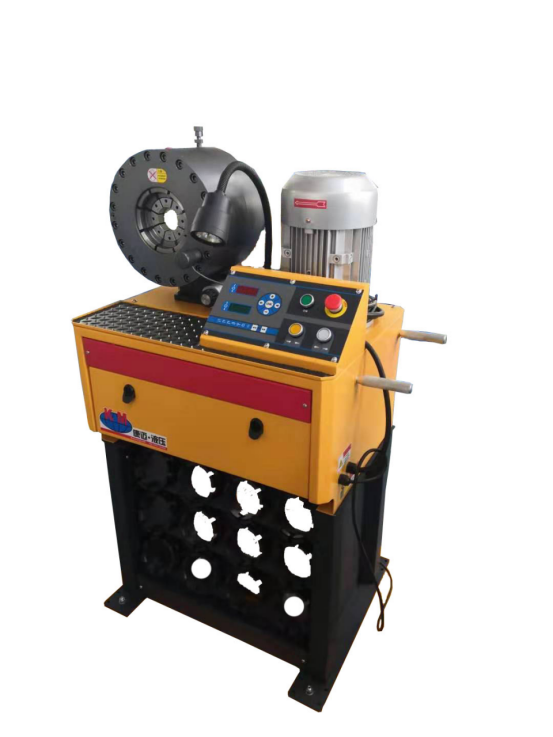
The core material, PTFE, is a synthetic fluoropolymer composed of repeating carbon and fluorine atoms. Its exceptional properties stem from the strong carbon-fluorine bond, imparting remarkable chemical inertness and thermal stability. Raw material selection is paramount, with virgin PTFE resin preferred for critical applications demanding purity and long-term performance. Filled PTFE compounds, incorporating materials like glass fibers, carbon, or bronze, are utilized to enhance mechanical strength, reduce creep, and improve dimensional stability. Manufacturing processes for flexible PTFE hose typically begin with PTFE tube extrusion. Precise control of the extrusion temperature, die geometry, and screw speed are critical to achieve consistent wall thickness and smooth internal bore. Following extrusion, hoses often undergo sintering, a heat treatment process that fuses the PTFE particles, increasing density and mechanical strength. For reinforced hoses, braiding with materials like stainless steel or carbon steel is performed, utilizing specialized braiding machines to ensure uniform coverage and accurate braid angle. End fitting attachment is a critical step, often employing crimping, swaging, or specialized bonding techniques to create a leak-proof seal. Parameter control during braiding includes tension monitoring to prevent deformation of the PTFE, while fitting attachment requires precise force control to avoid damaging the hose or compromising its structural integrity. Quality control involves rigorous testing of PTFE resin properties (melt flow rate, molecular weight), dimensional inspections, and pressure testing to verify performance.

Performance & Engineering
Performance of flexible PTFE hose is heavily dictated by its construction and intended application. Force analysis involves evaluating burst pressure, tensile strength, and elongation at break. Burst pressure is determined by the PTFE wall thickness, braid construction (if applicable), and end fitting strength. Tensile strength measures the hose's resistance to pulling forces, while elongation at break indicates its ductility. Environmental resistance is a crucial consideration, particularly regarding exposure to UV radiation, ozone, and extreme temperatures. PTFE exhibits excellent UV resistance, but prolonged exposure can lead to surface degradation. Temperature fluctuations cause expansion and contraction, necessitating appropriate hose length and routing to prevent stress on connections. Compliance requirements vary by industry. For example, the pharmaceutical and food & beverage industries demand hoses compliant with FDA regulations (21 CFR 177.1550) and USP Class VI standards to ensure biocompatibility and prevent contamination. The automotive industry requires hoses to meet SAE J30R9 and ISO 16877 standards for fuel and coolant lines. Functional implementation involves selecting the appropriate hose construction (smooth bore vs. convoluted, reinforced vs. unreinforced) based on flow rate, pressure requirements, chemical compatibility, and flexibility needs. Proper hose routing and support are essential to prevent kinking, abrasion, and premature failure. Static dissipation is another crucial engineering consideration in certain applications to prevent electrostatic discharge.
Technical Specifications
| Parameter | Unit | Standard Specification | Typical OEM Range |
|---|---|---|---|
| Inner Diameter | inch | SAE J518 | 0.25 – 4.0 |
| Outer Diameter | inch | ASTM D3035 | 0.375 – 4.5 |
| Working Pressure | psi | ISO 6802 | Vacuum to 5000 |
| Burst Pressure | psi | ASTM D4829 | 4x Working Pressure |
| Temperature Range | °F | ASTM D3418 | -100 to +500 |
| Chemical Resistance | - | ASTM F151 | Excellent to most chemicals |
Failure Mode & Maintenance
Failure modes in flexible PTFE hose are diverse and often application-specific. Fatigue cracking, particularly in convoluted hoses subjected to repeated bending, is a common issue. This is exacerbated by improper hose routing or excessive bending radius. Delamination can occur in reinforced hoses if the bond between the PTFE liner and the braid is compromised, often due to improper end fitting attachment or exposure to aggressive chemicals. Degradation of PTFE can occur at elevated temperatures above 500°F or through prolonged exposure to specific chemicals like molten alkali metals. Oxidation can lead to embrittlement and cracking, especially in applications involving ozone or strong oxidizing agents. Permeation, the diffusion of fluids through the hose wall, is a concern for certain gases or volatile liquids. Maintenance involves regular visual inspections for cracks, kinks, abrasions, and swelling. Pressure testing should be conducted periodically to verify hose integrity. Avoid sharp bends and ensure proper support to prevent stress on connections. When handling aggressive chemicals, verify compatibility with the PTFE material and avoid prolonged exposure. End fittings should be inspected for corrosion or damage and replaced as needed. Cleaning should be performed with mild detergents and water; avoid abrasive cleaners that could damage the PTFE surface. Proper storage involves protecting the hose from UV radiation and extreme temperatures. Regularly check crimp connections for tightness and ensure correct torque values are used during re-assembly.
Industry FAQ
Q: What is the impact of PTFE resin molecular weight on hose performance?
A: Higher molecular weight PTFE resin generally results in improved creep resistance, tensile strength, and chemical resistance. Lower molecular weight resins are easier to process but may exhibit reduced performance characteristics, particularly at elevated temperatures and under sustained pressure.
Q: How does braid construction affect the pressure rating of a PTFE hose?
A: The braid material, braid angle, and braid coverage all influence the pressure rating. Stainless steel provides superior corrosion resistance, while carbon steel offers higher strength at a lower cost. A tighter braid angle and higher coverage provide greater reinforcement and increase the hose's ability to withstand pressure.
Q: What are the considerations for selecting the correct end fitting material for a PTFE hose?
A: End fitting material must be compatible with both the PTFE hose and the fluid being conveyed. Stainless steel is commonly used for its corrosion resistance. The fitting attachment method (crimping, swaging, etc.) should be appropriate for the hose construction and pressure requirements. Galvanic corrosion must be avoided by selecting compatible metals.
Q: How does temperature affect the flexibility of a PTFE hose?
A: PTFE hoses generally become more flexible at higher temperatures due to the increased polymer chain mobility. However, exceeding the maximum operating temperature can lead to degradation and reduced performance. At lower temperatures, PTFE can become stiffer and less flexible.
Q: What testing procedures are used to verify the chemical compatibility of a PTFE hose?
A: Chemical compatibility is typically verified through immersion testing, where the hose is exposed to the target chemical for a specified period at a defined temperature. Changes in weight, dimensions, hardness, and appearance are monitored to assess compatibility. ASTM F151 provides standardized test methods.
Conclusion
OEM flexible PTFE hose stands as a crucial component in numerous industrial applications requiring robust fluid transfer capabilities. Its unique combination of chemical inertness, thermal stability, and flexibility makes it ideally suited for handling aggressive media and operating in demanding environments. Selecting the appropriate hose construction, materials, and end fittings, coupled with adherence to relevant industry standards and proper maintenance practices, are essential to ensure long-term performance and prevent premature failure.
The continued development of PTFE hose technology focuses on enhancing performance characteristics, such as reducing permeation rates, improving flexibility at low temperatures, and developing specialized coatings for enhanced abrasion resistance. Understanding the nuanced interplay between material science, manufacturing processes, and application-specific requirements is vital for optimizing hose performance and ensuring the integrity of fluid transfer systems. Ongoing research into novel PTFE compounds and manufacturing techniques will undoubtedly lead to further advancements in this critical technology.

