
Apr . 01, 2024 17:55 Back to list
oem en857 2sc factory Performance Analysis
Introduction
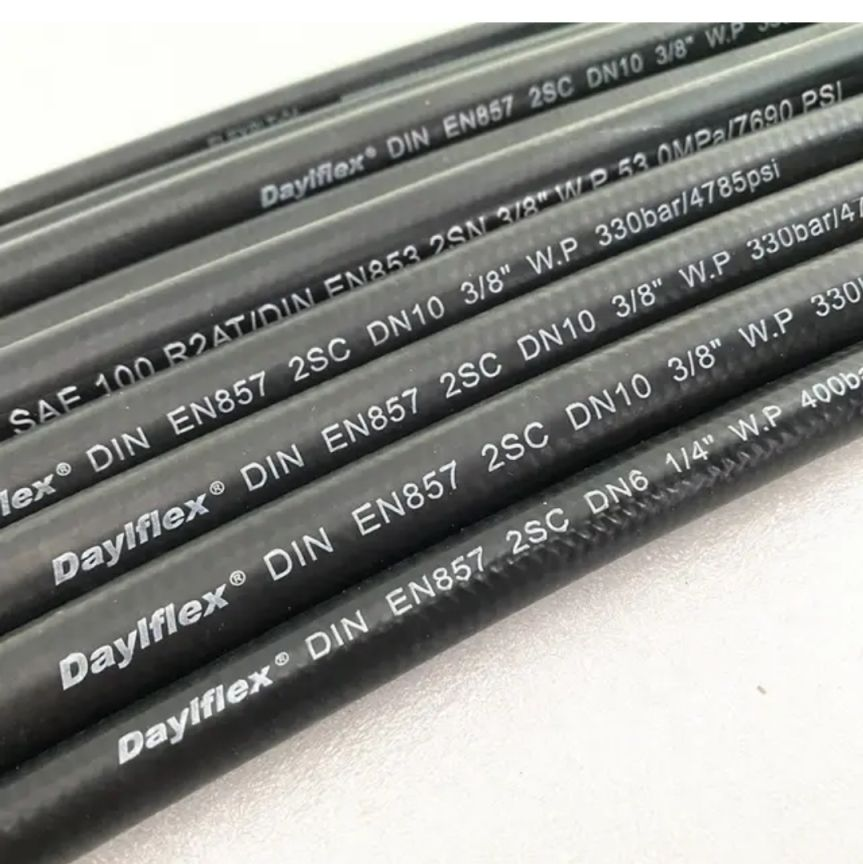
The EN857 2SC hose represents a critical component in fluid conveyance systems, specifically designed for hydraulic applications demanding high performance and reliability. Positioned within the industrial hose supply chain as an OEM product, it bridges the gap between raw material manufacturers and equipment builders. This guide provides an in-depth analysis of the EN857 2SC hose, focusing on its material science, manufacturing processes, performance characteristics, potential failure modes, and relevant industry standards. Core performance is defined by its capability to withstand high pressures, resist abrasion, and maintain flexibility across a specified temperature range. A significant industry pain point centers around hose degradation due to incompatibility with modern synthetic lubricants and the difficulty in verifying consistent manufacturing quality across different OEM suppliers. This document aims to address these challenges by providing a comprehensive technical overview.
Material Science & Manufacturing
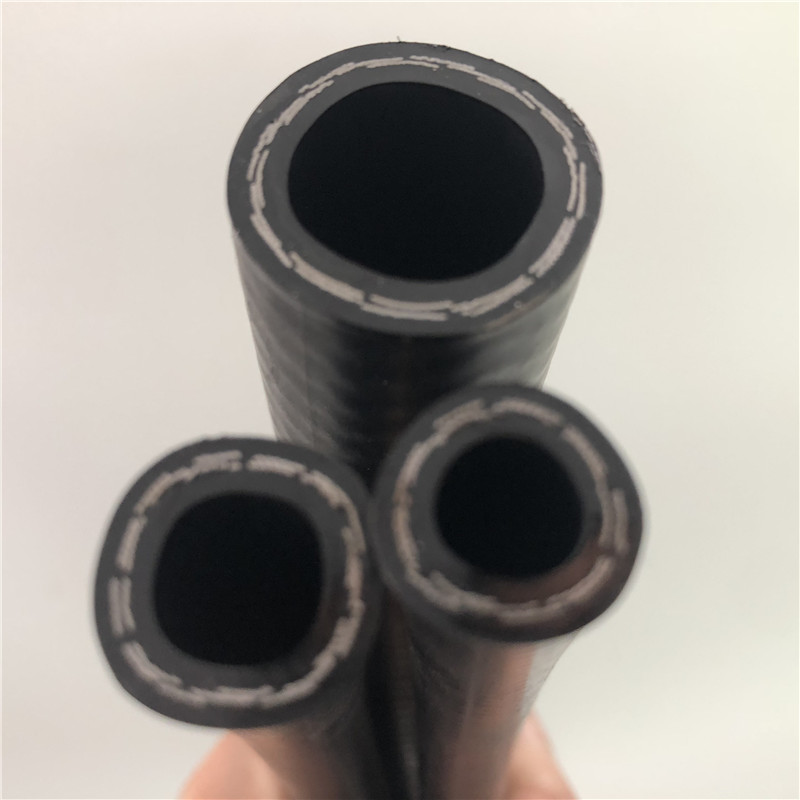
The EN857 2SC hose is constructed from multiple layers, each contributing to its overall performance. The inner tube is typically made of a synthetic rubber compound, most commonly a nitrile rubber (NBR) formulation exhibiting excellent resistance to petroleum-based hydraulic fluids. NBR’s chemical structure provides inherent resistance to swelling and degradation in the presence of these fluids, but its limitations regarding phosphate ester hydraulic fluids must be considered. Reinforcement is provided by multiple high-tensile steel wire braids, typically two spiral layers, which dictate the hose's pressure rating. The steel wire used is often a high-carbon steel, heat-treated for optimal strength and ductility. An outer cover, usually comprised of a chloroprene (CR) rubber compound, protects the reinforcement layers from abrasion, ozone, and weathering. CR offers superior resistance to these environmental factors compared to NBR. Manufacturing involves several critical steps. The inner tube is extruded through a die to achieve the desired inner diameter and wall thickness. Steel wire braids are spirally wound onto the tube. The outer cover is then extruded over the braided reinforcement. Key parameter control during manufacturing includes precise control of rubber compound mixing ratios, extrusion temperatures, braid pitch, and curing times. Improper curing can lead to incomplete vulcanization and reduced mechanical properties. The steel wire surface treatment prior to braiding is also critical to ensure adequate adhesion between the steel and the rubber matrix.
Performance & Engineering
The performance of an EN857 2SC hose is governed by several engineering principles. Burst pressure, working pressure, and impulse pressure are key parameters. Burst pressure is determined by the tensile strength of the steel wire and the adhesion between the steel and rubber. Working pressure is typically 1/4 of the burst pressure, providing a safety factor. Impulse pressure, which represents the hose’s ability to withstand pressure surges, is heavily influenced by the flexibility of the hose and the damping characteristics of the rubber compound. Force analysis during operation involves considerations of internal pressure causing hoop stress in the hose wall, and external bending forces inducing flexural stress. Environmental resistance is crucial; temperature fluctuations can affect the rubber compound’s elasticity and cause it to crack or harden. Exposure to ozone, UV radiation, and corrosive chemicals can accelerate degradation. Compliance requirements dictate adherence to standards such as SAE J517, which specifies performance requirements for hydraulic hoses. Functional implementation necessitates proper hose fitting selection and installation. Incorrect fittings can lead to leakage or premature failure. The hose must also be routed correctly to avoid excessive bending or abrasion. Fatigue life, a critical performance indicator, is determined through repeated pressure cycling tests, evaluating the hose's ability to withstand continuous operation without failure.
Technical Specifications
| Parameter | Unit | Specification (Typical) | Test Standard |
|---|---|---|---|
| Working Pressure | MPa | 20.7 | SAE J517 |
| Burst Pressure | MPa | 82.7 | SAE J517 |
| Temperature Range | °C | -40 to +100 | SAE J517 |
| Inner Tube Material | - | Nitrile Rubber (NBR) | ASTM D2000 |
| Reinforcement | - | Two Steel Wire Braids | SAE J517 |
| Outer Cover Material | - | Chloroprene Rubber (CR) | ASTM D2000 |
Failure Mode & Maintenance
EN857 2SC hoses are susceptible to several failure modes. Fatigue cracking, initiated by repeated pressure cycling, is a common issue, particularly near fittings. Delamination, the separation of rubber layers from the steel wire reinforcement, occurs due to inadequate adhesion or exposure to aggressive chemicals. Degradation of the rubber compound, caused by ozone, UV radiation, or incompatible fluids, leads to loss of elasticity and cracking. Oxidation, particularly at elevated temperatures, contributes to hardening and embrittlement. Abrasion, resulting from contact with abrasive surfaces, wears away the outer cover, exposing the reinforcement layers. Maintenance involves regular visual inspections for cracks, abrasions, and leaks. Fittings should be checked for tightness and corrosion. Hoses should be replaced if any signs of damage are observed. Avoid sharp bends and excessive twisting during installation and operation. Proper storage is essential; hoses should be stored in a cool, dry place away from direct sunlight and ozone sources. Periodic pressure testing can help identify potential weaknesses before they lead to catastrophic failure. Fluid compatibility must always be verified to prevent chemical attack on the rubber compounds. Preventative maintenance schedules should be implemented based on operating conditions and application criticality.
Industry FAQ
Q: What is the impact of phosphate ester fluids on the NBR inner tube?
A: Phosphate ester fluids are known to cause swelling and degradation of NBR. Prolonged exposure can lead to a significant reduction in the hose’s working pressure and ultimately, failure. For applications using phosphate ester fluids, a specialized inner tube material such as EPDM is recommended.
Q: How does steel wire quality affect hose performance?
A: The tensile strength, ductility, and surface treatment of the steel wire directly impact the hose’s burst pressure, fatigue life, and adhesion to the rubber compound. Lower-quality steel wire is more prone to fracture and can lead to premature hose failure.
Q: What are the critical considerations for fitting selection?
A: Fittings must be compatible with the hose size and material, and they must be rated for the same working pressure. Incorrect fittings can create stress concentrations, leading to leakage or failure. Crimping procedures must adhere to manufacturer specifications to ensure proper sealing.
Q: How does temperature affect the lifespan of an EN857 2SC hose?
A: Operating outside the specified temperature range (-40 to +100°C) can significantly reduce the hose's lifespan. High temperatures accelerate rubber degradation, while low temperatures can cause the rubber to harden and crack. Consistent exposure to extreme temperatures requires more frequent inspections.
Q: What preventative measures can be taken to mitigate ozone cracking?
A: Ozone cracking is best mitigated through proper storage and avoidance of environments with high ozone concentrations. The CR outer cover provides some protection, but prolonged exposure should be minimized. Anti-ozone additives can be incorporated into the rubber compound during manufacturing.
Conclusion
The EN857 2SC hose remains a crucial component in numerous hydraulic systems, providing a reliable solution for fluid conveyance under high pressure. Understanding its material science, manufacturing intricacies, and performance limitations is vital for ensuring optimal operation and preventing premature failures. The selection of appropriate materials, meticulous manufacturing control, and adherence to industry standards are paramount to maximizing lifespan and ensuring safety.
Future developments in hydraulic hose technology are likely to focus on advanced materials, such as thermoplastic composites, offering improved weight reduction and corrosion resistance. Continued refinement of rubber formulations to enhance compatibility with emerging hydraulic fluids will also be critical. Implementing advanced non-destructive testing methods for quality control will further improve reliability and reduce the risk of catastrophic failures.

