
Apr . 01, 2024 17:55 Back to list
oem en856 4sp factories Performance Analysis

Introduction
OEM EN856 4SP hoses are hydraulic hoses conforming to the EN 856 standard, specifically the 4 spiral wire reinforcement type. These hoses are critical components in hydraulic power transmission systems, used across a broad range of industries including construction, agriculture, mining, and manufacturing. The ‘4SP’ designation denotes four layers of high-tensile steel wire spiral, providing exceptional pressure resistance and durability. Their function is to reliably convey hydraulic fluid under high pressure to actuators and other hydraulic components. A key industrial pain point addressed by these hoses is ensuring consistent performance and preventing catastrophic failure due to burst pressure limitations, especially in demanding applications with dynamic loading and temperature fluctuations. Understanding material composition, manufacturing quality control, and adherence to international standards is paramount for OEMs and end-users alike.
Material Science & Manufacturing
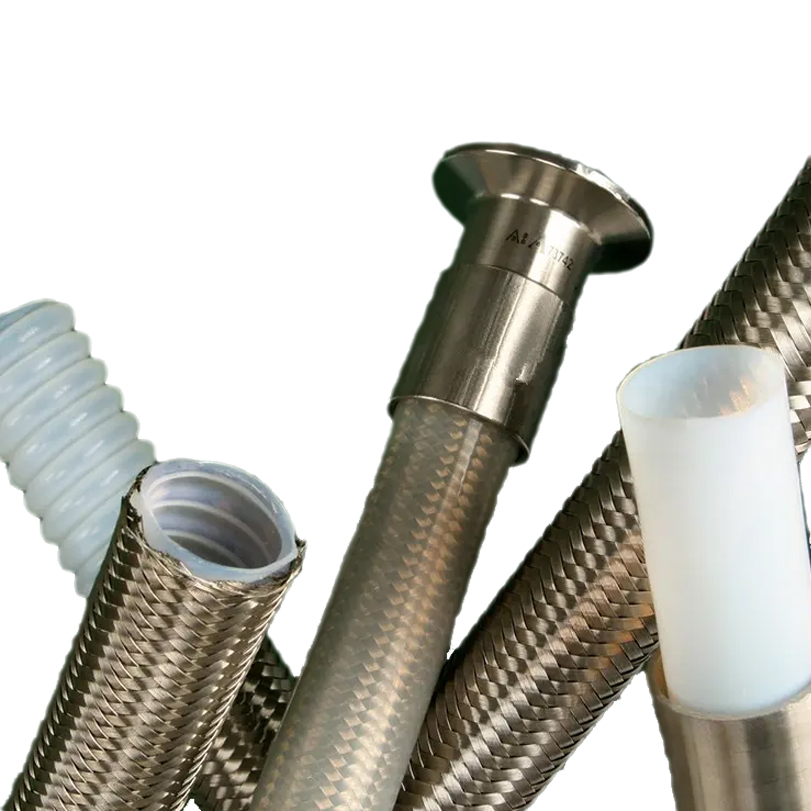
EN856 4SP hoses typically comprise several layers, each with specific material properties. The inner tube is commonly constructed from NBR (Nitrile Butadiene Rubber) due to its excellent resistance to petroleum-based hydraulic fluids. However, EPDM (Ethylene Propylene Diene Monomer) is used for applications requiring superior heat and ozone resistance, and FKM (Fluorocarbon) is employed when compatibility with aggressive fluids like phosphate esters is required. The reinforcement layer consists of four helically wound high-tensile steel wires, providing the hose’s strength and pressure resistance. These wires are typically coated with zinc or a zinc alloy to prevent corrosion. The outer cover is usually made of CR (Chloroprene Rubber), offering abrasion, weathering, and ozone resistance. Manufacturing involves extrusion of the inner tube, followed by the precise winding of the steel wire reinforcement using automated machinery. Maintaining consistent wire tension and pitch is critical for uniform pressure distribution. The outer cover is then extruded, and the hose is cured using a vulcanization process. Key parameters controlled during manufacturing include rubber compound viscosity, extrusion temperature, wire winding tension, curing time, and temperature. Deviation from these parameters can lead to defects such as porosity, uneven reinforcement, and reduced burst pressure.
Performance & Engineering
The performance of EN856 4SP hoses is dictated by their ability to withstand high pressures, temperatures, and dynamic stresses. Force analysis considers hoop stress in the hose wall due to internal pressure, bending stress caused by hose routing, and axial stress from movement and vibration. Finite element analysis (FEA) is frequently employed during the design phase to optimize hose construction and predict stress concentrations. Environmental resistance is crucial, particularly in outdoor applications. The hose must withstand exposure to UV radiation, ozone, extreme temperatures (-40°C to +100°C is typical), and various chemicals. Compliance requirements, particularly regarding safety, are paramount. EN 856 specifies burst pressure testing, impulse testing (cyclic pressure testing), and temperature cycling tests. Furthermore, the hose must meet REACH and RoHS directives regarding restricted substances. The functional implementation relies heavily on correct fitting selection and installation. Improperly crimped fittings or incorrect hose routing can significantly reduce the hose's lifespan and create potential failure points. Hose guard protection is often required to prevent abrasion and impact damage in harsh environments. A critical engineering consideration is the propagation of fluid leaks and the mitigation of potential hazards associated with high-pressure fluid ejection.
Technical Specifications
| Parameter | Specification (Typical) | Test Standard | Units |
|---|---|---|---|
| Working Pressure | Up to 420 bar | EN 856 | bar |
| Burst Pressure | >1260 bar | EN 856 | bar |
| Temperature Range | -40°C to +100°C | EN 856 | °C |
| Inner Tube Material | NBR (standard), EPDM, FKM | ASTM D2000 | - |
| Reinforcement | 4 Spiral High-Tensile Steel Wire | EN 856 | - |
| Outer Cover Material | CR (Chloroprene Rubber) | ASTM D2000 | - |
Failure Mode & Maintenance
Common failure modes for EN856 4SP hoses include burst failure due to exceeding the working pressure, impulse failure from cyclical pressure fluctuations, and degradation of the rubber compounds. Fatigue cracking can occur at the fitting interface due to repeated flexing and vibration. Delamination of the reinforcement layers can result from corrosion of the steel wires or inadequate bonding between layers. Oxidation of the rubber compounds leads to loss of flexibility and eventual cracking. Pinholes and porosity in the inner tube can cause leakage. Maintenance involves regular visual inspection for signs of wear, damage, or leakage. Fittings should be checked for proper crimping and tightness. Hose routing should be examined to ensure it avoids sharp bends or abrasion points. Fluid contamination can accelerate hose degradation; therefore, regular filter replacement is crucial. If damage is detected, the hose should be replaced immediately. Avoid kinking or twisting the hose during handling and storage. Proper storage involves protecting the hose from direct sunlight, extreme temperatures, and ozone. Scheduled preventative maintenance programs are highly recommended to minimize downtime and ensure safe operation. Failure analysis should be conducted on failed hoses to determine the root cause and prevent recurrence.
Industry FAQ
Q: What is the significance of the '4SP' designation in EN856 hoses, and how does it impact pressure capability?
A: The ‘4SP’ designation refers to four spiral layers of high-tensile steel wire reinforcement. Each additional layer of reinforcement increases the hose's ability to withstand internal pressure and resist expansion. The steel wires bear the majority of the pressure load, preventing the rubber tube from bursting. A 4SP hose provides significantly higher pressure ratings compared to 2SP or 3SP configurations.
Q: How does temperature affect the performance and lifespan of an EN856 4SP hose?
A: Extreme temperatures – both high and low – can degrade the rubber compounds used in the hose's construction. High temperatures accelerate oxidation and reduce the rubber's elasticity, leading to cracking and leakage. Low temperatures can make the rubber brittle and prone to damage. Operating outside the specified temperature range (-40°C to +100°C typically) will significantly reduce the hose's lifespan and increase the risk of failure.
Q: What are the common causes of hose failure at the fitting interface?
A: Common causes include improper crimping of the fittings, leading to a loose or compromised seal. Repeated flexing and vibration can cause fatigue cracking around the fitting. Corrosion of the fitting or hose shank can also weaken the connection. Using incompatible fittings or incorrect crimping dies can result in premature failure. Regular inspection of fittings and re-crimping if necessary is crucial.
Q: What is the role of zinc coating on the steel wire reinforcement, and what happens if it's compromised?
A: The zinc coating provides corrosion protection to the steel wire reinforcement. Corrosion weakens the steel wires, reducing their tensile strength and increasing the risk of hose rupture. If the zinc coating is damaged or compromised (e.g., through exposure to salt water or corrosive chemicals), the hose's lifespan will be significantly reduced. The hose may fail catastrophically at a lower pressure than its rated capacity.
Q: How important is fluid compatibility when selecting an EN856 4SP hose?
A: Fluid compatibility is critical. Using a hose with an incompatible inner tube material can lead to swelling, softening, or chemical degradation of the rubber. This results in leakage, reduced pressure capacity, and premature hose failure. For example, standard NBR hoses are not suitable for phosphate ester fluids, requiring the use of FKM-lined hoses.
Conclusion
OEM EN856 4SP hoses represent a critical component in countless hydraulic systems, demanding a thorough understanding of their material science, manufacturing processes, and operational limitations. Achieving reliable performance necessitates rigorous quality control during production, careful selection of materials compatible with the hydraulic fluid, and adherence to established industry standards. Failure to address these aspects can result in costly downtime, safety hazards, and potential environmental damage.
Looking ahead, advancements in hose technology will focus on developing materials with improved temperature resistance, abrasion resistance, and chemical compatibility. Smart hose monitoring systems, incorporating sensors to detect pressure, temperature, and leakage, will become increasingly prevalent, enabling predictive maintenance and enhancing system reliability. A continued commitment to research and development is essential to meet the evolving demands of modern hydraulic applications.

