
Apr . 01, 2024 17:55 Back to list
oem en854 1te factory Performance Analysis
Introduction
The EN 854 1TE hose, often procured through OEM (Original Equipment Manufacturer) channels, represents a critical component in low, medium, and high-pressure hydraulic systems. Defined by its working pressure rating of 1TE (approximately 10 MPa or 1450 psi), this hose is a standardized product conforming to the European standard EN 854, specifically the 1TE pressure classification. It finds extensive application in construction machinery, agricultural equipment, material handling systems, and industrial automation where reliable fluid conveyance is paramount. Its technical position within the fluid power industry chain places it as a crucial link between the pump, control valves, and actuators, directly impacting system performance and safety. Core performance characteristics include burst pressure, impulse resistance, temperature range, and fluid compatibility, all of which are stringently defined within the EN 854 standard. The selection and correct implementation of EN 854 1TE hoses are often a pain point for procurement managers and engineers due to the potential for premature failure leading to downtime, safety hazards, and costly repairs. Understanding the nuances of hose construction, material science, and appropriate fitting selection is therefore essential.
Material Science & Manufacturing
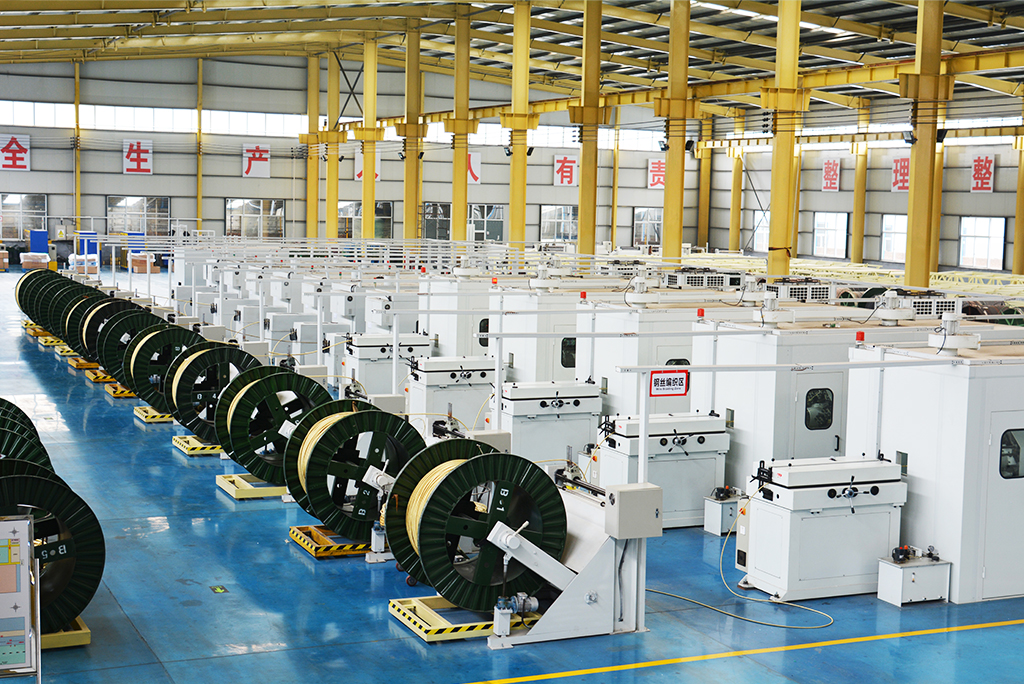
EN 854 1TE hoses are typically constructed from a synthetic rubber inner tube, reinforced with one or more layers of high-tensile steel wire braid, and protected by a synthetic rubber outer cover. The inner tube material is commonly oil-resistant nitrile rubber (NBR) offering compatibility with a wide range of hydraulic fluids, including mineral oils and synthetic hydraulic fluids. However, compatibility should be verified based on the specific fluid used in the application. Steel wire used for reinforcement is typically high-carbon steel, surface treated for corrosion resistance. The outer cover, often utilizing a blend of synthetic rubbers like SBR (styrene-butadiene rubber) or CR (chloroprene rubber), provides abrasion resistance, weather protection, and resistance to ozone degradation. Manufacturing begins with the extrusion of the inner tube and outer cover, followed by the precise winding of the steel wire braid. This braid pitch and wire diameter directly influence the hose's pressure rating and flexibility. Critical process parameters include temperature control during extrusion to ensure consistent rubber properties, braid tension control to guarantee proper reinforcement density, and vulcanization (curing) time and temperature. Vulcanization is critical for achieving the desired mechanical properties of the rubber components, including tensile strength, elongation at break, and hardness. Failure to adequately control these parameters can lead to inconsistencies in hose performance and premature failure. Chemical compatibility testing of the inner tube with the intended hydraulic fluid is also a crucial quality control step.
Performance & Engineering
The performance of an EN 854 1TE hose is governed by several engineering principles. Force analysis focuses on hoop stress within the hose wall due to internal pressure. The steel wire braid resists this stress, preventing hose expansion and failure. The number of braid layers directly impacts the hose's burst pressure. Impulse resistance, a critical performance characteristic, is evaluated through impulse testing which subjects the hose to cyclical pressure fluctuations. The hose must withstand a specified number of cycles without failure. Environmental resistance is determined by the rubber compounds used for the inner tube and outer cover. Exposure to extreme temperatures, UV radiation, and ozone can degrade these materials, reducing hose life. EN 854 mandates specific testing procedures for temperature range and ozone resistance. Compliance requirements extend beyond the EN 854 standard itself. Depending on the application and geographical location, hoses may also need to comply with regulations such as REACH (Registration, Evaluation, Authorisation and Restriction of Chemicals) and RoHS (Restriction of Hazardous Substances). Functional implementation demands careful consideration of hose bend radius, fitting selection, and hose routing. Excessive bending or kinking can damage the reinforcement and reduce hose life. Properly selected fittings are critical for creating a leak-free and mechanically robust connection.
Technical Specifications
| Parameter | Unit | Specification (EN 854 1TE) | Typical OEM Variation |
|---|---|---|---|
| Working Pressure | MPa | 10 | 9.5 - 10.5 |
| Burst Pressure | MPa | 30 | 28 - 32 |
| Inner Tube Material | - | Nitrile Rubber (NBR) | NBR, EPDM (for specific fluids) |
| Reinforcement | - | Single Steel Wire Braid | Single or Double Steel Wire Braid |
| Outer Cover Material | - | Synthetic Rubber (SBR/CR) | SBR, CR, Polyurethane |
| Temperature Range | °C | -40 to +100 | -40 to +120 (depending on cover material) |
Failure Mode & Maintenance
Common failure modes of EN 854 1TE hoses include burst failure due to exceeding the working pressure, impulse failure from cyclical pressure fluctuations, and leakage caused by fitting failures or damage to the inner tube. Fatigue cracking of the steel wire braid can occur over time due to repeated bending and flexing. Delamination of the rubber layers can result from improper vulcanization or exposure to incompatible fluids. Oxidation and degradation of the rubber compounds are accelerated by exposure to heat, UV radiation, and ozone. Maintenance should focus on regular visual inspections for signs of damage, such as cracks, abrasions, and swelling. Fittings should be checked for tightness and corrosion. Hose routing should be reviewed to ensure proper bend radius and avoid contact with abrasive surfaces. If a hose shows any signs of damage, it should be replaced immediately. Preventative maintenance includes proper storage of hoses in a cool, dry, and dark environment. Hydraulic fluid should be regularly analyzed to ensure it remains within specification and does not contain contaminants that could damage the hose. For burst hoses, a thorough failure analysis should be conducted to determine the root cause and prevent future occurrences. This analysis should include examination of the fractured hose ends, fitting connections, and fluid analysis.
Industry FAQ
Q: What is the significance of the '1TE' designation in EN 854, and how does it impact hose selection?
A: The '1TE' designation specifies the hose's working pressure rating – 10 MPa (1450 psi). It’s crucial because selecting a hose with an insufficient pressure rating will lead to catastrophic failure. Engineers must carefully calculate the maximum system pressure, factoring in pressure spikes and surges, and select a hose with a working pressure that significantly exceeds this value. The 1TE designation dictates the minimum reinforcement requirements to achieve that pressure rating.
Q: How do different hydraulic fluids impact the longevity of an EN 854 1TE hose?
A: Hydraulic fluid compatibility is paramount. NBR, the standard inner tube material, is compatible with most mineral oils. However, phosphate ester fluids, for instance, require specialized inner tube materials like EPDM. Using an incompatible fluid will cause the inner tube to swell, crack, or degrade, leading to premature failure. Regular fluid analysis is recommended to confirm fluid integrity and prevent contamination.
Q: What are the key considerations for selecting the correct fittings for an EN 854 1TE hose?
A: Fittings must be specifically designed for EN 854 hoses and match the hose’s bore size and pressure rating. Incorrect fittings can create leak paths or weaken the hose connection. Crimping procedures are also critical; improper crimping can damage the hose reinforcement and reduce its burst pressure. The fitting material should also be compatible with the hydraulic fluid and the surrounding environment to prevent corrosion.
Q: What preventative measures can be taken to minimize the risk of impulse failure in EN 854 1TE hoses?
A: Impulse failure is often caused by pressure spikes and shocks. Installing accumulators or pulsation dampeners in the hydraulic system can mitigate these impulses. Proper hose routing to avoid sharp bends and excessive flexing is also essential. Selecting a hose with a higher impulse rating, or considering a hose with multiple reinforcement braids, can further reduce the risk of failure.
Q: How important is proper hose storage, and what are the best practices?
A: Proper storage is crucial to prevent premature degradation. Hoses should be stored in a cool, dry, and dark environment, away from direct sunlight, ozone sources, and heat. They should be coiled loosely and protected from mechanical damage. Avoid storing hoses in contact with incompatible materials. Regularly inspect stored hoses for signs of deterioration before use.
Conclusion
The EN 854 1TE hose represents a standardized, yet technically complex, component within the hydraulic power landscape. Its reliable performance hinges on a confluence of factors, including precise material selection, rigorous manufacturing control, and diligent adherence to industry standards. Understanding the core principles of fluid conveyance, force analysis, and material compatibility is crucial for engineers and procurement professionals alike.
Looking ahead, advancements in hose technology will likely focus on developing lighter-weight materials, increasing impulse resistance, and enhancing fluid compatibility. Adopting predictive maintenance strategies, such as vibration analysis and thermal imaging, can further optimize hose lifespan and minimize downtime. Continued adherence to evolving industry standards and a commitment to quality control will remain paramount in ensuring the safe and efficient operation of hydraulic systems utilizing EN 854 1TE hoses.

