
Apr . 01, 2024 17:55 Back to list
oem en 857 2sc hydraulic hose supplier Performance Analysis
Introduction
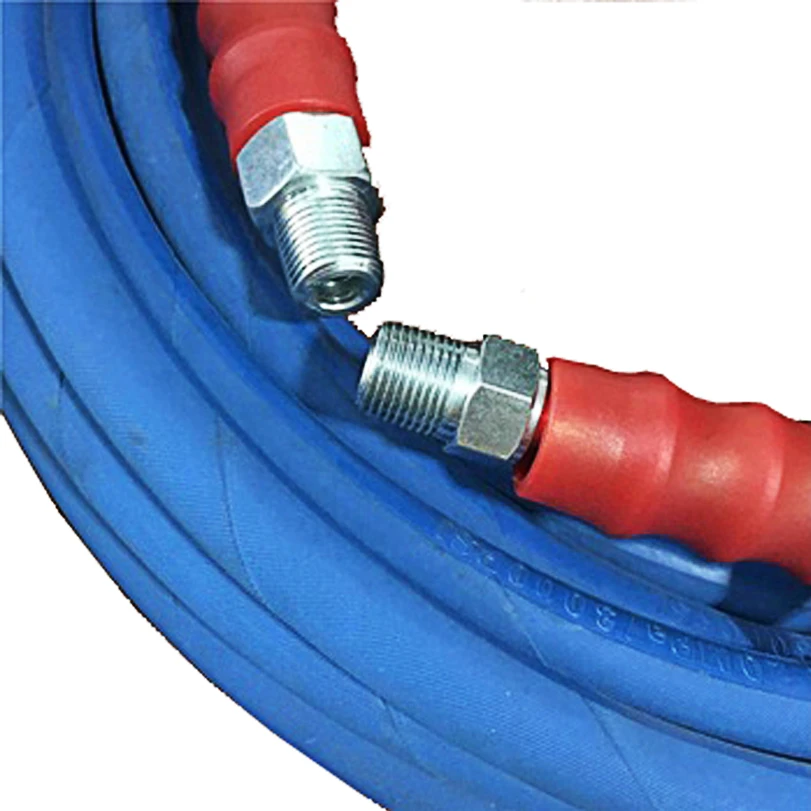
EN 857 2SC hydraulic hoses are critical components in fluid power systems, representing a standardized solution for medium-pressure applications across diverse industries. These hoses, manufactured to European standard EN 857, utilize a two-steel wire spiral reinforcement embedded within a synthetic rubber compound. This construction provides robust pressure resistance and flexibility, making them suitable for conveying hydraulic oil, water, and other compatible fluids. The '2SC' designation specifically denotes the hose's characteristics: two layers of steel wire braid offering enhanced performance compared to single-reinforced alternatives. Understanding the nuanced properties, manufacturing processes, and potential failure modes of EN 857 2SC hoses is paramount for engineers and procurement professionals to ensure system reliability, safety, and longevity. Core performance characteristics include burst pressure, working pressure, temperature range, and fluid compatibility, all of which are governed by strict compliance requirements. The selection of a suitable 2SC hose is driven by application-specific demands, focusing on minimizing risks associated with fluid leakage, hose rupture, and system downtime, common pain points in sectors like construction, agriculture, and industrial manufacturing.
Material Science & Manufacturing
The construction of an EN 857 2SC hydraulic hose begins with the careful selection of raw materials. The inner tube, typically composed of synthetic rubber compounds like nitrile (NBR) or ethylene propylene diene monomer (EPDM), determines fluid compatibility and temperature resistance. NBR offers excellent resistance to petroleum-based oils, while EPDM excels in applications involving water and phosphate ester fluids. The reinforcement layer consists of high-tensile steel wire, precisely wound in a spiral configuration. Steel grade and wire diameter are crucial parameters influencing burst pressure and fatigue life. The outer cover, generally a synthetic rubber blend such as chloroprene (CR), provides environmental protection against abrasion, ozone, and UV degradation. Manufacturing involves a multi-stage process. First, the inner tube is extruded to the desired dimensions. Subsequently, the steel wire is helically wound around the inner tube, maintaining precise pitch and tension. This is followed by the application of the outer cover through extrusion. Critical process parameters include extrusion temperature, curing time, and wire tension control. Improper curing can lead to reduced rubber elasticity and increased permeability. Variations in wire tension can compromise hose strength and dimensional stability. Post-production testing, including hydrostatic pressure testing and impulse testing, verifies conformance to EN 857 standards. The relationship between material properties (Young’s Modulus, tensile strength, elongation at break) and manufacturing parameters is closely monitored to ensure consistent product quality and performance.
Performance & Engineering
The performance of an EN 857 2SC hydraulic hose is dictated by its ability to withstand internal pressure, external loads, and environmental stressors. Force analysis focuses on hoop stress generated by internal pressure, calculated using the Barlow’s formula. The steel wire reinforcement bears the brunt of this stress, resisting expansion and preventing hose rupture. Bending radius is a critical engineering consideration. Exceeding the minimum bending radius can induce localized stress concentrations, leading to premature fatigue failure. The hose's flexibility is quantified by its bend radius ratio (D/d, where D is the bend radius and d is the hose inner diameter). Environmental resistance is assessed through exposure to various fluids, temperatures, and weathering conditions. Compatibility with hydraulic fluids is crucial; incompatible fluids can cause swelling, softening, or degradation of the rubber compounds, compromising hose integrity. Temperature extremes impact rubber elasticity and strength. Operating temperatures outside the specified range can accelerate aging and reduce service life. Compliance with EN 857 mandates specific testing procedures for burst pressure, impulse pressure, and temperature resistance. Furthermore, considerations must be given to the hose's end fitting compatibility. Improperly crimped or mismatched fittings can create leak paths and compromise system safety. The static safety factor, typically 4:1 (burst pressure / working pressure), provides a margin of safety against unexpected pressure surges.
Technical Specifications
| Parameter | Unit | Specification (Typical) | Test Standard |
|---|---|---|---|
| Working Pressure | MPa | 20.5 | EN 857 |
| Burst Pressure | MPa | 82 | EN 857 |
| Inner Tube Material | - | NBR (Nitrile Rubber) | ASTM D2000 |
| Reinforcement | - | 2 Steel Wire Spiral | EN 857 |
| Outer Cover Material | - | CR (Chloroprene Rubber) | ASTM D2000 |
| Temperature Range | °C | -40 to +100 | EN 857 |
Failure Mode & Maintenance
EN 857 2SC hydraulic hoses are susceptible to several failure modes in practical applications. Fatigue cracking, initiated by repeated flexing and pressure cycling, is a common issue, particularly near fittings. This is exacerbated by exceeding the minimum bend radius or operating outside the specified temperature range. Delamination, the separation of the rubber layers from the steel wire reinforcement, can occur due to improper bonding during manufacturing or prolonged exposure to incompatible fluids. Oxidation and UV degradation of the outer cover can lead to cracking and loss of protective properties, accelerating internal corrosion of the steel wire. Abrasion, caused by contact with abrasive surfaces, can compromise the outer cover, creating pathways for moisture and contaminants. Internal corrosion of the steel wire reinforcement can significantly reduce hose strength. Regular inspection is crucial for preventative maintenance. Visual inspection should focus on identifying cracks, blisters, abrasions, and leaks. Hose bending radius should be periodically checked to ensure compliance with specifications. Fluid compatibility should be verified to prevent degradation of rubber compounds. Hose replacement should be performed at scheduled intervals or whenever signs of damage are detected. Proper storage conditions, away from direct sunlight, ozone sources, and extreme temperatures, can extend hose service life. Crimped fittings should also be inspected for proper seating and tightness.
Industry FAQ
Q: What is the impact of fluid velocity on the service life of an EN 857 2SC hose?
A: Higher fluid velocities can increase erosion of the inner tube, particularly with fluids containing abrasive particles. This erosion thins the inner tube wall, reducing its ability to withstand pressure and leading to premature failure. Maintaining fluid velocity within recommended limits, as specified by the fluid power system design, is crucial.
Q: How does the choice of end fitting affect the performance and reliability of the hose?
A: End fittings must be correctly sized, crimped, and compatible with both the hose and the hydraulic system. Incorrectly crimped fittings can create leak paths, while mismatched fittings can induce stress concentrations at the connection point. Using certified fittings that meet relevant standards (e.g., SAE J518) is essential.
Q: What are the consequences of using a hose with an incorrect temperature rating for the application?
A: Operating a hose outside its specified temperature range can significantly reduce its service life. High temperatures can accelerate rubber degradation and reduce burst pressure, while low temperatures can decrease flexibility and increase susceptibility to cracking. It’s vital to select a hose rated for the entire operating temperature range of the system.
Q: Can EN 857 2SC hoses be used with biodegradable hydraulic fluids?
A: Compatibility with biodegradable hydraulic fluids varies depending on the specific fluid composition and the hose’s inner tube material. Biodegradable fluids can sometimes cause swelling or degradation of standard NBR rubber. Consulting with the hose manufacturer and fluid supplier is crucial to ensure compatibility.
Q: What is the role of impulse testing in evaluating hose performance?
A: Impulse testing simulates the pressure pulsations commonly encountered in hydraulic systems. It assesses the hose's ability to withstand repeated pressure spikes without failure. EN 857 specifies rigorous impulse testing procedures to ensure hose reliability in dynamic applications.
Conclusion
EN 857 2SC hydraulic hoses represent a robust and standardized solution for medium-pressure hydraulic applications. Their performance is inextricably linked to material selection, manufacturing precision, and adherence to stringent quality control measures. A comprehensive understanding of potential failure modes – including fatigue cracking, delamination, and environmental degradation – is essential for proactive maintenance and maximizing service life. Selecting the appropriate hose specification, ensuring correct installation practices, and implementing regular inspection routines are paramount to minimizing downtime and ensuring the safe and reliable operation of hydraulic systems.
Moving forward, advancements in rubber compound technology and steel wire manufacturing are likely to enhance the performance and durability of EN 857 2SC hoses. The integration of sensor technology for real-time pressure and temperature monitoring could further improve preventative maintenance capabilities. Ultimately, a holistic approach that considers the entire hydraulic system – from fluid selection to hose installation – is critical for achieving optimal performance and long-term reliability.