
Apr . 01, 2024 17:55 Back to list
oem en 857 2sc hydraulic hose manufacturers Performance Analysis
Introduction
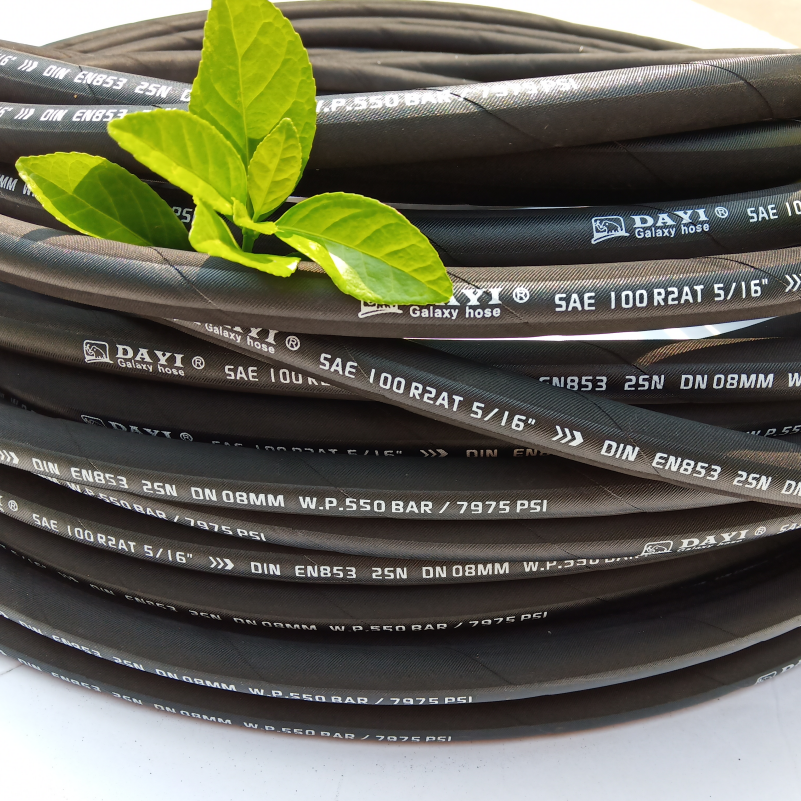
EN 857 2SC hydraulic hoses represent a critical component in fluid power systems across diverse industries, including construction, agriculture, mining, and manufacturing. These hoses are specifically designed for high-pressure applications, adhering to stringent European standards for safety and performance. The ‘2SC’ designation indicates a two-steel-wire spiral reinforcement construction, offering exceptional flexibility and resistance to bending and kinking. As OEM (Original Equipment Manufacturer) suppliers, manufacturers of these hoses play a pivotal role in ensuring the reliability and longevity of hydraulic machinery. Core performance characteristics include pressure rating, temperature range, fluid compatibility, and burst strength, all of which are rigorously tested and documented to meet EN 857 standards. The increasing demand for higher operating pressures and more durable hoses drives continuous innovation in materials science and manufacturing techniques within this sector. A significant industry pain point lies in maintaining consistent quality control amidst fluctuating raw material costs and evolving regulatory requirements. Precise adherence to EN 857 standards is not merely a compliance issue, but a fundamental requirement for minimizing system failures and ensuring workplace safety.
Material Science & Manufacturing
The construction of EN 857 2SC hydraulic hoses involves a multi-layered design utilizing specific material properties for each component. The inner tube is typically composed of a synthetic rubber compound, most commonly nitrile rubber (NBR) due to its excellent resistance to petroleum-based hydraulic fluids. Alternative materials like chloroprene rubber (CR) are used for applications requiring wider temperature ranges or resistance to specific chemicals. The reinforcement layer consists of two spirally wound high-tensile steel wires, providing the hose's strength and resistance to pressure. Steel wire quality (tensile strength, surface finish, and corrosion resistance) is paramount. The outer cover is usually a synthetic rubber blend, often incorporating abrasion and weather resistance properties. Common materials include CR, SBR (styrene-butadiene rubber), and polyurethane. Manufacturing begins with extrusion of the inner tube, followed by the application of the steel wire reinforcement via a winding machine. Precise tension control during winding is critical for maintaining dimensional accuracy and burst pressure. The outer cover is then extruded over the reinforcement layer. A critical parameter is vulcanization – the process of cross-linking the rubber compounds with sulfur or other curing agents – which dictates the hose's final physical and chemical properties. Temperature, pressure, and duration of vulcanization are closely monitored to achieve optimal performance. Post-production testing includes pressure testing to burst, impulse testing to simulate pressure fluctuations, and dimensional checks to ensure compliance with EN 857 specifications. Quality control during each manufacturing step is vital to prevent defects such as voids, inclusions, and uneven reinforcement winding.
Performance & Engineering
The performance of EN 857 2SC hydraulic hoses is governed by several key engineering principles. Force analysis centers on determining the hoop stress within the hose wall under internal pressure. Hoop stress (σ) is calculated using the formula σ = (P r) / t, where P is the internal pressure, r is the inner radius, and t is the wall thickness. The steel wire reinforcement significantly reduces hoop stress, enabling the hose to withstand high pressures. Environmental resistance is a critical consideration. Exposure to extreme temperatures, UV radiation, ozone, and corrosive fluids can degrade the rubber compounds, leading to premature failure. Material selection and the addition of protective additives are crucial for mitigating these effects. Compliance with EN 857 involves rigorous testing procedures, including hydrostatic pressure tests, impulse tests (simulating pressure pulsations), and temperature cycling tests. Burst pressure must exceed the working pressure by a specified safety factor. Fatigue life is also a key performance metric, determined by subjecting hoses to repeated pressure cycles. The functional implementation relies on proper hose assembly with compatible fittings. Incorrect fitting selection or improper crimping can create stress concentrations, leading to leaks or hose failure. The bending radius must also be considered to avoid kinking and reduce stress on the reinforcement wires. Proper hose routing and support are essential to prevent abrasion and damage from external forces. Furthermore, fluid compatibility must be verified to avoid swelling, softening, or degradation of the inner tube.
Technical Specifications
| Parameter | Unit | Specification (Typical) | Test Standard |
|---|---|---|---|
| Working Pressure | MPa | Up to 420 | EN 857 |
| Burst Pressure | MPa | ≥ 1260 | EN 857 |
| Temperature Range | °C | -40 to +100 | EN 857 |
| Reinforcement | - | 2 Steel Wire Spiral | EN 857 |
| Inner Tube Material | - | Nitrile Rubber (NBR) | EN 857 |
| Outer Cover Material | - | Chloroprene Rubber (CR) | EN 857 |
Failure Mode & Maintenance
Failure modes in EN 857 2SC hydraulic hoses are diverse and can stem from a variety of factors. Fatigue cracking, particularly in the steel wire reinforcement, is a common failure mode resulting from repeated pressure cycles and flexing. This often initiates at stress concentration points such as crimp connections or areas of damage. Delamination, the separation of layers (inner tube, reinforcement, outer cover), can occur due to poor bonding during manufacturing or exposure to aggressive chemicals. Degradation of the rubber compounds, caused by exposure to heat, UV radiation, ozone, or incompatible fluids, leads to loss of elasticity and eventual cracking. Oxidation, especially in the outer cover, causes hardening and cracking, reducing abrasion resistance. Pinholes in the inner tube can result from defects during extrusion or damage from internal corrosion. Improper hose routing, leading to excessive bending or abrasion, contributes to premature failure. Maintenance is crucial for extending hose life. Regular visual inspections should identify cracks, bulges, abrasions, and leaks. Pressure testing should be performed periodically to assess hose integrity. Hose assemblies should be replaced if any signs of damage are detected. Proper storage is also important; hoses should be stored in a cool, dry place away from direct sunlight and ozone sources. When replacing hoses, ensure compatibility with the hydraulic fluid and operating conditions. Use only fittings specifically designed for EN 857 2SC hoses and employ proper crimping techniques. Maintaining a detailed hose replacement log aids in tracking hose life and identifying potential systemic issues.
Industry FAQ
Q: What is the significance of the '2SC' designation in EN 857 hoses, and how does it impact performance?
A: The '2SC' designation indicates two steel wire spiral reinforcements. This construction provides exceptional flexibility and significantly increases the hose's resistance to bending, kinking, and pressure surges compared to hoses with fewer reinforcement layers. The spiral winding allows the hose to handle higher pressures and maintain its shape under dynamic loading conditions, contributing to a longer service life.
Q: What are the key differences between NBR and CR inner tube materials, and which is more suitable for specific applications?
A: Nitrile Rubber (NBR) offers excellent resistance to petroleum-based hydraulic fluids, making it the most common choice for general-purpose hydraulic systems. Chloroprene Rubber (CR) provides superior resistance to heat, ozone, and weathering, making it suitable for applications with higher operating temperatures or exposure to harsh environmental conditions. CR also exhibits better abrasion resistance, but generally has a lower resistance to certain hydraulic fluids compared to NBR.
Q: How does improper crimping affect the performance and safety of a hydraulic hose assembly?
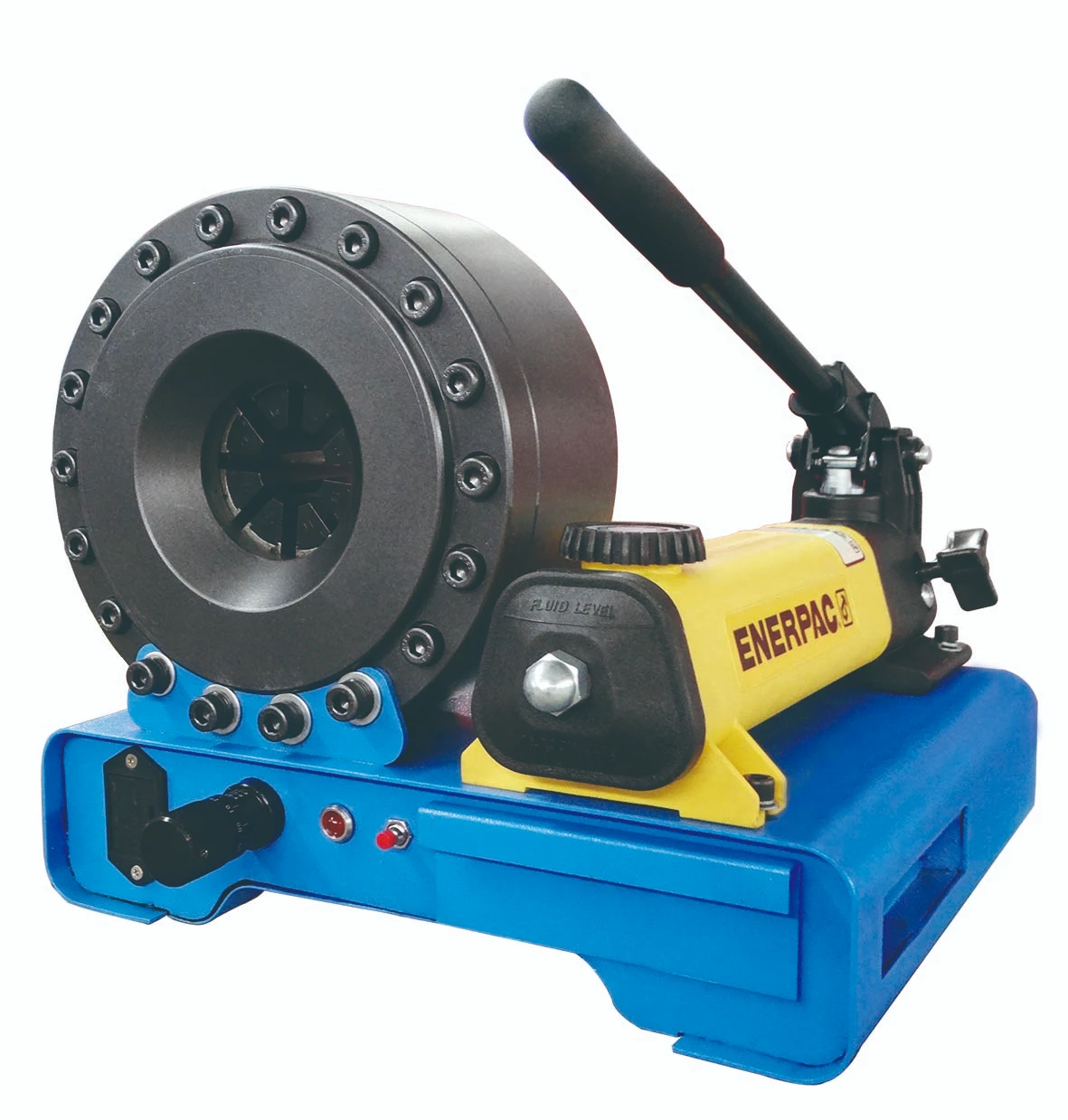
A: Improper crimping can create stress concentrations at the fitting interface, significantly reducing the assembly's burst pressure and fatigue life. Under-crimping can lead to leakage, while over-crimping can damage the hose reinforcement and reduce its flexibility. Using calibrated crimping equipment and following the fitting manufacturer's recommendations are crucial for ensuring a reliable and safe hose assembly.
Q: What steps can be taken to mitigate the risk of fatigue failure in high-pressure hydraulic hoses?
A: Minimizing pressure pulsations through the use of accumulators or pulsation dampeners is key. Ensuring proper hose routing to avoid sharp bends and abrasion reduces stress concentrations. Selecting hoses with appropriate pressure ratings and reinforcement materials is also critical. Regular visual inspections and pressure testing can identify early signs of fatigue and allow for proactive replacement.
Q: What is the role of impulse testing in EN 857 hose certification, and why is it important?
A: Impulse testing simulates the effects of pressure pulsations that occur in many hydraulic systems. This testing assesses the hose's ability to withstand repeated pressure surges without failure. It is important because pressure pulsations can significantly reduce hose life and can lead to catastrophic failure if the hose is not adequately designed to handle them. EN 857 requires stringent impulse testing to ensure hose durability and reliability in dynamic applications.
Conclusion
EN 857 2SC hydraulic hoses represent a cornerstone of reliable fluid power transmission. Their performance hinges on a complex interplay of material science, manufacturing precision, and adherence to rigorous international standards. Proper selection, installation, and maintenance are paramount to maximizing service life and ensuring operational safety. OEM manufacturers play a vital role in upholding these standards and providing consistently high-quality products.
The future of hydraulic hose technology will likely focus on developing materials with enhanced durability, chemical resistance, and temperature stability. Advancements in manufacturing processes, such as automated winding and non-destructive testing, will further improve quality control and reduce production costs. Addressing the increasing demand for environmentally friendly materials and sustainable manufacturing practices will also be a key priority for the industry.